The Manufacturer’s Guide to Sourcing Custom Stamped Nickel Busbars for Bulk Battery Assembly
 As global demand for electric vehicles (EVs) and energy storage systems (ESS) surges, lithium-ion battery manufacturers face a critical challenge: scaling up assembly without compromising on safety or electrical efficiency.
At the heart of every high-performance pack lies the connection system. While standard, pre-cut nickel strips work well for prototyping, high-volume automated manufacturing requires a highly precise, robust, and repeatable solution: Custom Stamped Nickel Busbars.
As a direct manufacturer of high-purity nickel products, we’ve built this concise guide to help procurement managers and battery engineers navigate custom sourcing for bulk assembly.
1. Why Stamped Busbars Outperform Standard Strips in Bulk Assembly
Transitioning to fully automated robotic assembly lines means standard nickel spools or hand-cut strips create massive production bottlenecks. Engineered to fit your pack’s exact geometry, custom stamped busbars offer clear advantages:
- Elimination of Human Error: Stamped busbars are single, continuous components that fit perfectly over dozens of cells simultaneously, removing the risk of misaligned strips during robotic placement.
- Optimized Current Distribution: Stamping allows for variable geometries—meaning you can make the busbar wider or thicker at high-current collection points, minimizing internal resistance and localized heat zones.
- Production Speed: Placing one custom stamped busbar across a 100-cell module takes seconds for a robotic arm, bypassing the tedious tracing and cutting of individual cell-to-cell strips.
2. Material Purity: The Non-Negotiable Factor
In lithium-ion manufacturing, material purity directly impacts pack lifespan and safety. For stamped busbars, always specify Grade N6 / N4 (UNS N02200 / UNS N02201) pure nickel, boasting a purity of 99.0% or higher.
The Danger of "Nickel-Plated Steel"
Low-cost vendors often offer nickel-plated steel disguised as pure nickel. While cheaper, steel has roughly four times the electrical resistance of pure nickel. Using it in high-drain packs causes massive voltage drops and excessive heat generation, potentially triggering thermal runaway.
Manufacturer's Checklist: Always demand a Mill Test Certificate (MTC). This document guarantees the exact chemical composition and confirms that iron, copper, and sulfur impurities are within safe, fractional percentages.
3. Key Design Considerations for Stamping Custom Busbars
To ensure your final product integrates flawlessly with automated welding lines, define these three critical parameters early:
A. Thickness and Tolerances
Battery-grade nickel typically ranges from 0.15mm to 0.50mm. In precision stamping, dimensional tolerances must be exceptionally tight—usually within ±0.05mm. Any variation alters electrical resistance, causing automated welding machines to either under-weld (loose connection) or over-weld (burning through the cell casing).
B. Relief Slots and Embossments
To achieve perfect welds, stamped busbars incorporate specialized geometric features:
- Current-Relief Slots: Tiny slits stamped between terminals that force the welding current to travel directly through the cell terminal rather than short-cutting across the top of the busbar.
- Projection Dimples: Small raised bumps that concentrate the energy of a spot welder into a precise micro-point, preventing heat from dissipating into the rest of the pack.
C. Edge Quality and Burrs
When nickel is stamped under high pressure, microscopic sharp edge defects (burrs) can form. Under vehicle vibrations, these burrs can pierce cell insulation sleeves and cause catastrophic short circuits. Ensure your manufacturer utilizes high-precision progressive dies and offers deburring/tumbling processes.
4. Bypassing Bottlenecks: Working Direct with the Manufacturer
Sourcing through third-party distributors leads to extended lead times and inflated costs. Partnering directly with a vertically integrated manufacturer who handles both the nickel strip rolling and the precision tool stamping offers key benefits:
- Custom Slitting & Sizing: Raw nickel coils are rolled to your exact proprietary thickness before hitting the stamping press, minimizing material waste and lowering per-piece costs.
- Tooling Agility: Battery designs evolve rapidly. Working directly with the factory tool-and-die team means design modifications can be executed quickly, reducing your time-to-market.
- Traceability Assurance: Maintain an unbroken chain of custody from the raw ingot to the finished stamped busbar packaged in your facility.
Elevate Your Battery Assembly Performance
The quality of your connections dictates the performance of your battery. Investing in custom stamped pure nickel busbars is the most effective way to lower internal resistance, optimize thermal management, and maximize automated production throughput.
Looking for a reliable manufacturing partner for your next battery project?
We manufacture high-purity (99.8%) nickel strips and offer full-service custom precision stamping tailored to your pack configurations. Contact our engineering team today to request a custom sample pack, review our MTCs, or get a quotation on your custom blueprint drawings.
Frequently Asked Questions
What should I specify when sourcing a custom stamped nickel busbar?
The outline or drawing, thickness, width, the bolt or weld pattern, the grade (Nickel 200 or Nickel 201, UNS N02200 or N02201), the quantity, and whether a material test certificate is required. Sending a drawing removes the guesswork that otherwise becomes a revised quotation later.
Why does a custom nickel busbar need a minimum quantity?
A stamped part needs tooling. If no existing die matches the outline, one has to be made, and that cost is fixed however many pieces are run, so the quantity that justifies new tooling is far larger than the quantity that justifies a run on an existing die. Ask whether your outline is already tooled before comparing quotations.
Can a nickel busbar be made to an existing pack design?
Yes. Pitch, hole pattern, width and thickness are cut to your drawing rather than to a catalogue size. Send the pack drawing or a sample part together with the quantity for a quotation.
Products covered in this article
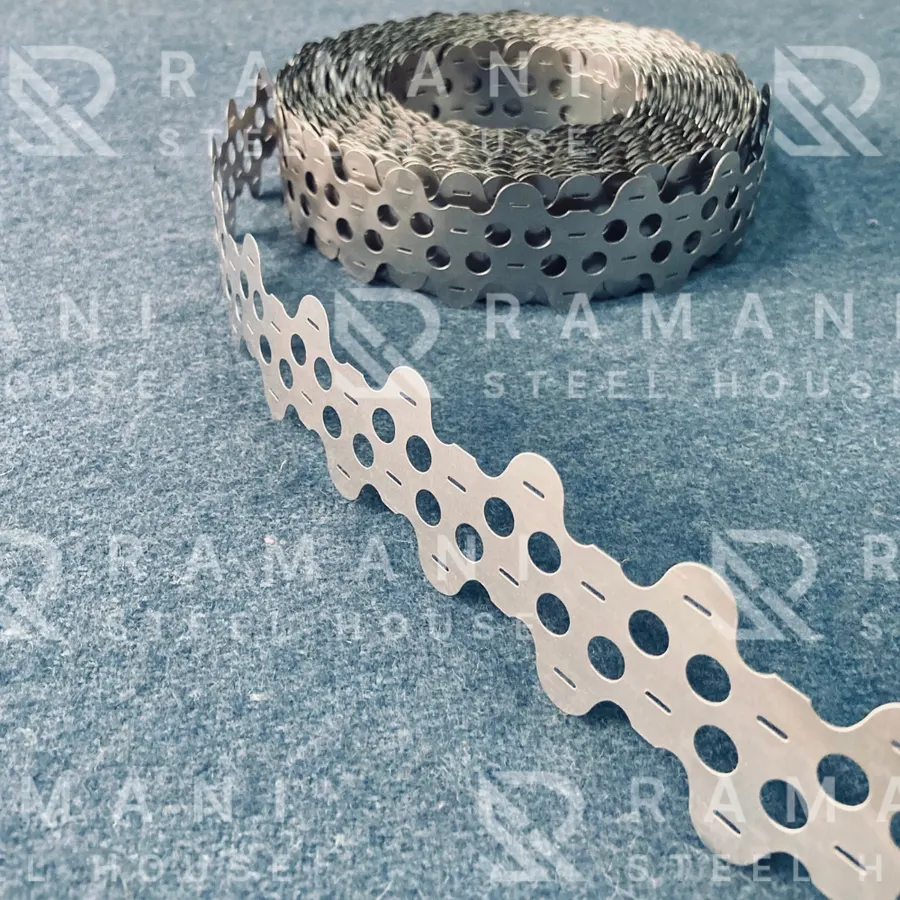 Ni Custom Cut Nickel Strip — 0.15 mm, cut to pattern — Thickness: 0.15mm
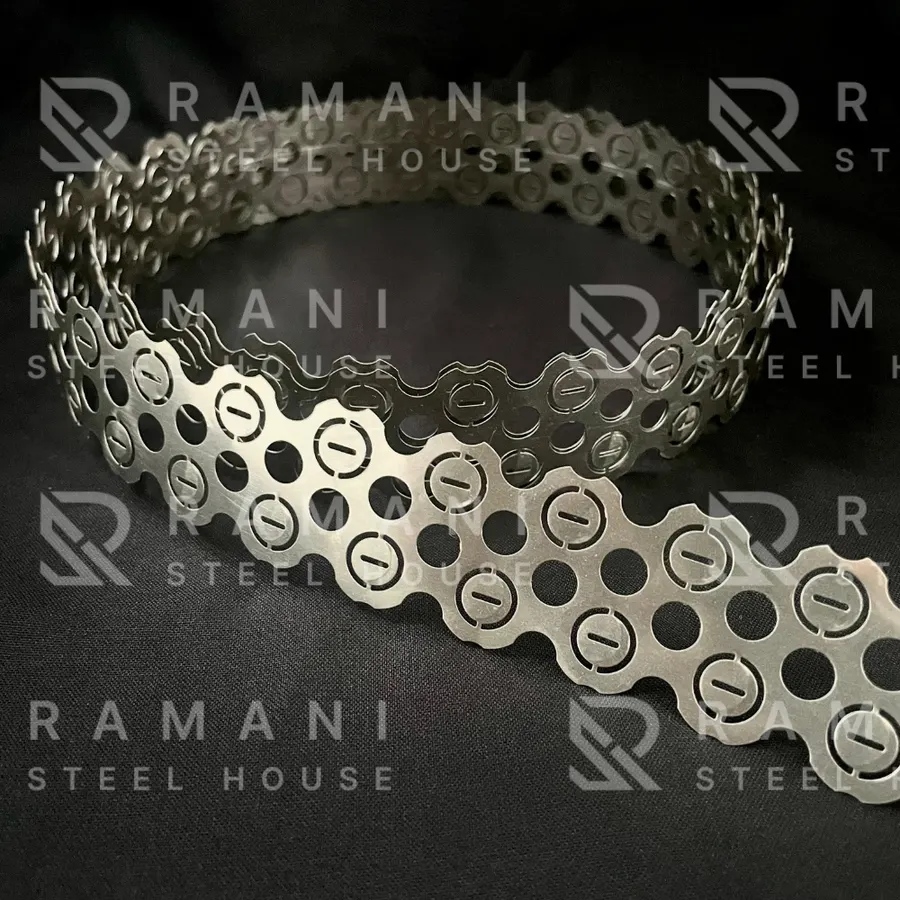 Ni Custom Nickel Strip — 0.20 mm x 40 mm, 34 mm CD — Thickness: 0.20mm, Width: 40mm, 34mm CD, Length: Strip
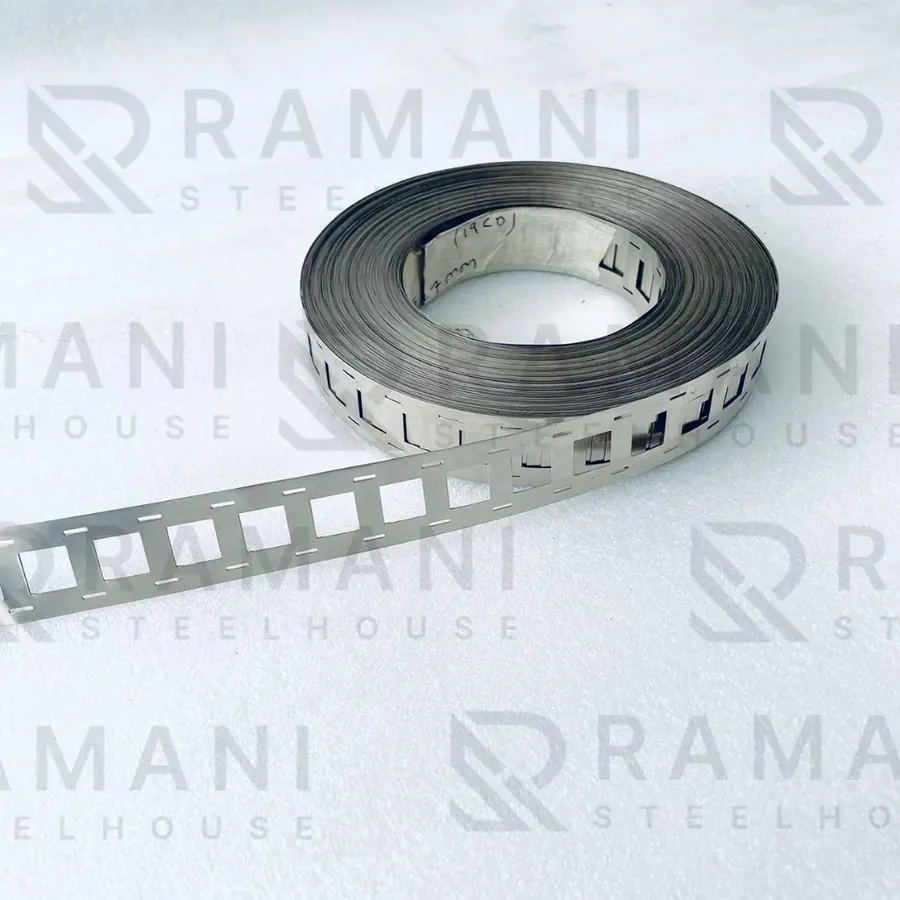 21700 2P H-type — Thickness: 0.20mm
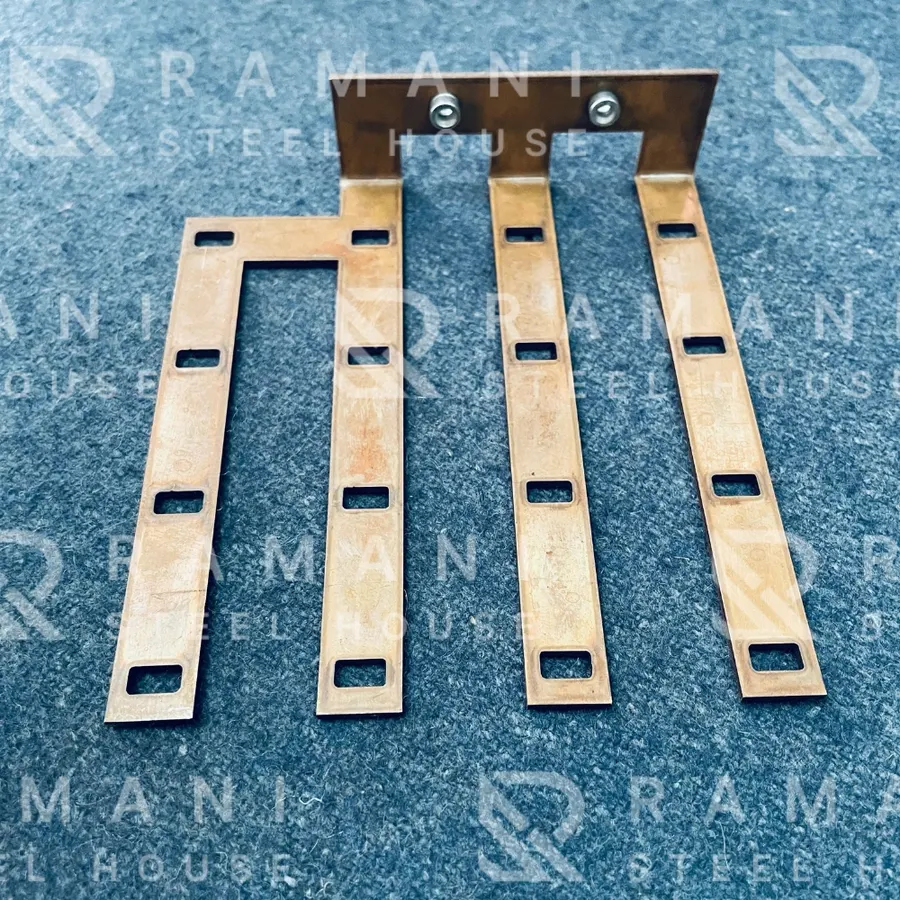 Copper Busbar
Related guides
- Nickel Strip Pricing Guide: What Determines Cost for Bulk Battery Pack Orders
- Export & Documentation Guide for Sourcing Nickel Strips from India
- Nickel Strip Current Carrying Capacity: An Engineer's Guide to Safe Battery Pack Design
- Nickel Strip Manufacturer for UK Battery Industry | Pure Nickel Strips for EV Battery Packs | Ramani Steel House
All nickel strip guides and technical articles · Nickel strip and busbar products