Export & Documentation Guide for Sourcing Nickel Strips from India

Sourcing nickel strip internationally adds a documentation layer beyond the material specification itself. Missing or incomplete paperwork is one of the most common causes of customs delays for battery component imports, so it's worth knowing what to expect — and what to ask for — before placing an order.
Material Test Certificate (MTC)
Every batch should ship with a Material Test Certificate showing purity, composition, and relevant mechanical properties specific to that production run. This is both a quality assurance document and, in many jurisdictions, part of the compliance paperwork customs or your own quality team will expect on receipt.
Certificate of Origin
A Certificate of Origin (COO) confirms the country of manufacture and can affect the import duty rate applied under trade agreements between India and the destination country. Confirm with your supplier whether they issue this as standard or only on request.
Commercial Invoice and Packing List
Standard export documentation includes a commercial invoice (value, terms of sale, buyer/seller details) and a detailed packing list (coil counts, weights, dimensions per package). Accuracy here matters for customs clearance speed on both ends of the shipment.
HS Code Classification
Nickel strip is classified under specific Harmonized System (HS) codes that determine duty rates in the destination country. An experienced exporter will provide the correct HS code on shipping documents; if you're unsure whether a quoted code is correct for your destination market, it's worth confirming with your own customs broker, since classification rules vary by country.
Compliance Certifications
Depending on your destination market and end application, you may need RoHS (restriction of hazardous substances) or REACH (EU chemical regulation) compliance documentation in addition to the material certificate. Confirm these requirements before ordering, not after the shipment has left the factory.
Why India as a Sourcing Base
India has an established base of ISO-certified metal manufacturing capacity, competitive labor and production costs relative to several other sourcing regions, and English-language business documentation as standard, which simplifies technical communication for international buyers. Established exporters with 50+ years of manufacturing history, like Ramani Steel House, typically have export documentation processes already refined across dozens of destination countries.
Working With an Experienced Exporter
Ramani Steel House exports Pure Nickel Strip, H Type Nickel Strip, and Nickel Busbar to 17+ countries with full material certification, Certificate of Origin, and compliance documentation prepared as standard. Contact our export team to confirm documentation requirements for your specific destination before placing an order.
Frequently Asked Questions
What documents should come with an international nickel strip order?
At minimum, expect a Material Test Certificate, commercial invoice, packing list, and Certificate of Origin. Depending on the destination market, RoHS or REACH compliance documentation may also be required.
Why does the Certificate of Origin matter for nickel strip imports?
A Certificate of Origin confirms the country of manufacture and can affect the import duty rate applied under trade agreements between India and the destination country.
How do I know the correct HS code for nickel strip imports?
An experienced exporter will provide the HS code on shipping documents, but since classification rules vary by destination country, it is worth confirming with your own customs broker if you are unsure a quoted code is correct for your market.
Does Ramani Steel House export nickel strip internationally?
Yes. Ramani Steel House exports Pure Nickel Strip, H Type Nickel Strip, and Nickel Busbar to 17+ countries with material certification, Certificate of Origin, and compliance documentation prepared as standard.
Products covered in this article
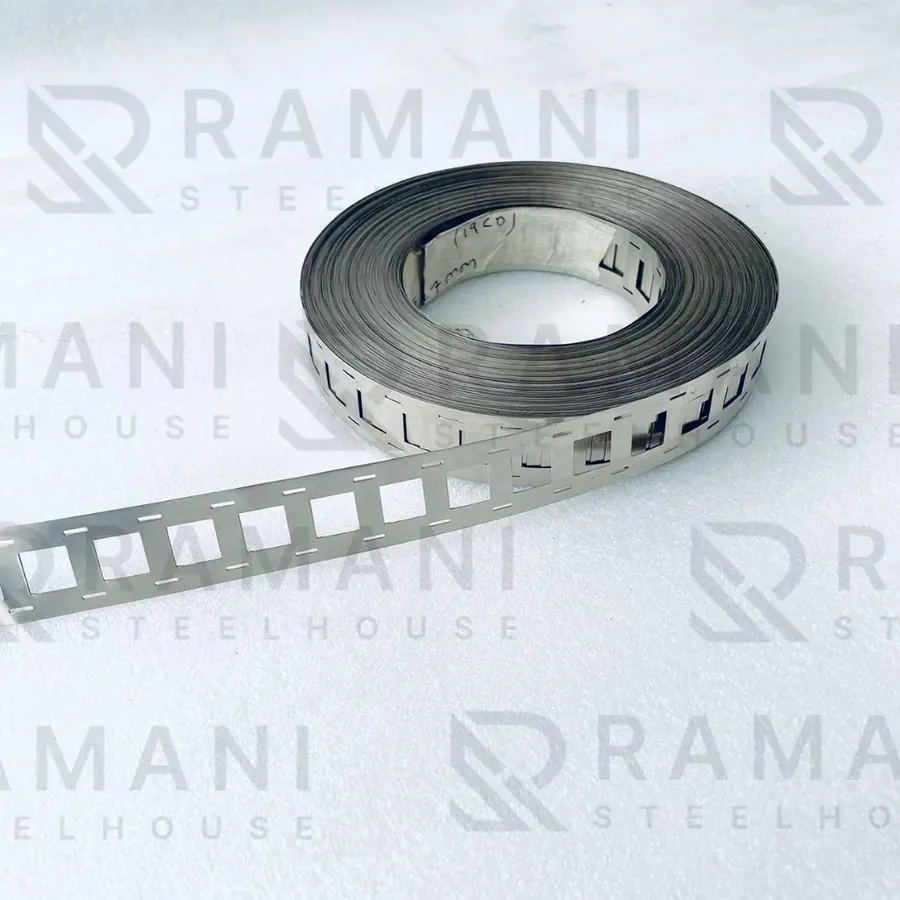 21700 2P H-type — Thickness: 0.20mm
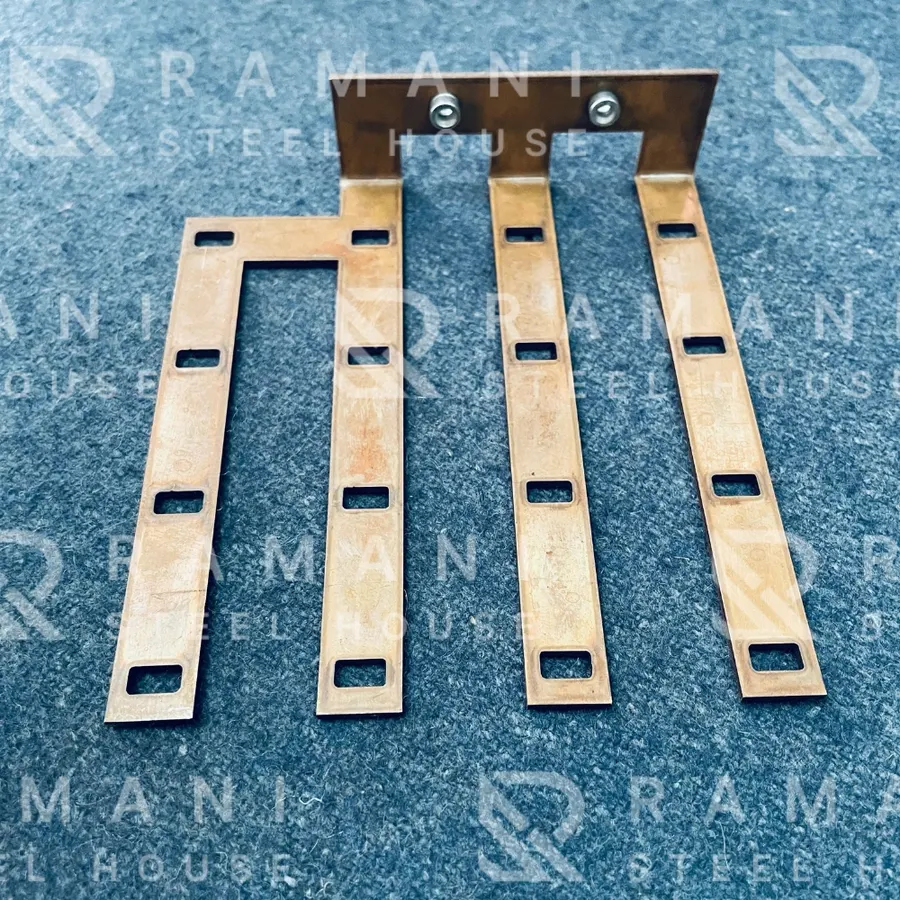 Copper Busbar
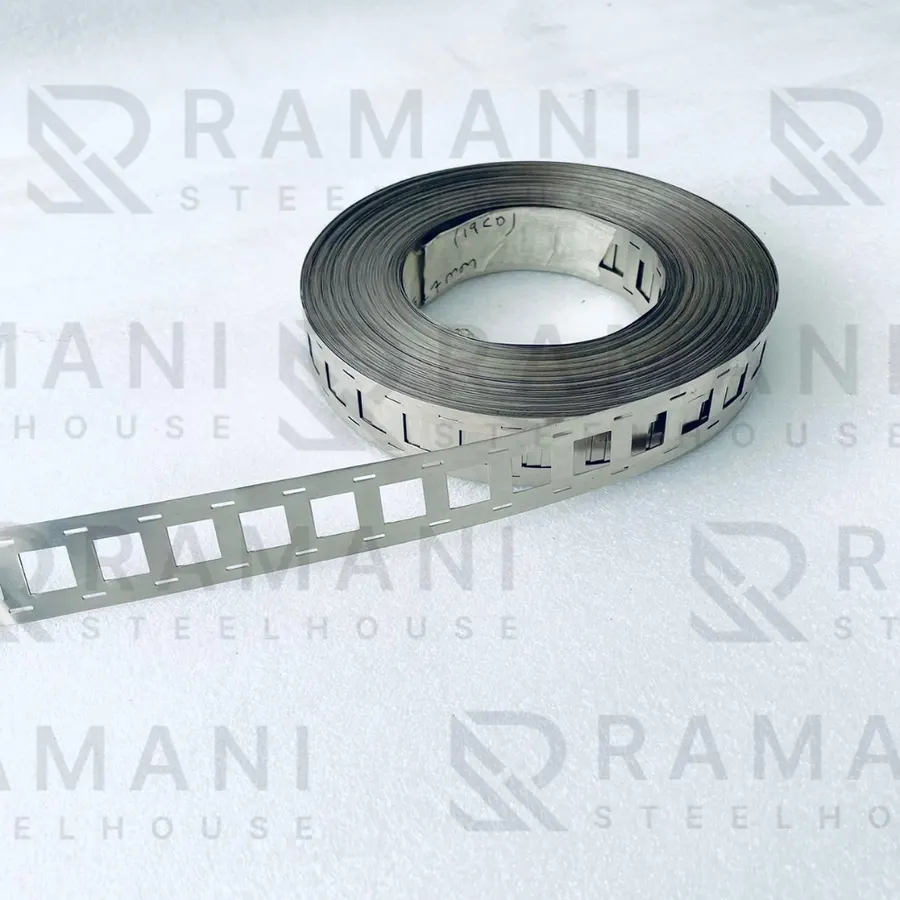 Ni 18650 2P H-Type Fuse Nickel Strip — Thickness: 0.15mm
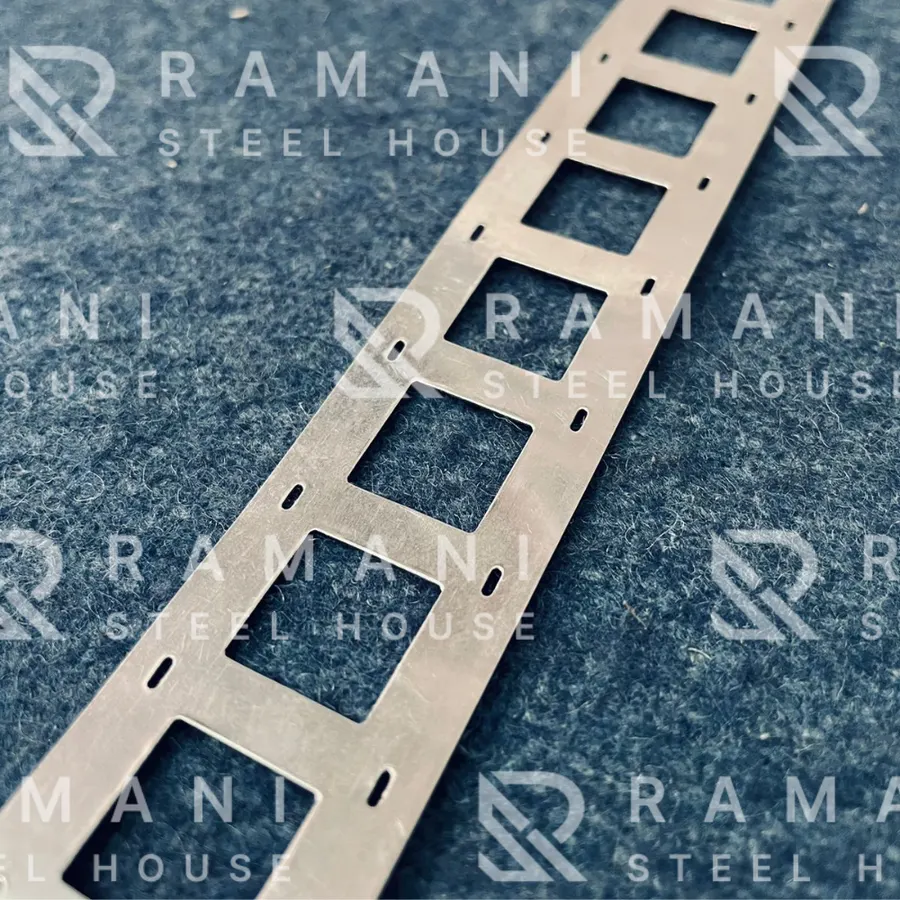 Ni 18650 2P H-Type Nickel Strip — Thickness: 0.15mm
Related guides
- The Manufacturer’s Guide to Sourcing Custom Stamped Nickel Busbars for Bulk Battery Assembly
- Nickel Strip Price per Kg in India: What Moves It in 2026
- Nickel Strip Storage and Handling Guide: Preventing Oxidation Before Welding
- Nickel Strip Pricing Guide: What Determines Cost for Bulk Battery Pack Orders
All nickel strip guides and technical articles · Nickel strip and busbar products