Nickel Strip Pricing Guide: What Determines Cost for Bulk Battery Pack Orders
.png?token=eyJraWQiOiJzdG9yYWdlLXVybC1zaWduaW5nLWtleV84ODdiMWJmNC1hOWFhLTQ2N2QtYTAwYy0zYTRkZTVjOTFlNWIiLCJhbGciOiJIUzI1NiJ9.eyJ1cmwiOiJJbWFnZXMvSC1UeXBlIEJ1c2JhciAoNSkucG5nIiwic2NvcGUiOiJkb3dubG9hZCIsImlhdCI6MTc4MzQyMTcwOSwiZXhwIjozMDQ0ODYxNzA5fQ.LxqV426w_NdioI9p7Lo8hZDArGupwFmawMebwoNAtxE)
Ask five nickel strip suppliers for a quote on the same spec and you will often get five different numbers — not because someone is padding margin, but because nickel strip pricing is built from several independent cost factors that most buyers never see broken out. Understanding them makes it easier to compare quotes apples-to-apples and to spot where your own specification is quietly adding cost.
Base Material: Nickel Purity and LME Nickel Price
The single largest input cost is the nickel itself. Pricing tracks the London Metal Exchange (LME) nickel price, which moves daily, so any quote is only valid for a limited window — this is standard across the industry, not supplier-specific. On top of the LME baseline, purity grade matters: 99.0%+ pure nickel strip (UNS N02200/N02201) costs more per kilogram than nickel-plated steel strip, because you are paying for solid nickel throughout the cross-section rather than a thin plated layer over a cheaper steel core.
.jpg?token=eyJraWQiOiJzdG9yYWdlLXVybC1zaWduaW5nLWtleV84ODdiMWJmNC1hOWFhLTQ2N2QtYTAwYy0zYTRkZTVjOTFlNWIiLCJhbGciOiJIUzI1NiJ9.eyJ1cmwiOiJJbWFnZXMvUHVyZSBOaWNrZWwgU3RyaXBzICgzKS5qcGciLCJzY29wZSI6ImRvd25sb2FkIiwiaWF0IjoxNzgzNDIzMTMzLCJleHAiOjMwNDQ4NjMxMzN9.CLaXvSxMQnTFMdMT8dckfc5W0toM5A7ggpbS3jO9QL0)
If your application does not need pure nickel's full corrosion resistance and conductivity, nickel-plated steel strip is a legitimate way to reduce material cost — see our pure nickel vs nickel-plated steel comparison for where that trade-off makes sense.
From LME Nickel Price Per Kg to Nickel Strip Price Per Kg
Buyers often look up the nickel price per kg on the LME or MCX and expect a nickel strip quote to match it. It will not, and the gap is not margin padding. The exchange price is for primary nickel metal, such as cathode or briquette, not finished strip. A nickel strip price per kg starts from that metal price and adds every step needed to turn it into a battery interconnect:
- Rolling to gauge. Taking nickel down to 0.10–0.30mm strip takes repeated cold rolling and annealing, and yield losses rise as the gauge gets thinner.
- Slitting to width and, for H-type, fuse-type or zig-zag strip, stamping, each a setup-dominated operation priced per run.
- Scrap from patterning. A honeycomb or fuse pattern punches out metal that was still bought at the exchange price.
- Testing and documentation, such as a material test certificate.
So the LME nickel price tells you which direction a quote will move, not what it will be. When the exchange price rises sharply, expect strip quotes issued afterwards to follow; a quote already issued is usually held only for its stated validity window. For a like-for-like comparison, ask each supplier for a price per kg against the same thickness, width, pattern and quantity, issued on the same date.
Thickness and Width
Cost scales roughly with the weight of material used, so thicker and wider strip costs more per running metre, even at the same purity. Thickness also affects processing cost independently of raw material: very thin strip (under 0.10mm) is harder to slit and handle without wrinkling or edge damage, which can add a processing premium at the extreme thin end. See our nickel strip thickness guide if you are still narrowing down a gauge.
Pattern Complexity: Plain, H-Type, Fuse-Type, Zig-Zag
Plain, unpatterned strip is the cheapest to produce — it is just slit coil. Patterned strip costs more because it adds a stamping or die-cutting step: H-type strip for multi-cell (2P/3P/4P) interconnects, fuse-type honeycomb strip with a defined fuse-link neck, and zig-zag patterns all require tooling and an additional production pass.

Custom patterns — a non-standard fuse-link width, an unusual cell pitch, or a pattern outside a supplier's existing tool library — usually mean a one-time tooling charge if no existing die matches your spec. Ask your supplier whether your pattern uses a standard die or requires new tooling before you compare quotes.
Order Volume and MOQ
Per-unit price drops with volume because slitting, stamping, and QA setup costs are largely fixed per production run — spreading them over more kilograms lowers the per-kg cost. Suppliers with a low minimum order quantity (MOQ) can quote smaller runs without a steep small-batch penalty, which matters if you are still prototyping or running a low-volume production phase. Share your target volume when requesting a quote so pricing reflects your actual order size, not a worst-case assumption.
Certification and Documentation
Batch-wise Material Test Certificates (MTC), traceability documentation, and compliance paperwork such as RoHS and REACH take QA staff time to prepare and are sometimes priced separately from the base material. If your industry requires full traceability — EV and industrial battery buyers usually do — factor this into your comparison; a quote without documentation costs is not a fair comparison to one that includes it.
Freight, Currency, and Import Duty
For international buyers, landed cost includes freight (air vs sea), currency movement between quote and payment, and import duty in the destination country. A nickel strip manufacturer that regularly exports — Ramani Steel House ships to 17+ countries — will typically quote more accurately on these line items than one handling an export order for the first time.
How to Get an Accurate Quote
- Specify purity grade (pure nickel vs plated steel) explicitly — do not assume.
- Give exact thickness, width, and pattern, or share a drawing or reference part.
- State your target order volume and delivery timeline.
- Ask whether the quote includes MTC and compliance documentation.
- For export orders, ask whether the price is FOB, CIF, or landed.
Our sales team quotes against your exact specification rather than a generic price list — submit your requirement and we will break the quote down by these factors so you can see exactly what is driving the number.
Frequently Asked Questions
What is the average price of nickel strip?
Nickel strip price depends on purity (pure nickel vs nickel-plated steel), thickness, width, pattern (plain vs H-type vs fuse-type), and order volume, so there is no single "average" figure — get a quote against your exact specification for an accurate number.
Why does nickel strip pricing change day to day?
Nickel strip pricing tracks the London Metal Exchange (LME) nickel price, which moves daily, so quotes are typically valid for a limited window rather than fixed indefinitely.
Is patterned nickel strip more expensive than plain strip?
Yes. H-type, fuse-type, and zig-zag patterns require an additional stamping or die-cutting step beyond plain slitting, which adds processing cost compared with unpatterned strip.
Does order volume affect nickel strip price per kg?
Yes. Slitting, stamping, and QA setup costs are largely fixed per production run, so spreading them over a larger order volume lowers the per-kilogram price.
Why is nickel strip price per kg higher than the LME nickel price?
The LME nickel price is for primary nickel metal, not finished strip. Nickel strip price per kg adds rolling to thin gauge, annealing, slitting, stamping for H-type or fuse patterns, the scrap those patterns create, and testing and documentation. The exchange price sets the direction of a strip quote, not its level.
Does nickel strip price follow the MCX nickel price in India?
Indirectly. MCX nickel futures track the same global nickel market as the LME, so a sustained move on either shows up in strip quotes over time. A strip quote is generally issued against the metal cost when it is prepared and held for a stated validity window, rather than re-priced every day.
Products covered in this article
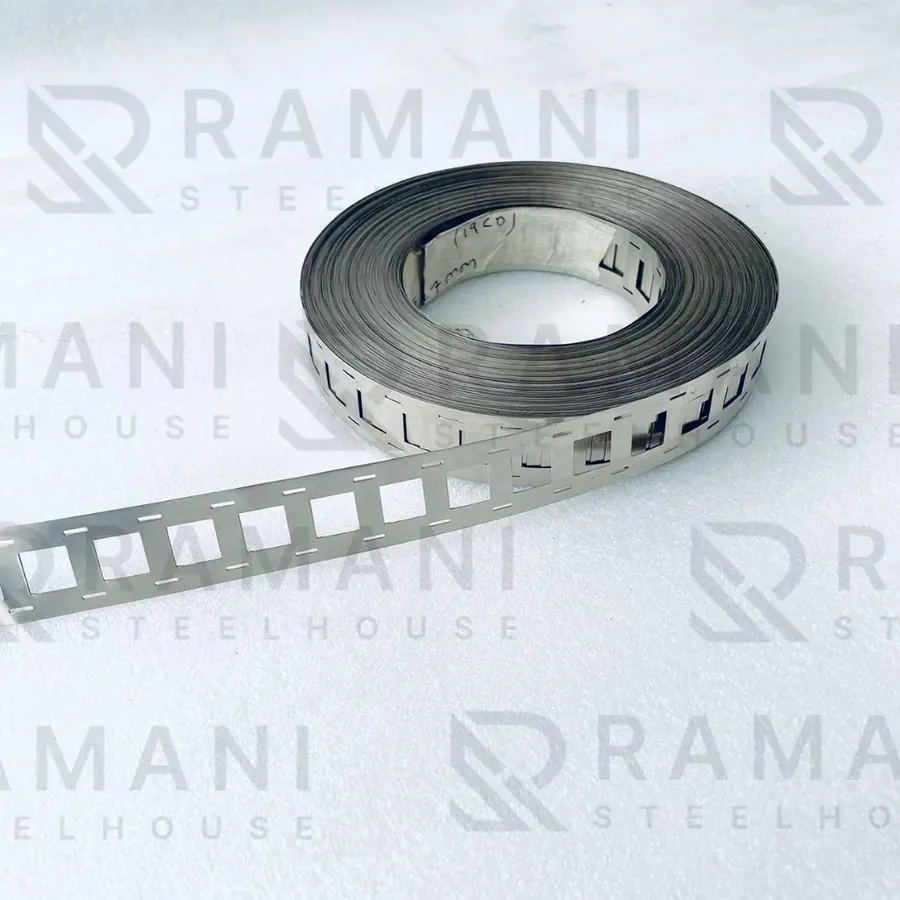 21700 2P H-type — Thickness: 0.20mm
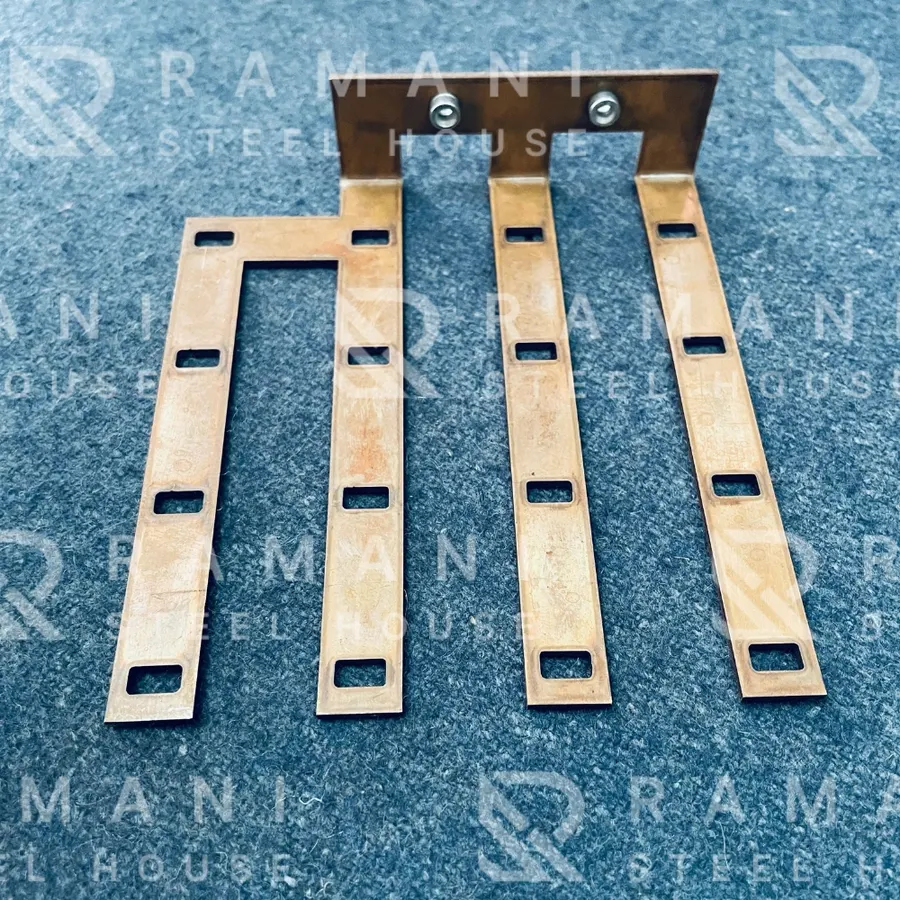 Copper Busbar
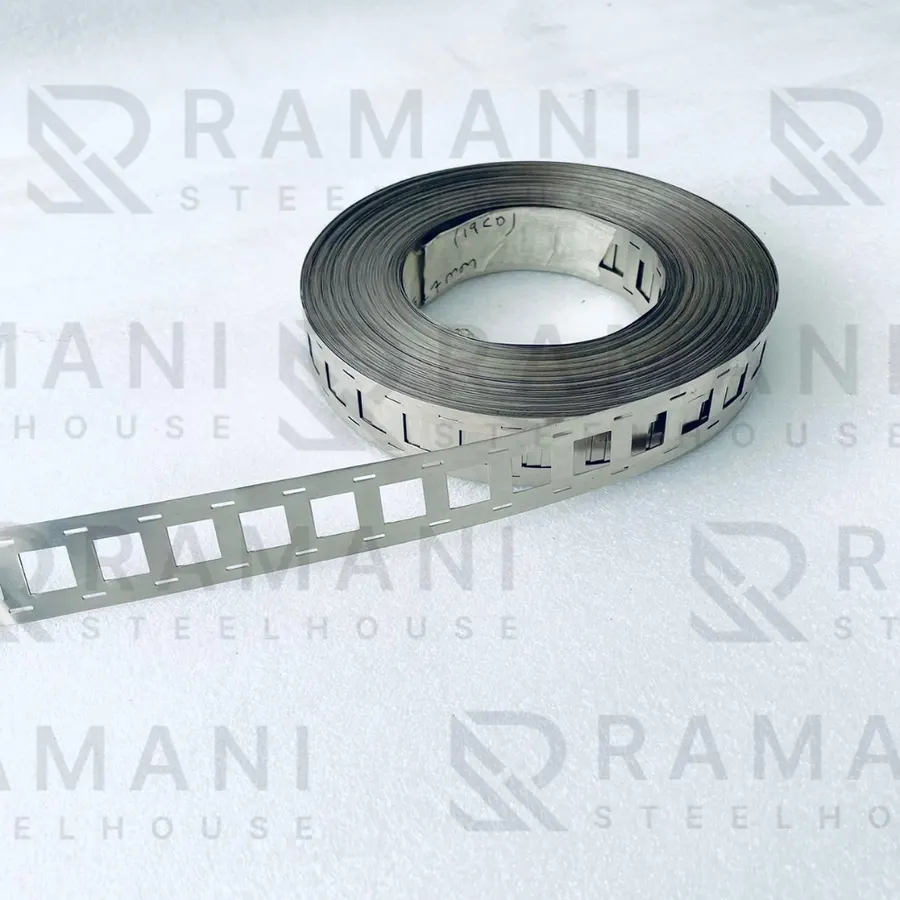 Ni 18650 2P H-Type Fuse Nickel Strip — Thickness: 0.15mm
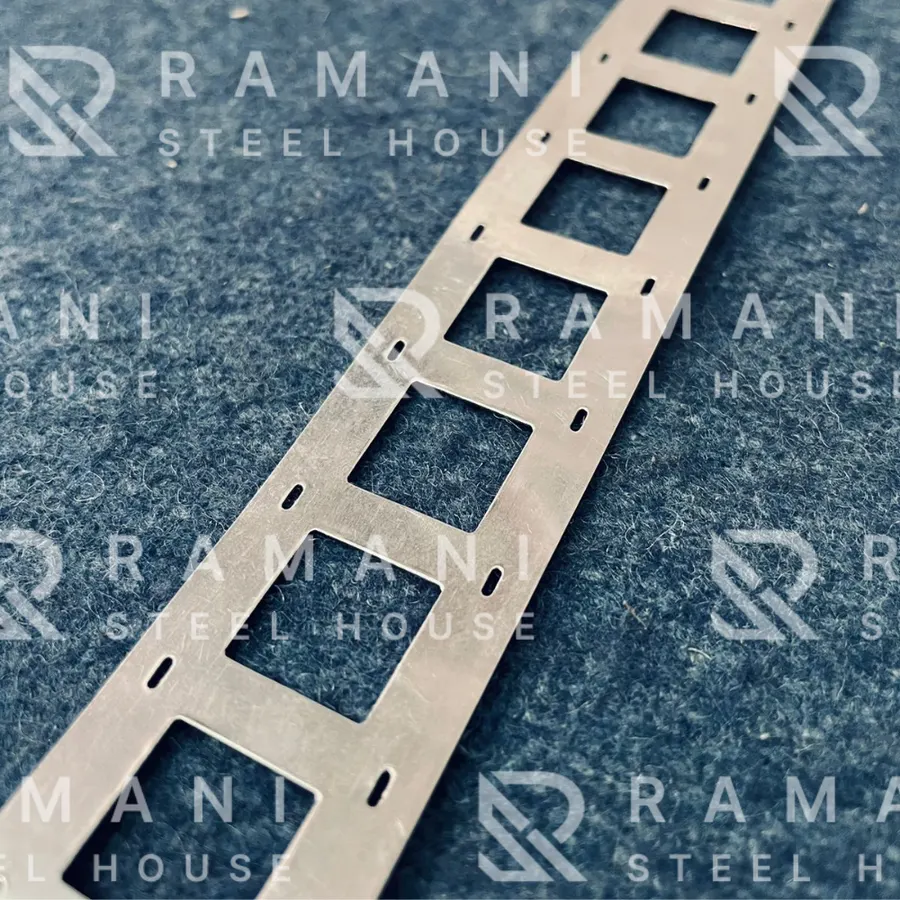 Ni 18650 2P H-Type Nickel Strip — Thickness: 0.15mm
Related guides
- Nickel Strip Current Carrying Capacity: An Engineer's Guide to Safe Battery Pack Design
- The Manufacturer’s Guide to Sourcing Custom Stamped Nickel Busbars for Bulk Battery Assembly
- 5 Nickel Strip Buying Mistakes That Cost Battery Pack Makers Money
- Zig-Zag vs H-Type Nickel Strip: Choosing the Right Interconnect Pattern for Your Battery Pack
All nickel strip guides and technical articles · Nickel strip and busbar products