Battery Spot Welding Tips for Nickel Strip: Getting a Clean, Low-Resistance Weld Every Time
.jpg?token=eyJraWQiOiJzdG9yYWdlLXVybC1zaWduaW5nLWtleV84ODdiMWJmNC1hOWFhLTQ2N2QtYTAwYy0zYTRkZTVjOTFlNWIiLCJhbGciOiJIUzI1NiJ9.eyJ1cmwiOiJJbWFnZXMvMTg2NTAgMlAgRE9VQkxFIEZVU0UgVFlQRSAoNikuanBnIiwic2NvcGUiOiJkb3dubG9hZCIsImlhdCI6MTc4MzA3MDQ3MCwiZXhwIjozMDQ0NTEwNDcwfQ.Yoxsc9x_cOgBLUx2bHGfRlyUJ6L9WHeNE4LPNdUsXI8)
A battery pack is only as reliable as its weakest tab weld. Cell chemistry and BMS design get most of the engineering attention, but a poorly formed nickel strip weld is one of the most common causes of intermittent connections, elevated internal resistance, and field failures in 18650, 21700, and 32650 pack assembly. Most of that risk is controllable before the weld ever happens — in how the strip is specified and prepared.
Why Nickel Strip Is Used for Spot Welding in the First Place
Nickel is the standard interconnect material for cylindrical and prismatic cell tabs because it strikes a balance that copper and aluminum can't: it welds cleanly to steel battery cans using resistance spot welding, it has enough electrical resistance to form a stable weld nugget without excessive splatter, and pure nickel (grade 200, UNS N02200, ASTM B162) resists corrosion over the service life of the pack. Nickel-plated steel is sometimes substituted to cut cost, but the plating adds contact resistance at the weld interface and is more prone to flaking under thermal cycling — a trade-off worth understanding before specifying it for anything beyond low-duty consumer packs.
Thickness Is the First Weld Variable, Not the Last
Weld settings get tuned per project, but the strip thickness you choose determines the achievable process window before any welder is touched. Thinner strip (0.10–0.15mm) welds at lower current and is common on single-cell tab connections and H-type interconnects for 2P/3P/4P configurations, where the strip itself carries less continuous current and a lighter weld is appropriate. Heavier strip (0.20mm and up, ranging to 1.0mm on our plain nickel strip line) is used where the strip also functions as a busbar carrying pack-level current, and needs proportionally higher weld energy to fuse through the added mass without under-welding the joint. Choosing strip thickness based only on ampacity and ignoring weldability — or vice versa — is the most common design mistake we see from teams sourcing strip for the first time.
Surface Condition Matters More Than Most Welding Guides Admit
Resistance welding depends on consistent contact resistance at the interface. Oils, oxidation, or handling residue on either the strip or the cell can change contact resistance unpredictably from weld to weld, which is why welds that look identical on a bench can perform differently in the field. Strip should be stored and handled with clean gloves, kept away from oil-based lubricants on the production line, and used within a reasonable window of unpacking rather than left exposed to shop air for weeks. If your process has inconsistent weld results despite stable welder settings, surface contamination is the first thing to rule out before adjusting current or force.
Electrode Force and Geometry
Electrode force needs to be high enough to hold the strip flat against the cell can — any air gap under the strip increases contact resistance and produces an inconsistent, often cold, weld. Too much force, on the other hand, thins the strip locally and can crack it at the nugget edge, especially on thinner gauges. Electrode tip geometry should match the strip: flat or slightly domed tips are typical for nickel strip tab welding, and tip wear should be checked regularly since a worn, pitted electrode changes the effective contact area and therefore the current density delivered to the joint.
What a Good Weld Looks Like — and What a Bad One Looks Like
A properly formed nugget has a slight, even indentation on both the strip and cell side, with no visible splatter, scorch marks, or strip discoloration beyond a light heat tint immediately around the nugget. A weld that has caused visible discoloration spreading well beyond the nugget, or has actually burned through or thinned the strip at the joint, indicates excess heat — usually too much current, too much weld time, or too little electrode force. A weld that lifts or peels easily by hand, or shows no visible indentation at all, indicates too little heat or poor contact and should be treated as a reject, not reworked in place.
Pull Testing Is Still the Most Reliable QC Check
Visual inspection catches obvious defects, but pull testing — physically testing weld strength against a specification, either destructively on sample welds or with a calibrated pull gauge — remains the most reliable way to confirm weld integrity at the start of a production run and after any change to strip lot, welder settings, or electrode condition. Teams running high-volume pack assembly should treat a pull test as a standard part of first-article inspection whenever incoming nickel strip changes lot or thickness, not just as a one-time qualification step.
Sourcing Strip for Weldability, Not Just Spec Sheets
The astm/UNS designation on a datasheet tells you the alloy is nominally correct, but consistent weldability across a production run depends on lot-to-lot consistency in thickness, temper, and surface finish — things a one-line spec doesn't fully capture. This is why pack manufacturers running high-volume welding lines typically qualify a supplier once and then stay with that supplier's mill lot rather than shopping strip lot to lot; a small material change can shift the weld process window enough to require re-tuning.
Frequently Asked Questions
What thickness of nickel strip is best for spot welding 18650 cells?
For single-cell tab connections on 18650/21700 packs, 0.10–0.15mm pure nickel strip is the common range, welding cleanly at lower current. Thicker strip (0.20mm+) is used when the strip also carries pack-level current as a busbar, and needs proportionally higher weld energy.
Does nickel-plated steel strip weld the same way as pure nickel strip?
No. Nickel-plated steel has additional contact resistance at the plating interface and the plating is more prone to flaking under thermal and mechanical cycling, which can make weld results less consistent over the pack's service life compared to pure nickel (ASTM B162, UNS N02200).
Why do identical welder settings sometimes produce inconsistent welds?
Surface contamination — oils, oxidation, or handling residue on the strip or cell — is the most common cause of inconsistent welds when settings haven't changed. Electrode tip wear is the second most common cause, since a worn tip changes the effective contact area and current density.
How can I tell if a nickel strip weld is too hot or too cold?
A properly formed weld shows a slight, even indentation with no splatter or discoloration beyond a light heat tint at the nugget. Visible scorching, discoloration spreading beyond the nugget, or strip thinning indicates excess heat. A weld with no visible indentation, or one that peels off easily by hand, indicates insufficient heat or poor electrode contact.
What's the most reliable way to QC nickel strip welds in production?
Pull testing — measuring weld strength against a specification with a calibrated pull gauge or destructive sampling — is more reliable than visual inspection alone, and should be repeated whenever the nickel strip lot, welder settings, or electrode condition changes.
Products covered in this article
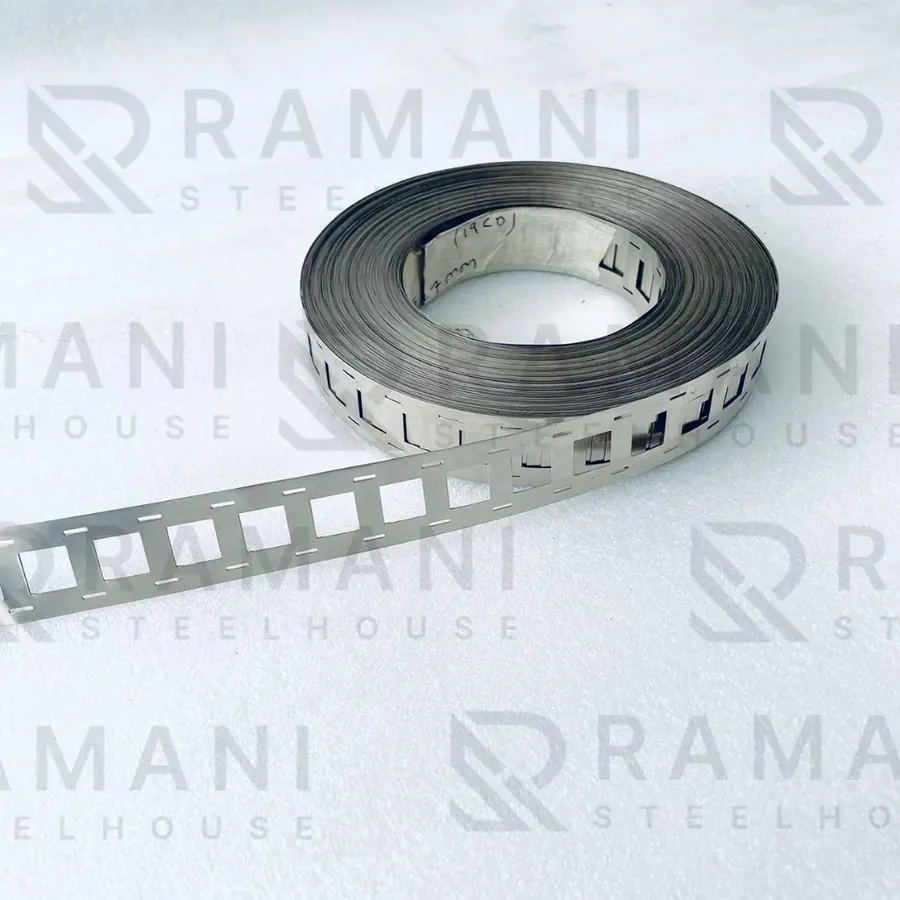 21700 2P H-type — Thickness: 0.20mm
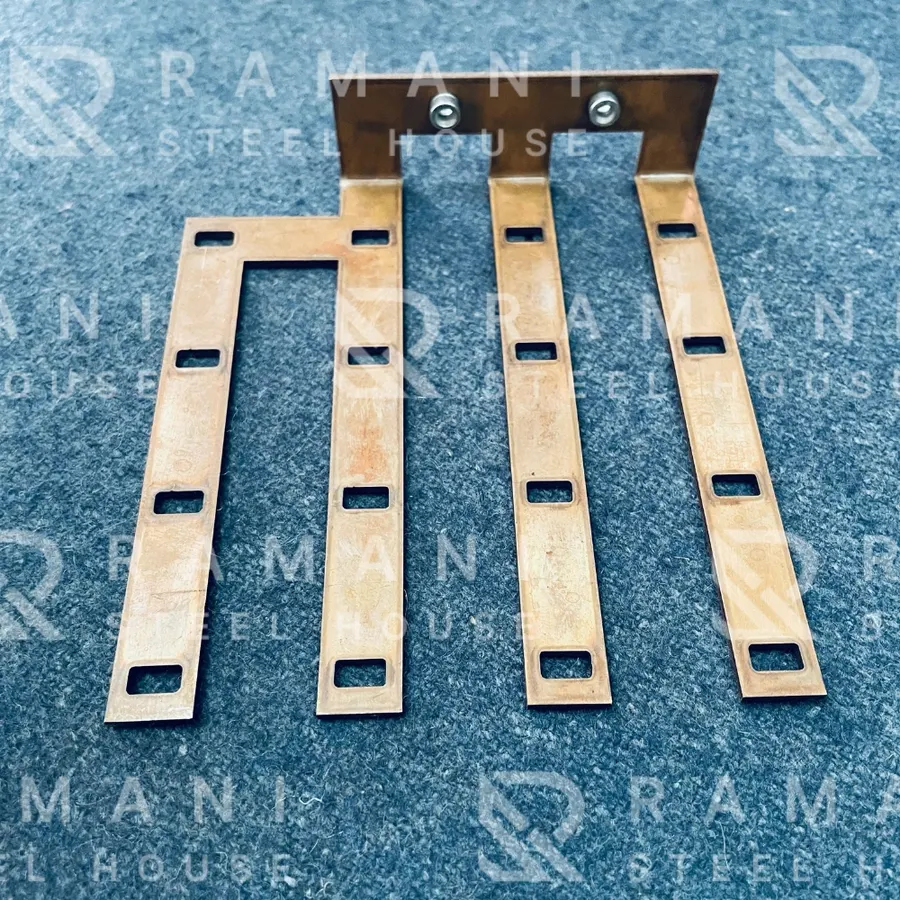 Copper Busbar
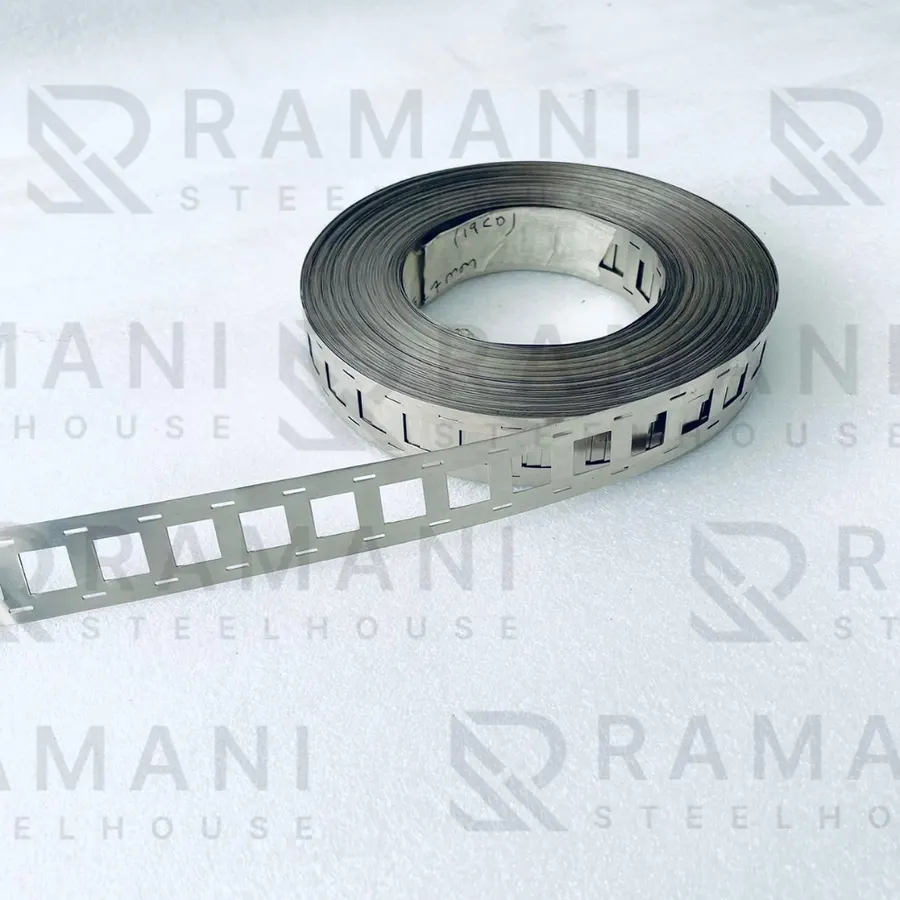 Ni 18650 2P H-Type Fuse Nickel Strip — Thickness: 0.15mm
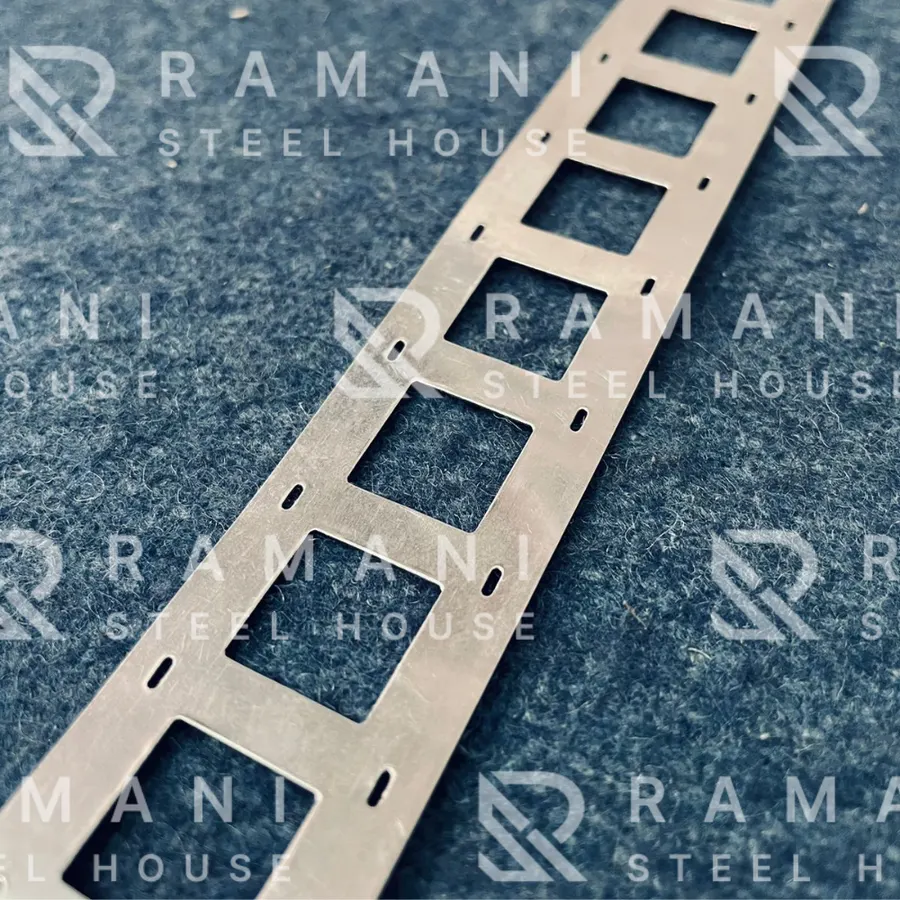 Ni 18650 2P H-Type Nickel Strip — Thickness: 0.15mm
Related guides
- Nickel Strip Storage and Handling Guide: Preventing Oxidation Before Welding
- Nickel Strip Pricing Guide: What Determines Cost for Bulk Battery Pack Orders
- Zig-Zag vs H-Type Nickel Strip: Choosing the Right Interconnect Pattern for Your Battery Pack
- Nickel 200 vs Nickel 201: Which Alloy Is Right for Battery-Grade Nickel Strip?
All nickel strip guides and technical articles · Nickel strip and busbar products