Nickel Strip Storage and Handling Guide: Preventing Oxidation Before Welding
.jpg?token=eyJraWQiOiJzdG9yYWdlLXVybC1zaWduaW5nLWtleV84ODdiMWJmNC1hOWFhLTQ2N2QtYTAwYy0zYTRkZTVjOTFlNWIiLCJhbGciOiJIUzI1NiJ9.eyJ1cmwiOiJJbWFnZXMvMTg2NTAgMlAgIE5PTiBGVVNFIFRZUEUgKDEyKS5qcGciLCJzY29wZSI6ImRvd25sb2FkIiwiaWF0IjoxNzgzMDcwMzUwLCJleHAiOjMwNDQ1MTAzNTB9.fpYZYVKo8Pa9iwgvR9vRluGljYRY_J_en5RXRbPed6k)
A batch of nickel strip that welds perfectly on delivery day can produce inconsistent, high-resistance welds three months later — and the strip usually still measures fine on paper the whole time. The difference is almost always storage and handling, not the material itself. It is also one of the more common, under-diagnosed causes of "random" weld failures that do not correlate with any single supplier batch, a pattern we touched on in our common nickel strip defects guide.
Why Storage Conditions Affect Weld Quality
Spot welding depends on consistent contact resistance at the strip surface. Even a thin, invisible layer of surface oxidation or contamination changes that resistance, which changes how much heat is generated at the weld point — enough to shift a batch from consistently strong welds to intermittent, weak ones, without any change to the strip's bulk thickness or purity spec.
Humidity and Oxidation
Nickel resists corrosion far better than bare steel, but pure nickel strip — and especially nickel-plated steel strip — is not immune to surface oxidation in humid or coastal storage environments, particularly over extended periods. Store coil in a dry, climate-controlled area, sealed in its original moisture-barrier packaging until it is staged for production, rather than left open on a shop floor.
.png?token=eyJraWQiOiJzdG9yYWdlLXVybC1zaWduaW5nLWtleV84ODdiMWJmNC1hOWFhLTQ2N2QtYTAwYy0zYTRkZTVjOTFlNWIiLCJhbGciOiJIUzI1NiJ9.eyJ1cmwiOiJJbWFnZXMvTmkgMTg2NTAgMlAgMTkuMG1tIENEIFppZyBaYWcgTm8gRnVzZSBUeXBlIFdhdGVybWFyayAoMykucG5nIiwic2NvcGUiOiJkb3dubG9hZCIsImlhdCI6MTc4Mjk4Mjc0NCwiZXhwIjozMDQ0NDIyNzQ0fQ.autp4UOmLLwgzQlviUcOI3NnRZy1NLdCLYHV8JW20IM)
Handling: Avoid Surface Contamination
Bare-hand handling transfers skin oils onto the strip surface, and this is a more common contamination source than most floor staff expect. Use clean gloves when handling coil or cut strip, and keep it away from cutting fluids, lubricants, and other production-floor chemicals that can leave a residue film even from brief contact.
FIFO: First In, First Out
Even under good storage conditions, older stock has had more time to develop surface changes than a fresh delivery. Rotate stock on a first-in, first-out basis rather than pulling whichever coil is most accessible, so no batch sits in storage indefinitely while newer stock is used first.
Shelf Life: How Long Can You Store Nickel Strip?
There is no universal expiry date — shelf life depends heavily on your storage environment. In a dry, sealed, climate-controlled store, pure nickel strip can typically be held for well over a year without meaningful surface change. In humid or poorly controlled conditions, oxidation risk rises much sooner. If you are holding safety stock longer than a few months, periodic sample testing — a weld trial on a pulled sample, not just a visual check — is worth the time before releasing an older batch to the line.
.png?token=eyJraWQiOiJzdG9yYWdlLXVybC1zaWduaW5nLWtleV84ODdiMWJmNC1hOWFhLTQ2N2QtYTAwYy0zYTRkZTVjOTFlNWIiLCJhbGciOiJIUzI1NiJ9.eyJ1cmwiOiJJbWFnZXMvSC1UeXBlIEJ1c2JhciAoNCkucG5nIiwic2NvcGUiOiJkb3dubG9hZCIsImlhdCI6MTc4MzQyMTUzMiwiZXhwIjozMDQ0ODYxNTMyfQ.vkqhJ3SJMBDK49ErnbCNmqpTj3WfhCr_3rsO3Tr7IgA)
Staging Strip for the Welding Line
- Keep coil sealed until it is needed for the current production run, not pre-staged days in advance.
- Let strip reach ambient temperature before unsealing in a climate-controlled facility, to avoid condensation forming on cooler strip exposed to warmer, humid air.
- Inspect a sample under magnification for surface film or discoloration before releasing a batch.
- Log batch numbers against storage duration so a weld-quality issue can be traced back to a specific storage period, not just a supplier batch.
What a Manufacturer Can Do to Help
Good packaging at the source reduces how much storage discipline your team needs downstream. Ramani Steel House ships nickel strip in moisture-barrier packaging suited for both domestic and long-transit export shipments — see our export documentation guide for how packaging and documentation work together on international orders. If you are seeing inconsistent weld quality on older stock, talk to our quality team about packaging options or a fresh batch with updated MTC.
Frequently Asked Questions
Can nickel strip rust or oxidize in storage?
Nickel resists corrosion far better than bare steel, but pure nickel and especially nickel-plated steel strip can still develop surface oxidation in humid or poorly controlled storage over extended periods, which changes contact resistance at the weld point.
How long can you store nickel strip before it affects weld quality?
There is no universal expiry date — in dry, sealed, climate-controlled storage, pure nickel strip can typically be held for well over a year, but humid or uncontrolled conditions raise oxidation risk much sooner.
Does handling nickel strip with bare hands cause problems?
Yes. Skin oils transferred during bare-hand handling can leave a contamination film that changes surface contact resistance, so clean gloves are recommended when handling coil or cut strip.
How can I check if stored nickel strip is still good to weld?
Inspect a sample under magnification for surface film or discoloration, and run a weld trial on a pulled sample rather than relying on a visual check alone, especially for stock held longer than a few months.
Products covered in this article
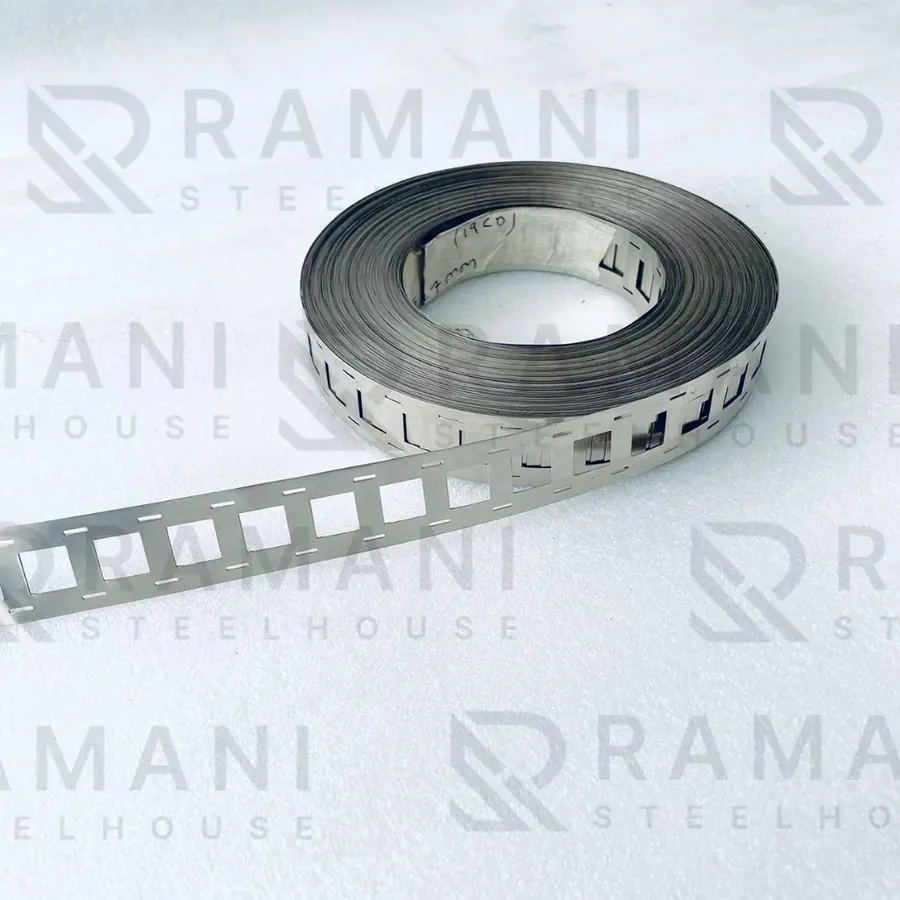 21700 2P H-type — Thickness: 0.20mm
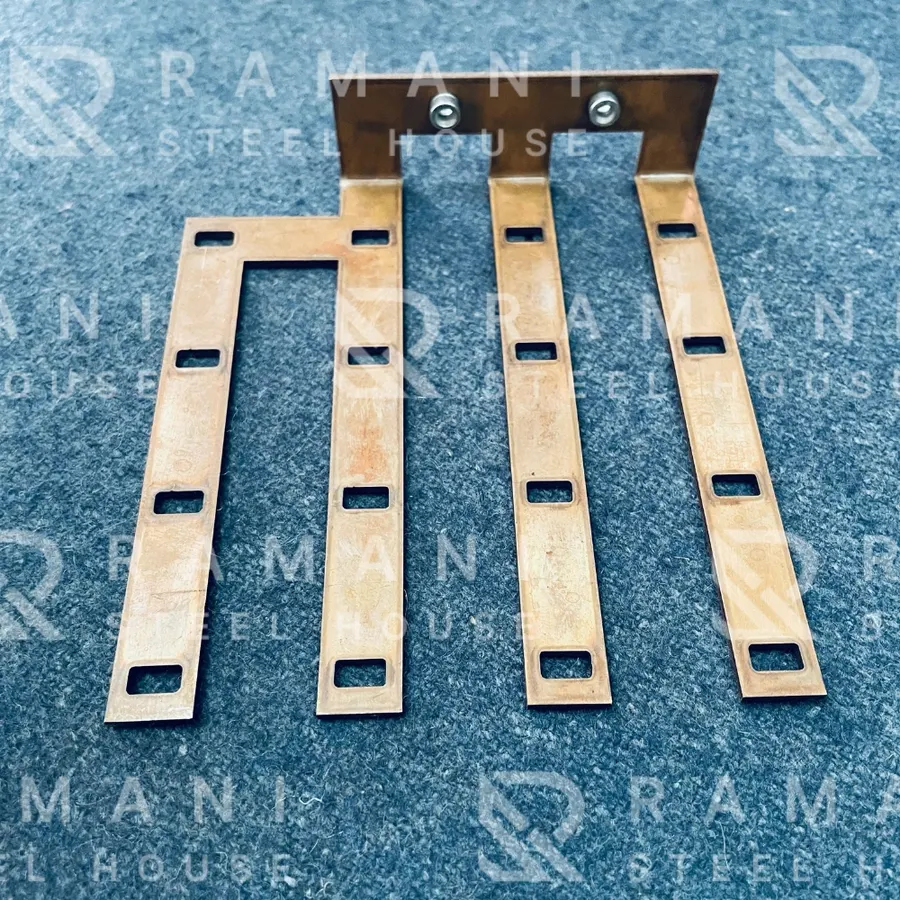 Copper Busbar
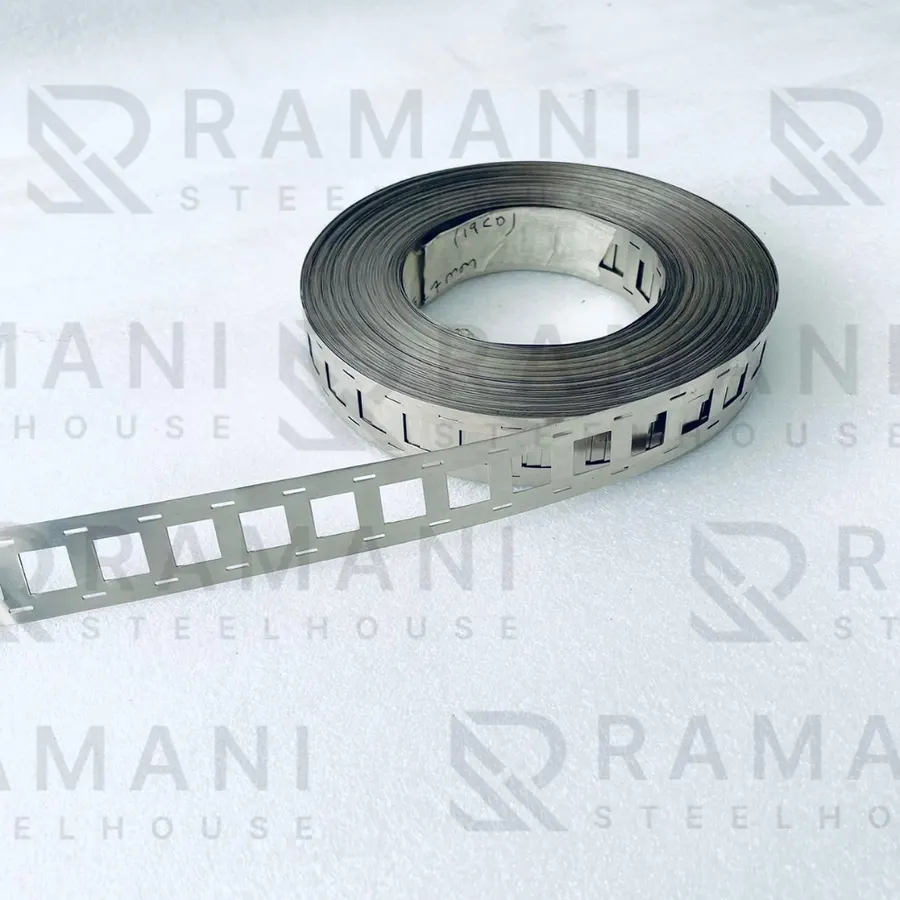 Ni 18650 2P H-Type Fuse Nickel Strip — Thickness: 0.15mm
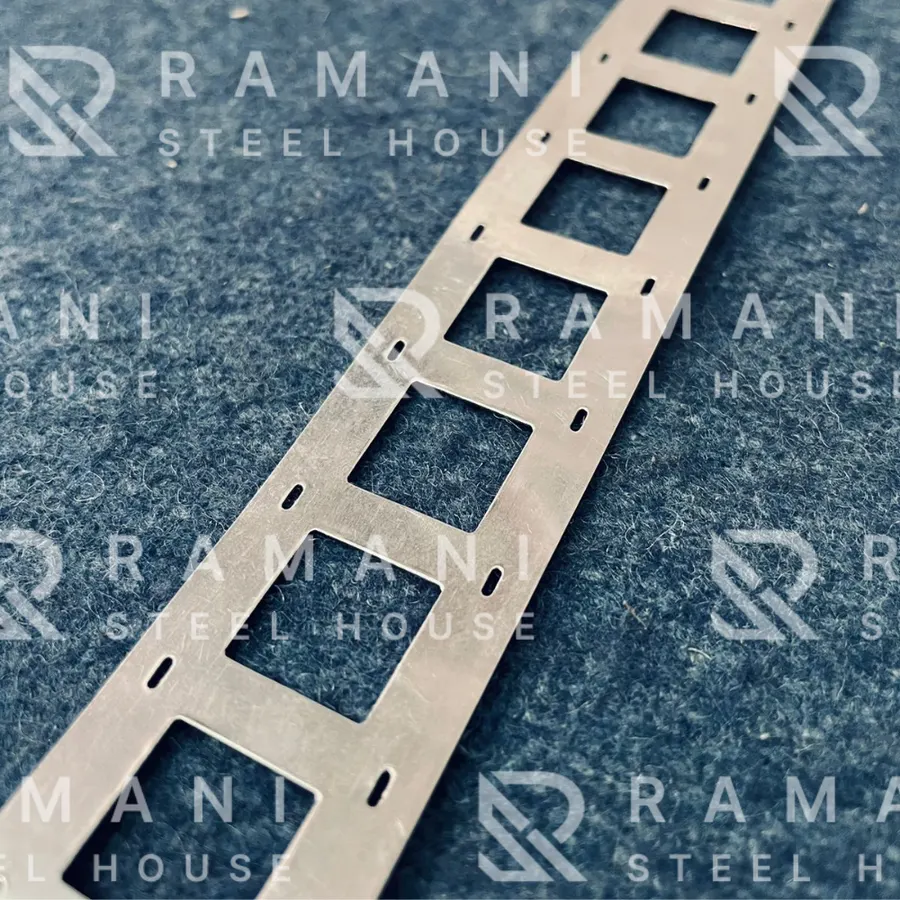 Ni 18650 2P H-Type Nickel Strip — Thickness: 0.15mm
Related guides
- Nickel Strip Samples: How to Test Before a Bulk Order
- Nickel Strip Pricing Guide: What Determines Cost for Bulk Battery Pack Orders
- Export & Documentation Guide for Sourcing Nickel Strips from India
- Nickel Strip Surface Finish Guide: Bright, Matte, and Nickel-Plated Explained
All nickel strip guides and technical articles · Nickel strip and busbar products