Common Nickel Strip Defects and How to Avoid Them in Battery Manufacturing

Most weld failures traced back to "bad material" on a battery pack line are actually a small set of recurring nickel strip defects — not exotic problems, but ones that are easy to miss without the right inspection process. Knowing what to look for helps you catch issues before a strip reaches the welder, not after a batch of packs fails testing.
Slitting Burrs
Burrs form along the cut edge during slitting when tooling is worn or misaligned. Beyond being a handling hazard, burrs concentrate current and heat unevenly at the weld point, increasing the chance of an inconsistent or weak nugget. Edge conditioning after slitting, and periodic tooling inspection, are the standard defenses against this.
Thickness Variation Within a Coil
Even strip that measures correctly at the start of a coil can drift in thickness further along its length if rolling and slitting processes are not tightly controlled. Because welding processes are sensitive to resistance and heat input, thickness drift shows up as inconsistent weld quality partway through a production run, which is often harder to diagnose than a batch that is simply off-spec from the start. In-line thickness monitoring during manufacturing, rather than spot-checking finished coil, is the more reliable defense.
Surface Contamination and Oxidation
Oils from handling, storage in humid conditions, or extended time between manufacturing and use can leave a surface film or light oxidation that changes contact resistance. This does not always show up in an inspection unless surface condition is specifically checked, and it is a common, under-diagnosed cause of "random" weld failures that don't correlate with any single batch.
Plating Delamination (Nickel-Plated Steel)
On nickel-plated steel strip, incorrect forming or welding parameters can crack or lift the plating layer, exposing the base steel underneath. This is both a corrosion risk and an electrical performance issue, since the exposed steel has different conductivity and corrosion behavior than the plated surface. This is one of the reasons pure nickel strip is generally preferred over plated steel for critical, high-reliability applications despite the higher material cost.
Inconsistent Pattern Cutting on H-Type and Fuse-Type Strip
For patterned strip, inconsistent slot or fuse-link dimensions change both the mechanical flex behavior and, for fuse-type strip, the actual current at which the fuse link opens. A fuse link cut slightly wider or narrower than specified changes its protective behavior, which matters for pack safety, not just aesthetics.
How to Catch These Before They Reach Your Line
- Request batch-level Material Test Certificates, not generic datasheets.
- Ask your supplier how thickness is monitored — in-line versus spot-checked.
- Inspect a sample under magnification for edge burrs and surface condition before releasing a batch to production.
- Run weld trials on new batches, not just new suppliers, since defects can appear in an otherwise-qualified supply chain.
Ramani Steel House manufactures with automated slitting, edge conditioning, and batch-wise conductivity and dimensional testing specifically to control these defect modes. Talk to our quality team about your incoming inspection requirements.
Frequently Asked Questions
What causes inconsistent nickel strip weld quality?
The most common causes are thickness variation within a coil, slitting burrs concentrating heat unevenly, and surface contamination or oxidation changing contact resistance. All three can appear even in strip that measured correctly at initial inspection.
What is plating delamination on nickel-plated steel strip?
Plating delamination is when incorrect forming or welding parameters crack or lift the nickel plating layer, exposing the base steel underneath. It creates both a corrosion risk and an electrical performance issue.
How can I check for nickel strip defects before production?
Request batch-level Material Test Certificates, ask how thickness is monitored during manufacturing, inspect samples under magnification for edge burrs, and run weld trials on new batches even from an already-qualified supplier.
Does fuse-type nickel strip need tighter dimensional control than plain strip?
Yes. For fuse-type strip, the fuse link’s width and length determine the current at which it opens under fault conditions, so inconsistent cutting directly affects pack safety behavior, not just mechanical fit.
Products covered in this article
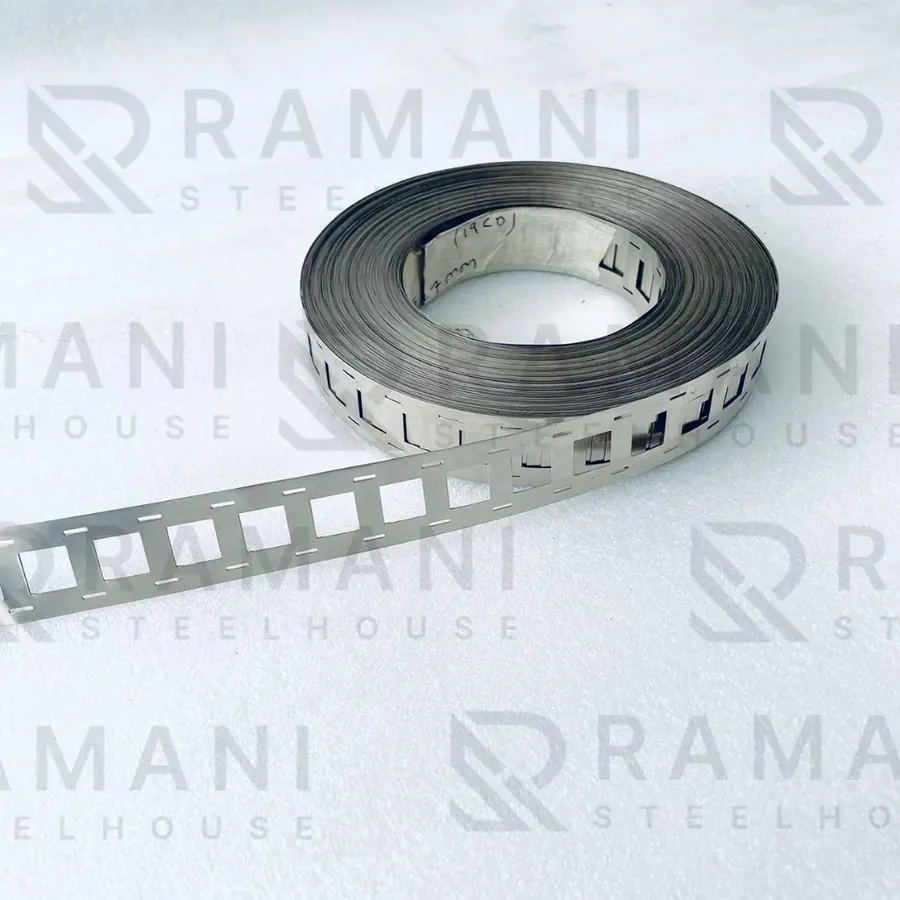 21700 2P H-type — Thickness: 0.20mm
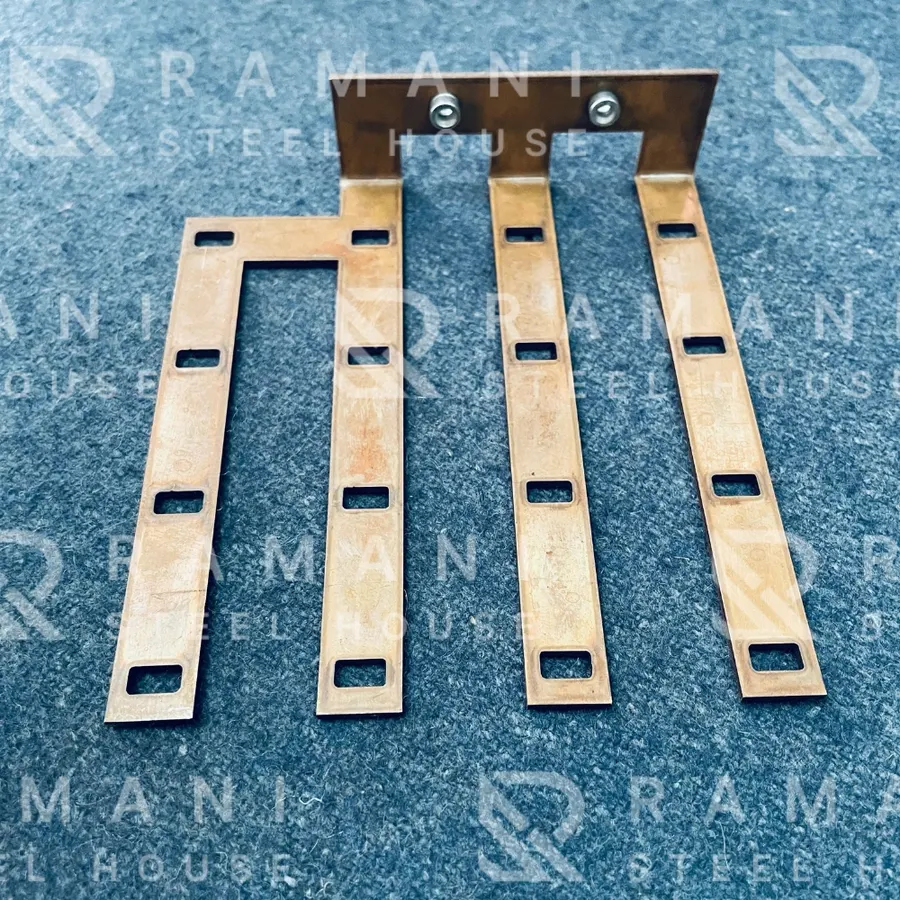 Copper Busbar
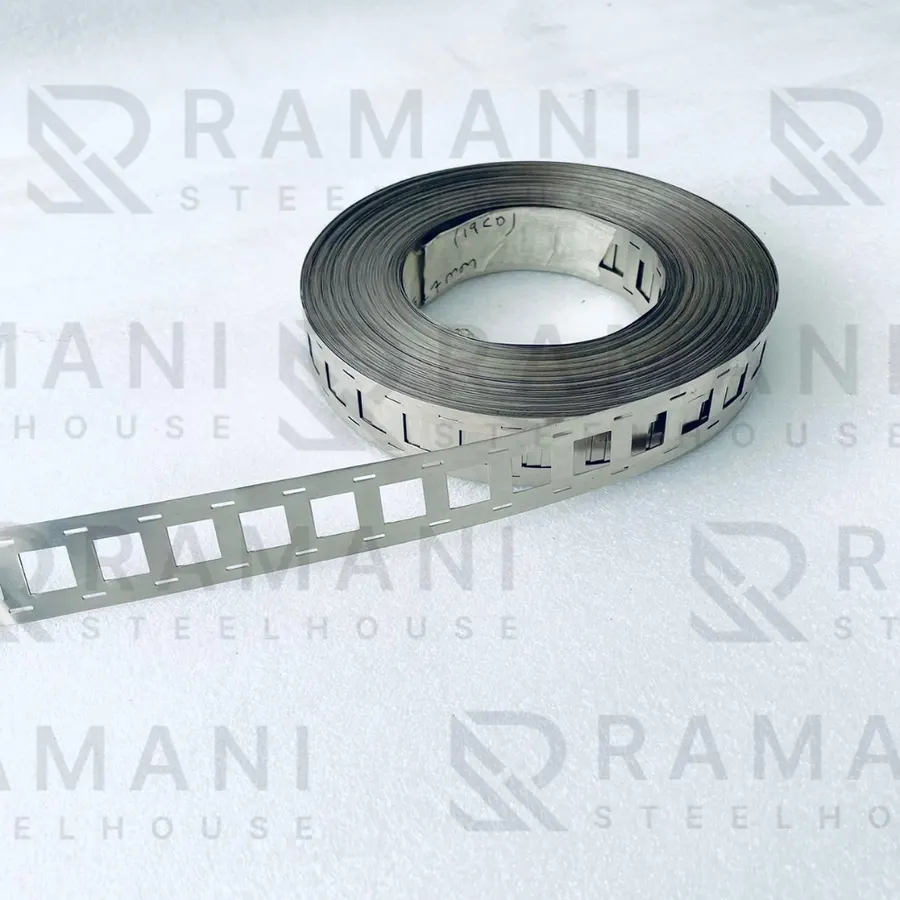 Ni 18650 2P H-Type Fuse Nickel Strip — Thickness: 0.15mm
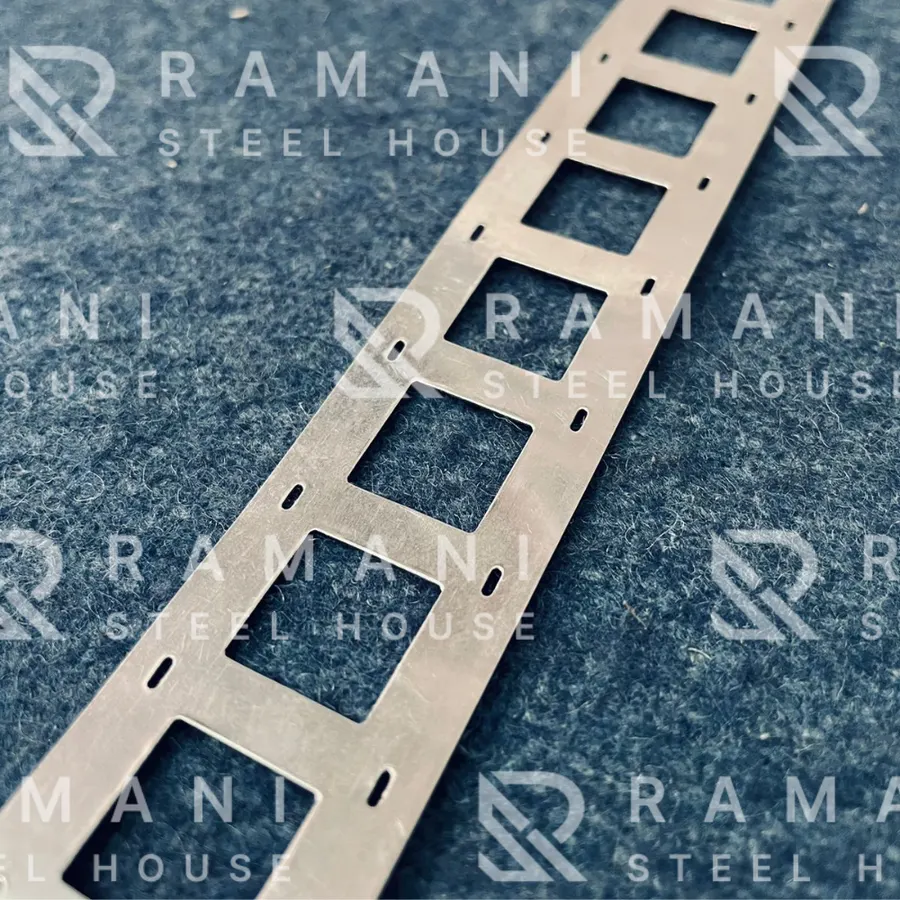 Ni 18650 2P H-Type Nickel Strip — Thickness: 0.15mm
Related guides
- Nickel Strip Pricing Guide: What Determines Cost for Bulk Battery Pack Orders
- Zig-Zag vs H-Type Nickel Strip: Choosing the Right Interconnect Pattern for Your Battery Pack
- Nickel 200 vs Nickel 201: Which Alloy Is Right for Battery-Grade Nickel Strip?
- Nickel Strip vs Copper Busbar: How to Choose the Right Interconnect Material for Lithium-Ion Battery Packs
All nickel strip guides and technical articles · Nickel strip and busbar products