How to Choose a Nickel Strip Manufacturer in India: A Buyer's Checklist

Switching nickel strip suppliers, or qualifying one for the first time, is a decision that affects weld yield, pack reliability, and lead times for months afterward. Before committing to a bulk order, it is worth working through a structured checklist rather than comparing quotes on price alone.
1. Material Certification and Traceability
Ask for a Material Test Certificate (MTC) with every batch, showing purity, composition, and mechanical properties for that specific coil, not a generic datasheet. A supplier that cannot provide batch-level traceability makes it harder to diagnose weld or corrosion issues later if they occur.
2. Quality Management Certification
ISO 9001 certification indicates a documented, auditable quality process rather than ad hoc inspection. For environmentally regulated markets, ISO 14001 and compliance documentation (RoHS, REACH) are worth confirming up front, especially for export orders.
3. Thickness and Dimensional Tolerance
Ask specifically how tolerance is controlled — automated slitting with in-line thickness monitoring behaves very differently from manual slitting with spot checks. As covered in our nickel strip thickness guide, tolerance consistency affects weld quality as much as the nominal thickness value.
4. Sample and Trial Support
A manufacturer willing to supply trial coil for your own weld line, before you commit to a bulk order, is signaling confidence in their process. Be cautious of suppliers who only offer full-batch minimums with no sample path.
5. Customization Capability
Standard H-type and fuse-type patterns cover most requirements, but pack designs evolve. Confirm whether your supplier can produce custom widths, thicknesses, and cut patterns to drawing — and what lead time that requires — before you're mid-project and need a non-standard configuration.
6. Export Documentation and Logistics
For international buyers, confirm what export paperwork is included as standard: commercial invoice, packing list, certificate of origin, and HS code classification. Ask about typical lead times for both domestic and international shipment, since nickel strip is often a bottleneck component in pack assembly schedules.
7. Engineering Support
A supplier that can advise on thickness, pattern, and material tradeoffs — not just fulfill a spec sheet — is more valuable over the life of a program, particularly if your pack design changes between prototype and mass production.
Working With Ramani Steel House
As a Nickel Strip Manufacturer India with over five decades of metallurgical manufacturing experience, Ramani Steel House supplies Pure Nickel Strip, H Type Nickel Strip, and Nickel Busbar with full material certification, ISO-certified production, and export support to 17+ countries. Request a sample or engineering consultation to evaluate us against this checklist directly.
Frequently Asked Questions
What certifications should a nickel strip manufacturer have?
At minimum, look for ISO 9001 quality management certification and the ability to provide a batch-level Material Test Certificate (MTC). For export or environmentally regulated markets, ISO 14001, RoHS, and REACH compliance documentation are also worth confirming.
Should I request sample nickel strip before placing a bulk order?
Yes. Requesting trial coil for your own weld line before committing to a full batch is the most reliable way to confirm that thickness tolerance and surface finish perform as expected under your specific process.
What export documentation should come with a nickel strip order?
International orders should include a commercial invoice, packing list, certificate of origin, and correct HS code classification, along with material test certificates for the batch.
Why does thickness tolerance control matter when choosing a supplier?
Tolerance consistency within a coil affects weld quality as much as the nominal thickness value, since welding processes are sensitive to resistance and heat-input variation caused by inconsistent thickness.
Products covered in this article
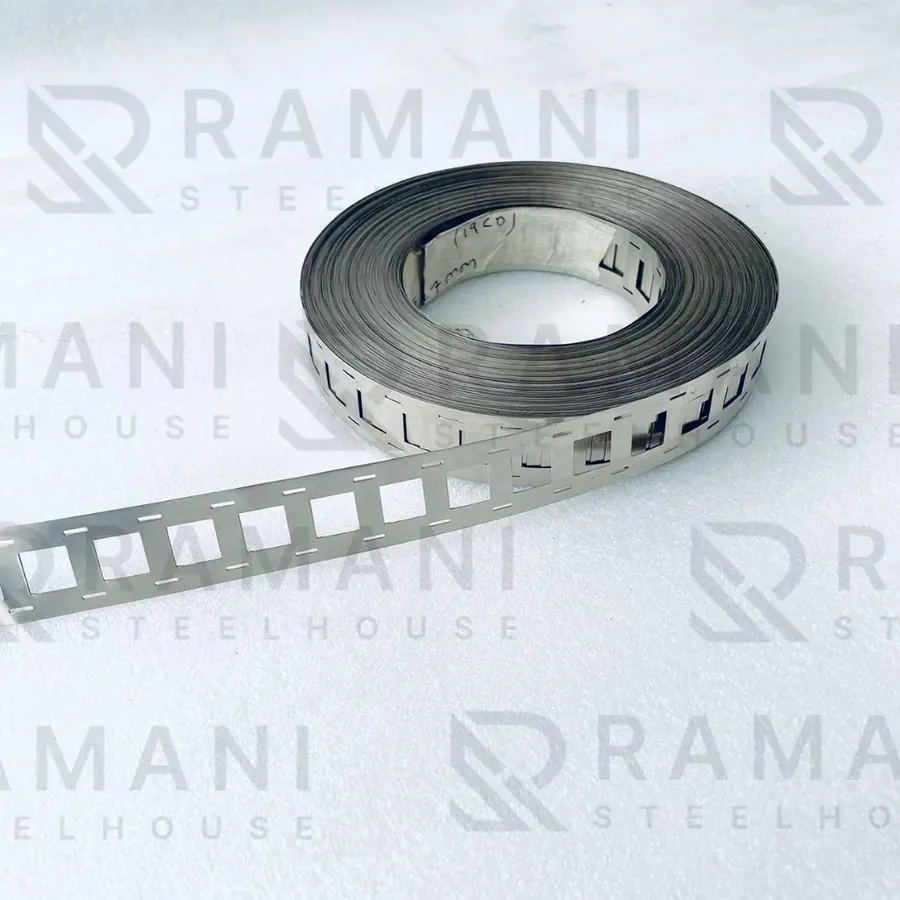 21700 2P H-type — Thickness: 0.20mm
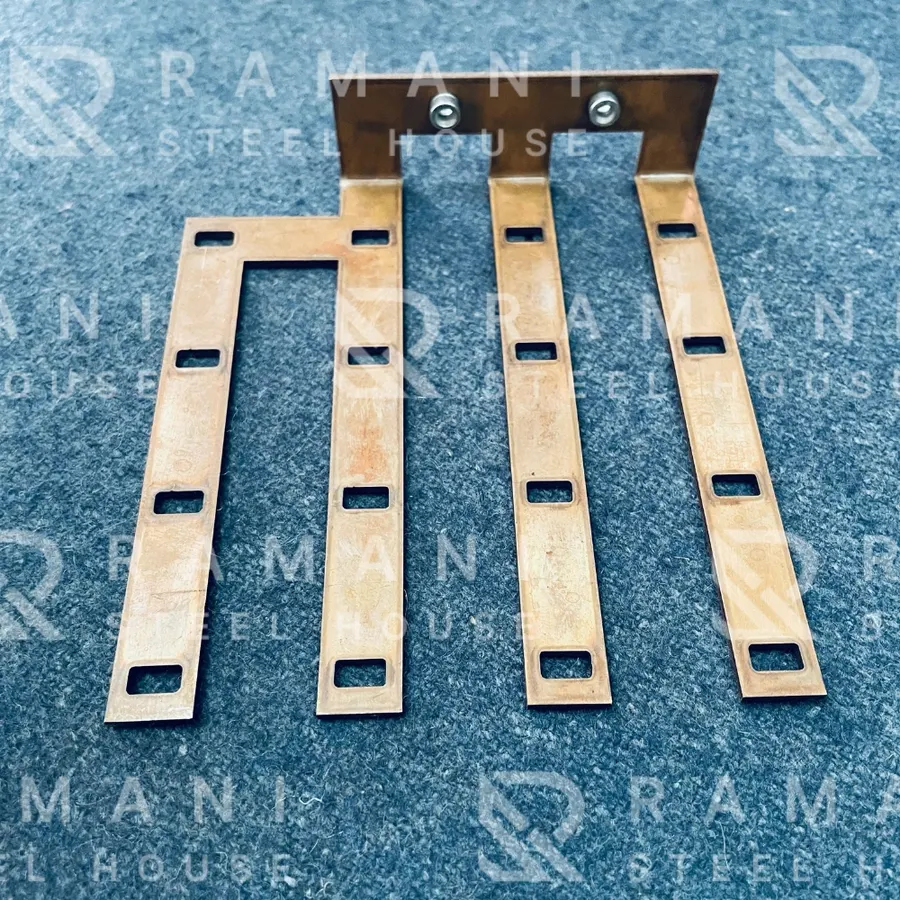 Copper Busbar
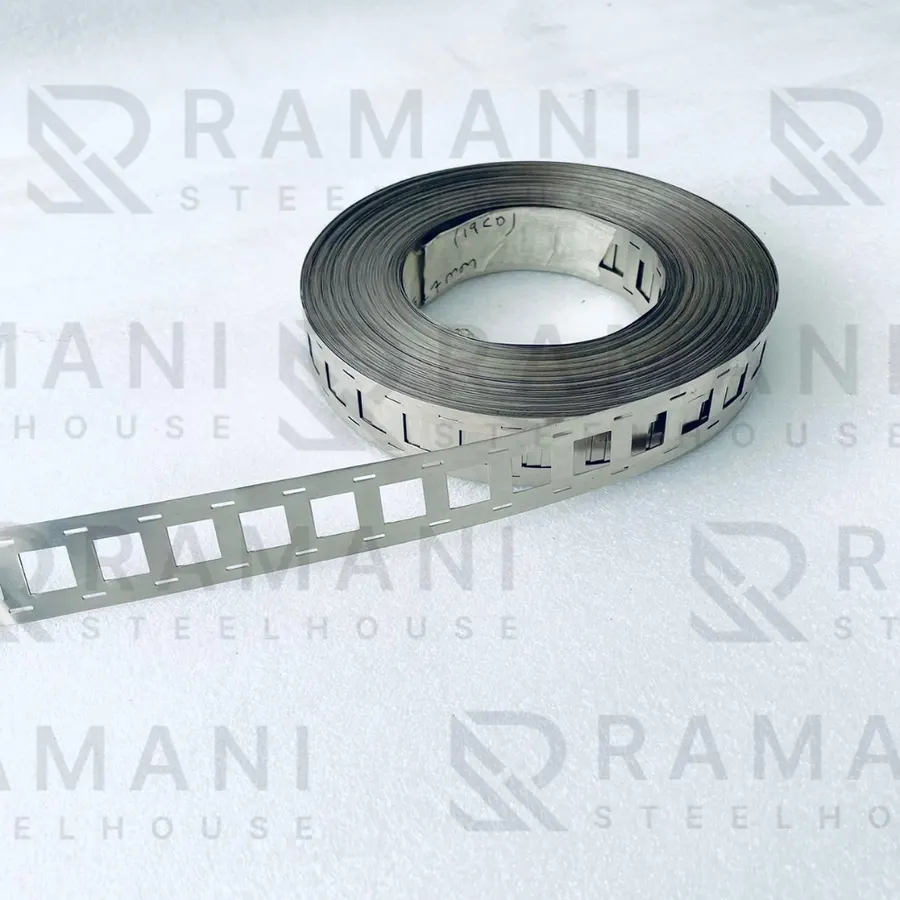 Ni 18650 2P H-Type Fuse Nickel Strip — Thickness: 0.15mm
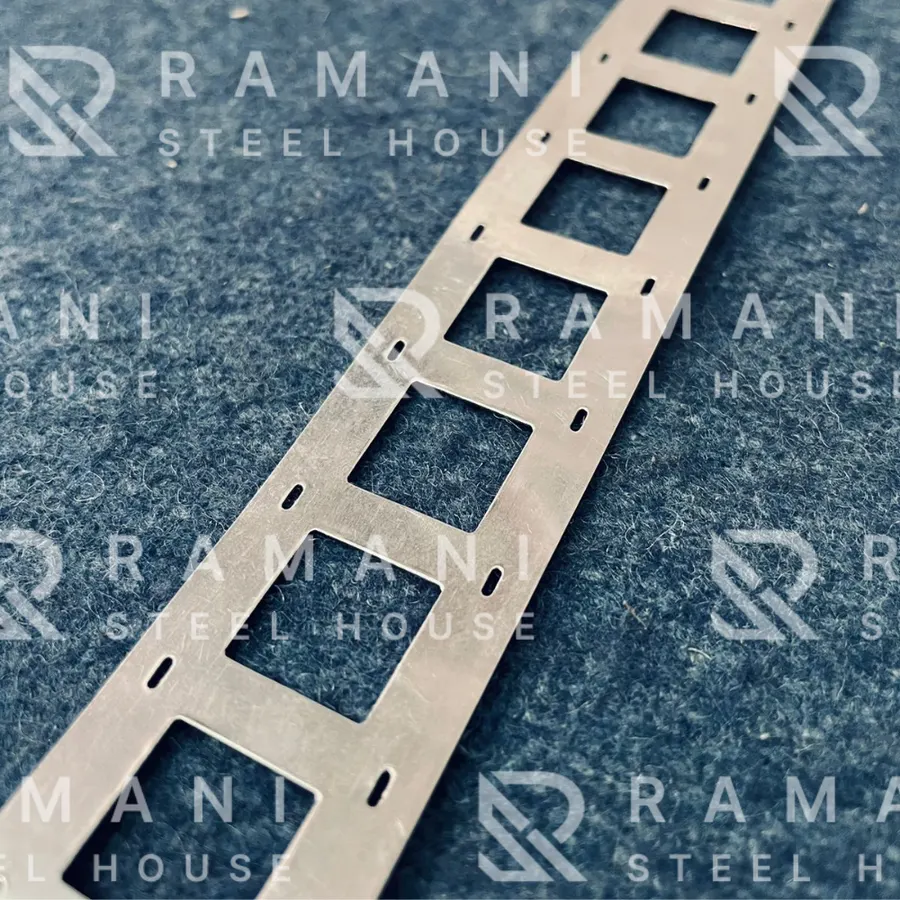 Ni 18650 2P H-Type Nickel Strip — Thickness: 0.15mm
Related guides
- Nickel Strip Price per Kg in India: What Moves It in 2026
- Export & Documentation Guide for Sourcing Nickel Strips from India
- Nickel Strip vs Copper Busbar: How to Choose the Right Interconnect Material for Lithium-Ion Battery Packs
- Nickel Strip Thickness Guide: How to Choose the Right Gauge
All nickel strip guides and technical articles · Nickel strip and busbar products