Nickel Strip Price per Kg in India: What Moves It in 2026
Ask three suppliers for a nickel strip price and you can get three numbers a third apart — for what looks like the same material. The spread is rarely anyone being unreasonable. It is that "nickel strip" is not one product, and the price per kilogram is the sum of six different things.
Here is what sits inside the number, which parts you can influence, and how to compare two quotes honestly.
| Factor | Effect on price | Can you influence it? |
|---|---|---|
| LME nickel price and the rupee | Largest single share | No — but you can time and fix the quote |
| Pure nickel vs nickel-plated steel | Large | Yes, if your pack allows it |
| Thickness and width | Moderate, through setup and scrap | Yes — standard sizes cost less |
| Pattern (plain, H-type, fuse-type) | Moderate, through tooling and stamping | Yes |
| Order volume | Moderate, setup spread over the run | Yes |
| Certification and testing | Small | Rarely worth cutting |
1. The metal itself
Nickel is an exchange-traded metal. Its LME price, converted to rupees, is the base of every quotation, and it is the largest share of what you pay. Two consequences follow. A quote has a validity window, often short, because the supplier cannot hold a price against a moving market. And a quote given last quarter is not a benchmark for this one — if a number looks far below the others, check its date before you celebrate.
2. Pure nickel or nickel-plated steel
Pure nickel and nickel-plated steel are priced differently because they are different materials, and comparing their price per kilogram directly is misleading: plated steel is lighter, so a kilogram of it is more metres. Compare cost per metre at the same size, and compare performance too — see pure nickel strip vs nickel-plated steel strip.
3. Thickness and width
Slitting is a setup-dominated operation: threading the line, setting knives to your width and running off the lead-in takes the same time for 20 kg as for 2,000 kg. A standard width slits with less scrap than an unusual one, and a very narrow width means more passes for the same weight. This is why an odd size can carry a premium that has nothing to do with the metal.
4. Pattern and tooling
Plain strip is slit and coiled. H-type, zig-zag and fuse-type strip is stamped, which adds a tool, a press and an inspection step, plus the material punched out and lost as scrap. A new pattern also needs tooling made for it. That cost is spread across the run, so it is felt hardest on small first orders of a new design — see zig-zag vs H-type nickel strip for what each pattern is actually for.
5. Order volume
Volume changes the per-kilogram price mostly by spreading setup, not by discounting metal. That is also why minimum orders exist at all, and why the minimum is the point at which setup stops dominating: see nickel strip minimum order quantity.
6. Certification, testing and packing
A material test certificate, batch-wise testing and proper export packing all cost something, and all are small next to the metal. They are the wrong place to save: the cost of not being able to prove what you received appears later, and larger. Our guide to choosing a nickel strip manufacturer covers what to insist on.
How to compare two quotations
- Normalise the specification. Same material, thickness, width and pattern, or you are not comparing anything.
- Convert to cost per metre if the materials differ, using thickness × width × density.
- Check what is included — MTC, packing, freight, and for exports the documentation.
- Check the validity date and whether the price is fixed for your delivery window.
- Check the minimum order, so a low per-kg rate is not attached to a quantity you cannot use.
Ramani Steel House publishes an indicative price per kilogram on each product page and quotes against your exact specification on enquiry. Orders start at 5 kg, and material test certificates are provided on request. Browse nickel strip or send your size, pattern and quantity for a current quotation.
Frequently Asked Questions
What is the price of nickel strip per kg in India?
There is no single figure. The price is built from the LME nickel price in rupees, then adjusted for purity, thickness, width, pattern, order volume and certification. Because the metal is the largest share, quotations move with the market and are usually valid for a short window.
Why do nickel strip quotes differ so much between suppliers?
Usually because the specifications are not identical. Pure nickel and nickel-plated steel, a plain strip and a stamped one, or a standard and a non-standard width all price differently. Normalise the specification first, then compare.
Is nickel strip cheaper in bulk?
Per kilogram, generally yes, but mostly because setup costs are spread over a longer run rather than because the metal is discounted. That is also why suppliers set a minimum order quantity.
Does a stamped pattern cost more than plain nickel strip?
Yes. H-type, zig-zag and fuse-type strip need a tool, a press pass and an inspection step, and material is punched out and lost as scrap. A brand-new pattern also needs tooling made for it, which is felt most on a small first order.
Products covered in this article
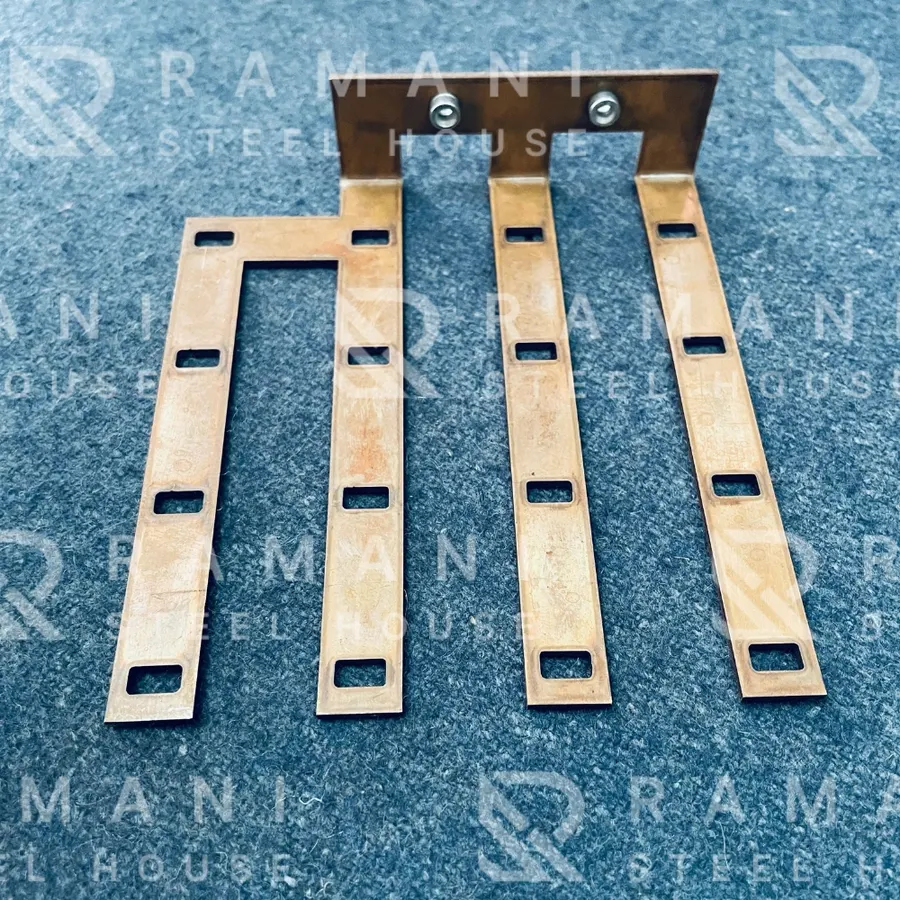 Copper Busbar
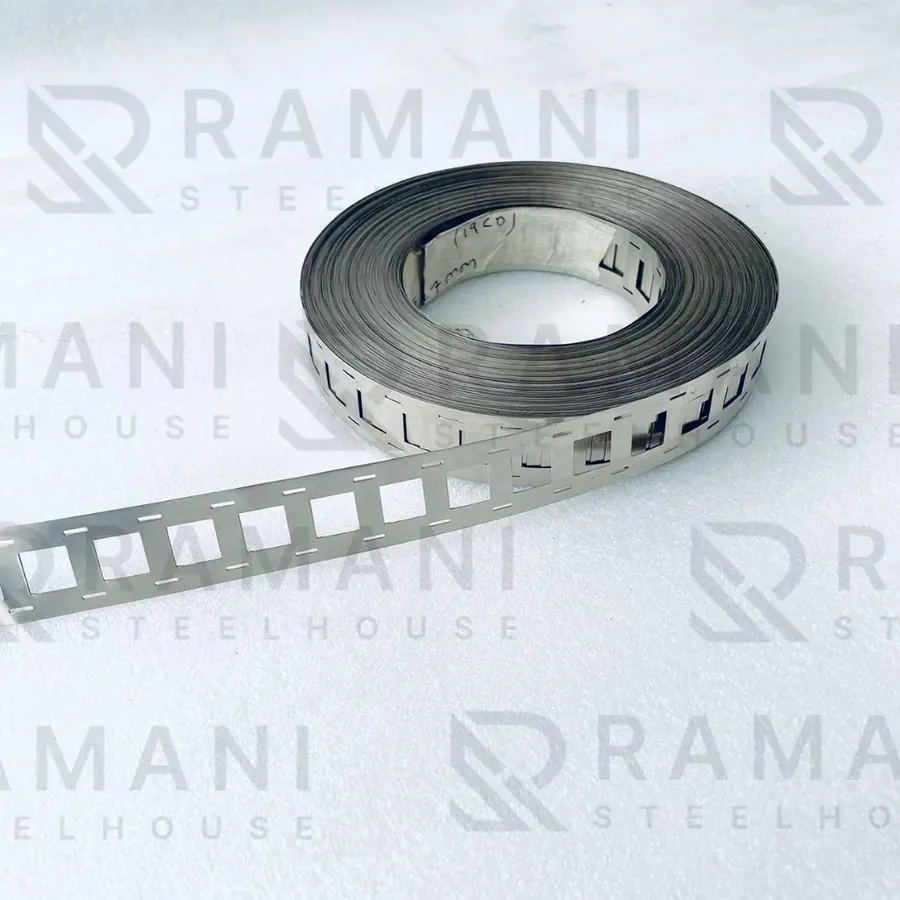 21700 2P H-type — Thickness: 0.20mm
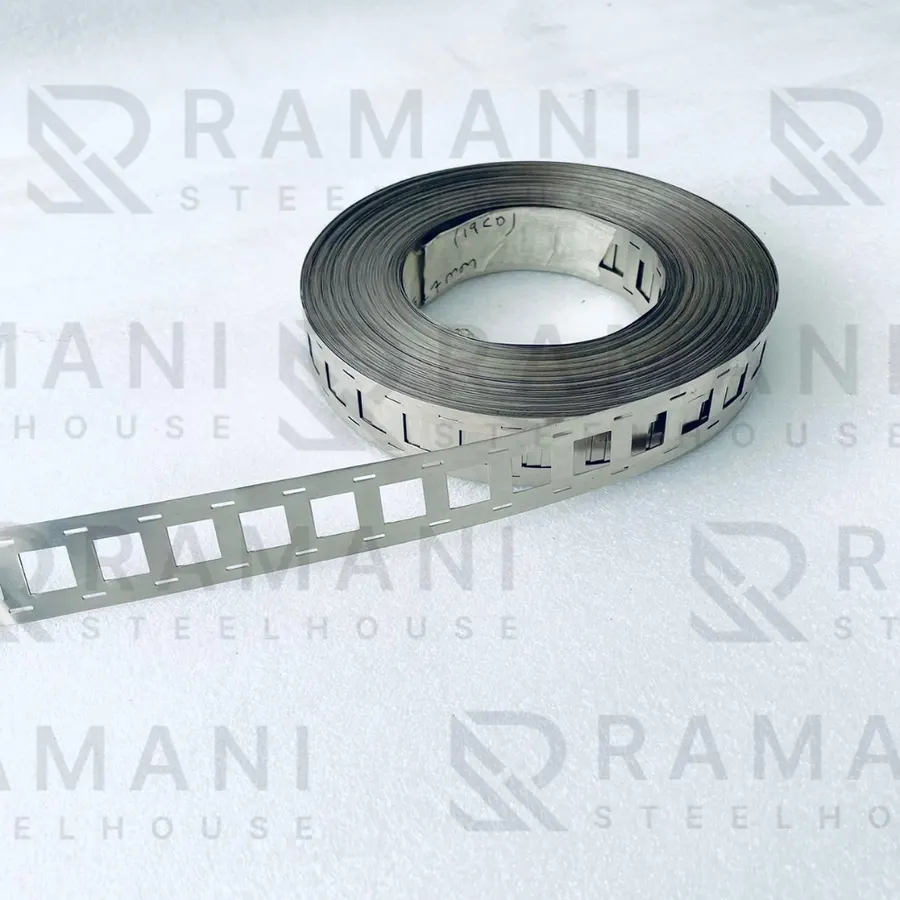 Ni 18650 2P H-Type Fuse Nickel Strip — Thickness: 0.15mm
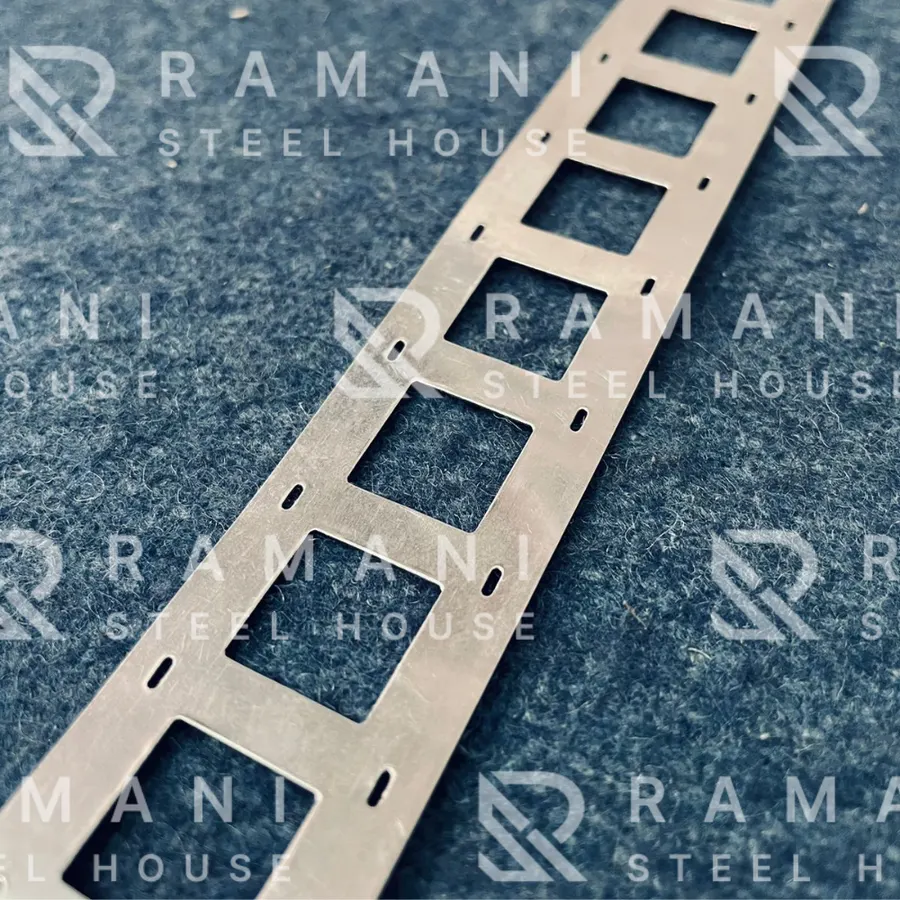 Ni 18650 2P H-Type Nickel Strip — Thickness: 0.15mm
Related guides
- Export & Documentation Guide for Sourcing Nickel Strips from India
- How to Choose a Nickel Strip Manufacturer in India: A Buyer's Checklist
- Nickel Strip vs Copper Busbar: How to Choose the Right Interconnect Material for Lithium-Ion Battery Packs
- Nickel Strip Weight per Metre: Chart, Formula and kg-to-Metre Conversion
All nickel strip guides and technical articles · Nickel strip and busbar products