Nickel Strip Surface Finish Guide: Bright, Matte, and Nickel-Plated Explained

Thickness and purity get most of the attention in a nickel strip specification, but surface finish has a direct, practical effect on weldability and long-term contact performance. Understanding the difference between bright, matte, and nickel-plated finishes helps you specify the right one instead of accepting whatever a mill defaults to.
Bright Finish
Bright finish nickel strip has a smooth, reflective surface produced by polished rolling. It offers low, consistent contact resistance and a clean surface for welding, which is why it is common for battery tab and interconnect applications where weld repeatability matters most. The tradeoff is that a bright surface shows handling marks and light surface contamination more visibly, which can complicate visual inspection if it's mistaken for a defect.
Matte (Dull) Finish
Matte finish is produced with unpolished or textured rolls, giving a duller, less reflective surface. Some assembly processes prefer matte finish because it can hide minor surface marking better and, in certain welding setups, provide slightly different heat absorption characteristics. The right choice between bright and matte often comes down to your specific weld process qualification rather than a universal rule — what works best is process-dependent, and worth confirming with trial welds rather than assuming.
Nickel-Plated Finish (on Steel Substrate)
Nickel-plated steel strip has a base steel core with a nickel plating layer applied for conductivity and corrosion protection at lower material cost than pure nickel. The finish quality of the plating — thickness, adhesion, and uniformity — matters more here than for solid nickel strip, since a thin or inconsistent plating layer is more likely to wear through during forming or crack during welding, exposing the base steel underneath.
Why Surface Finish Affects Weld Consistency
Contact resistance at the weld interface is partly determined by surface finish and surface cleanliness, not just bulk material resistivity. A strip with an inconsistent or contaminated surface can produce a wider spread of weld outcomes even when thickness and material are correctly specified, which is why surface finish deserves its own line item in an incoming quality check rather than being assumed from the material grade alone.
Handling and Storage Considerations
- Store coil in a dry, contamination-controlled environment to protect surface finish before use.
- Avoid excessive handling with bare hands, which can leave oils that affect contact resistance.
- Re-inspect surface condition if coil has been in storage for an extended period before release to production.
Specifying the Right Finish
Ramani Steel House manufactures nickel strip in bright, matte, and nickel-plated finishes, and can help match finish to your specific welding process during qualification. Request finish samples for your own weld trials.
Frequently Asked Questions
What is the difference between bright and matte finish nickel strip?
Bright finish is produced by polished rolling and offers a smooth, reflective surface with low, consistent contact resistance. Matte finish is produced with unpolished or textured rolls and can offer different heat-absorption characteristics that some weld processes prefer.
Does surface finish affect weld quality?
Yes. Contact resistance at the weld interface is partly determined by surface finish and cleanliness, not just the bulk material’s resistivity, so an inconsistent or contaminated surface can widen the spread of weld outcomes even with correct thickness and material.
Which finish is better: bright, matte, or nickel-plated?
There is no universal answer — the right choice depends on your specific welding process and should be confirmed with trial welds rather than assumed from the material grade alone.
Why does plating quality matter more on nickel-plated steel than pure nickel strip?
On nickel-plated steel, a thin or inconsistent plating layer is more likely to wear through during forming or crack during welding, exposing the base steel underneath, which is a failure mode that does not exist on solid nickel strip.
Products covered in this article
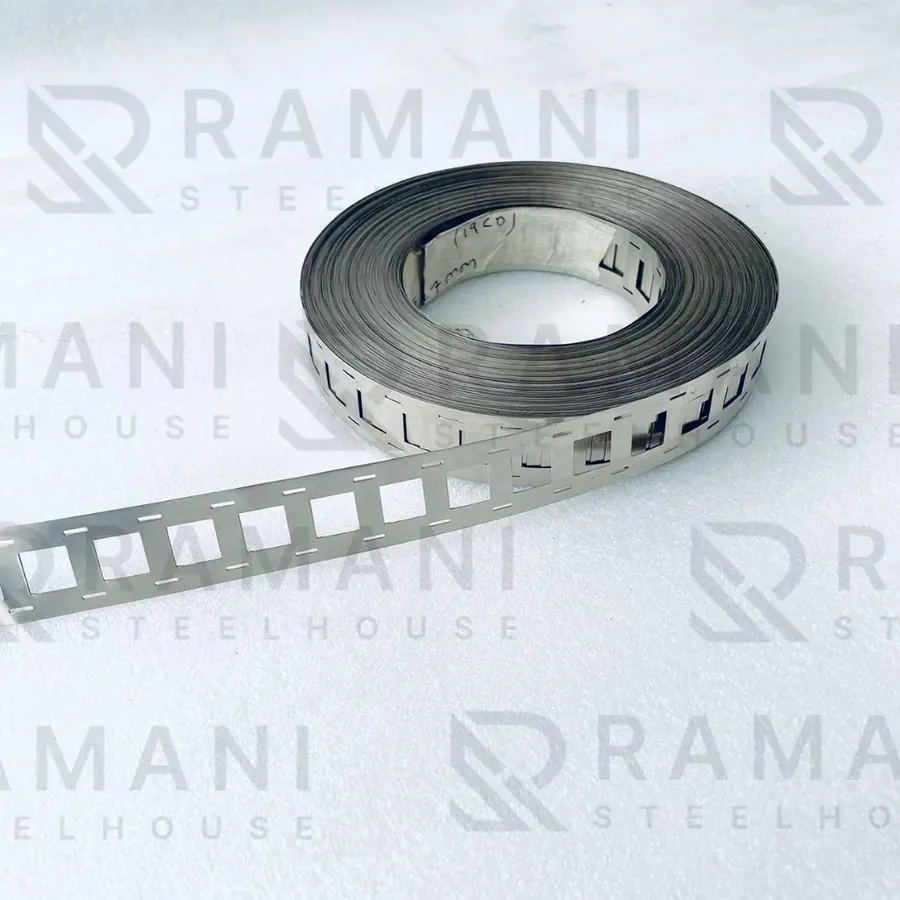 21700 2P H-type — Thickness: 0.20mm
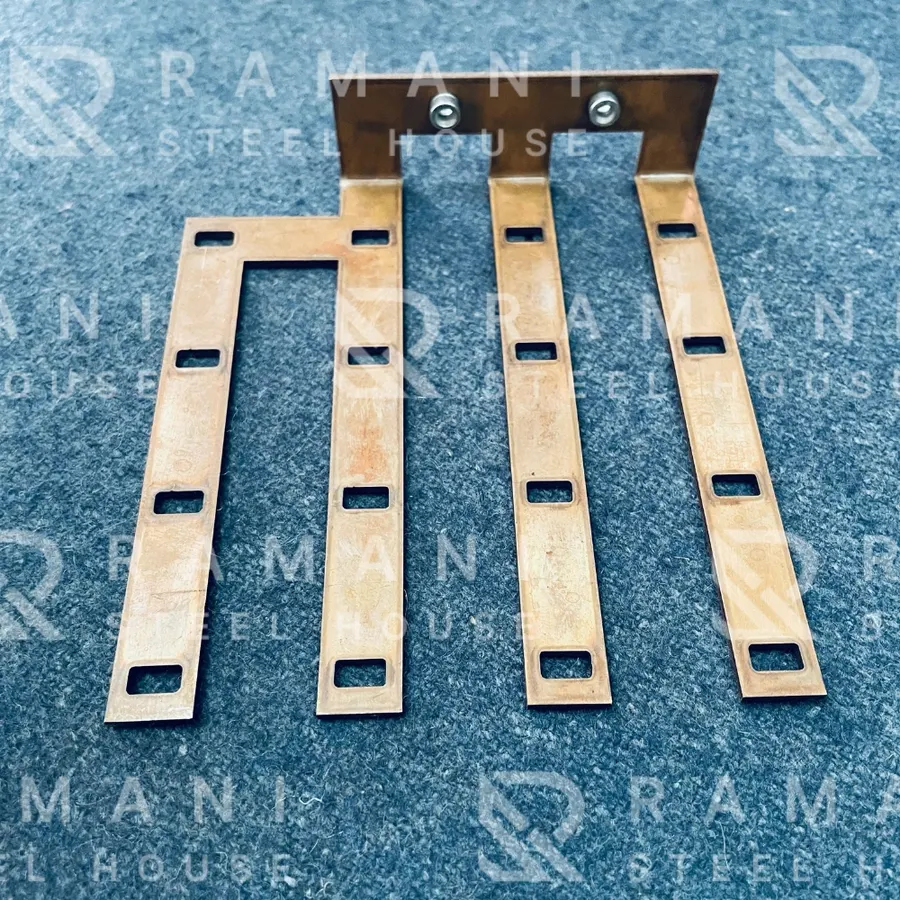 Copper Busbar
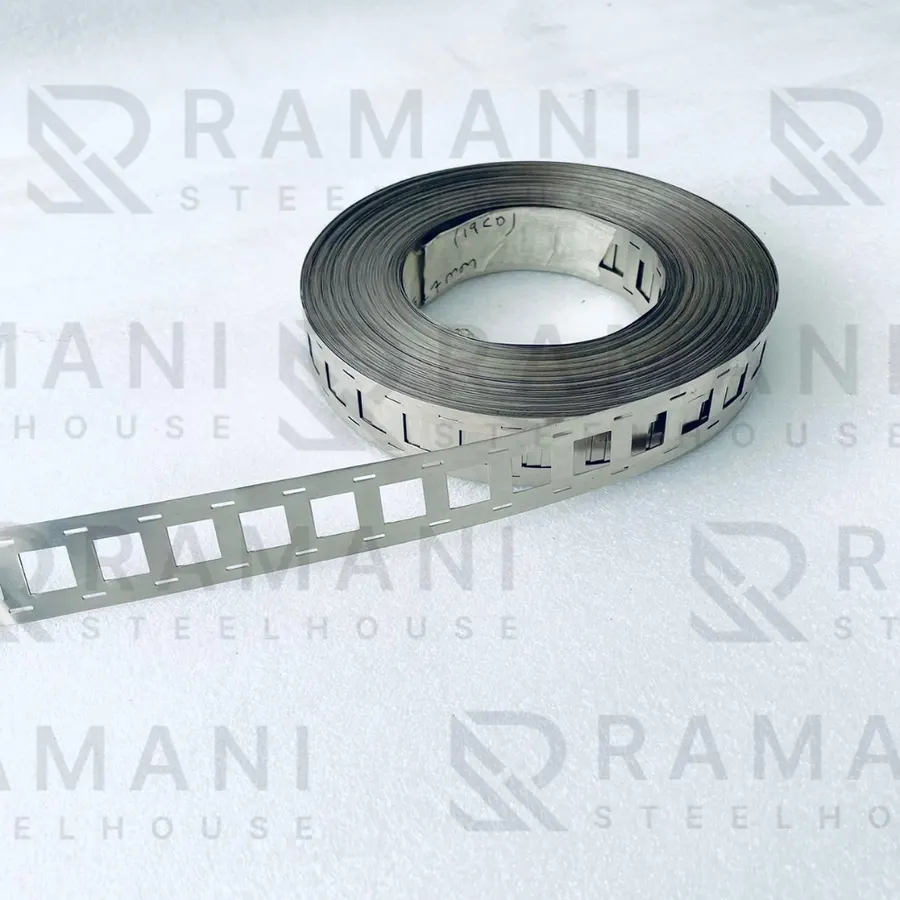 Ni 18650 2P H-Type Fuse Nickel Strip — Thickness: 0.15mm
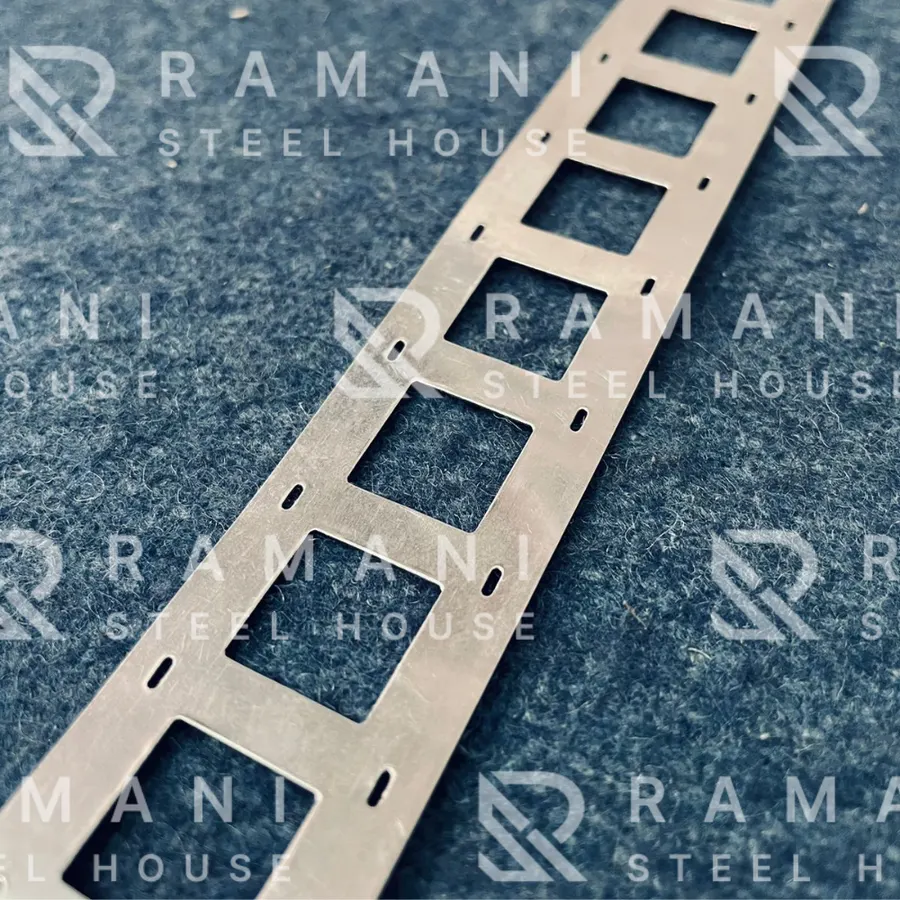 Ni 18650 2P H-Type Nickel Strip — Thickness: 0.15mm
Related guides
- Nickel Strip Storage and Handling Guide: Preventing Oxidation Before Welding
- Nickel Strip Pricing Guide: What Determines Cost for Bulk Battery Pack Orders
- Export & Documentation Guide for Sourcing Nickel Strips from India
- Nickel Strip Current Carrying Capacity: An Engineer's Guide to Safe Battery Pack Design
All nickel strip guides and technical articles · Nickel strip and busbar products