Nickel Strip vs Nickel Busbar: Key Differences and When to Use Each
.jpg?token=eyJraWQiOiJzdG9yYWdlLXVybC1zaWduaW5nLWtleV84ODdiMWJmNC1hOWFhLTQ2N2QtYTAwYy0zYTRkZTVjOTFlNWIiLCJhbGciOiJIUzI1NiJ9.eyJ1cmwiOiJJbWFnZXMvSCBUeXBlIDRQICgzKS5qcGciLCJzY29wZSI6ImRvd25sb2FkIiwiaWF0IjoxNzgyOTgzMDA4LCJleHAiOjMwNDQ0MjMwMDh9.KATEKQJ23JMuQCnKH49nLzhHG6kf_BcXID3O6VAxHXw)
"Nickel strip" and "nickel busbar" show up interchangeably in a lot of sourcing conversations, and in casual use that is fine — but they describe genuinely different parts with different current-carrying capability, and mixing them up in a spec sheet can mean over- or under-sizing your interconnect.
What Is Nickel Strip?
Nickel strip is thin, flat, coiled metal — typically 0.10mm to 0.50mm thick and a few millimetres to a few centimetres wide — used mainly to spot-weld individual cells together inside a battery pack. It is supplied as slit coil and, for multi-cell interconnects, stamped into patterns like H-type, fuse-type honeycomb, or zig-zag. Its defining trait is that it is thin enough to spot-weld directly to a cell terminal without damaging the cell.
What Is a Nickel Busbar?
A nickel busbar is a heavier, more rigid conductor — thicker and often wider or profiled — used to carry higher current between modules, between a module and a battery management system, or between a pack and its external terminals. Busbars are usually bolted, laser-welded at fewer, larger joints, rather than spot-welded across dozens of individual cell taps. Where nickel strip's job is many small, low-current connections across a cell group, a busbar's job is fewer, higher-current connections at the module or pack level.

Key Differences at a Glance
- Thickness: Nickel strip is typically 0.10–0.50mm; busbars are usually several times thicker.
- Joint type: Strip is spot-welded at many points across a cell group; busbars are bolted or welded at fewer, larger joints.
- Current level: Strip carries current per-cell/per-tab; busbars carry the aggregated current of a module or pack.
- Where it sits: Strip lives inside the cell-to-cell interconnect; busbars typically sit at module-to-module or module-to-BMS/terminal connections.
- Form: Strip is supplied as coil, often pattern-stamped; busbars are often custom-stamped or profiled flat pieces cut to a specific outline.
Can Nickel Strip and Nickel Busbar Be Used Together?
Yes — in most EV and large-format lithium-ion packs, both are used in the same design at different levels: nickel strip handles the cell-to-cell interconnect inside a module, and a nickel or copper busbar carries the combined current out of the module. Getting this handoff right matters for pack safety and performance — see our guide on nickel strip vs copper busbar for how to choose the busbar material itself once you are at that stage of the design.
When to Ask for a Custom Nickel Busbar
Standard busbar profiles do not fit every pack geometry. For higher-volume programs, a custom stamped nickel busbar cut to your module's exact bolt pattern and current rating removes a manual fabrication step from your assembly line.
Getting the Terminology Right in Your Spec
When you send a sourcing enquiry, specifying "nickel strip" versus "nickel busbar" tells a supplier immediately which part of your design you are asking about and prevents a mismatched quote. If you are unsure which term applies to your part, share a sketch, photo, or the cell/module datasheet — our engineering team can confirm before quoting.
.jpg?token=eyJraWQiOiJzdG9yYWdlLXVybC1zaWduaW5nLWtleV84ODdiMWJmNC1hOWFhLTQ2N2QtYTAwYy0zYTRkZTVjOTFlNWIiLCJhbGciOiJIUzI1NiJ9.eyJ1cmwiOiJJbWFnZXMvRnVzZSBUeXBlIDRQIC0gKDMpLmpwZyIsInNjb3BlIjoiZG93bmxvYWQiLCJpYXQiOjE3ODI5ODI1ODgsImV4cCI6MzA0NDQyMjU4OH0.L1ovXJh09a2Ne_HYhY3DyD_Vqz0dZ2oAv_ZW_7_cRtI)
Ramani Steel House manufactures both nickel strip — plain, H-type, fuse-type, zig-zag — and custom nickel and copper busbars in-house, so your pack design does not need two separate suppliers for these two connected parts. Send us your interconnect requirement and we will confirm the right part for each level of your design.
Frequently Asked Questions
Is nickel strip the same as nickel busbar?
No. Nickel strip is thin (0.10–0.50mm) coiled material spot-welded at many points to interconnect individual cells, while a nickel busbar is a thicker, more rigid conductor used at fewer, larger joints to carry higher current at the module or pack level.
Which carries more current, nickel strip or a nickel busbar?
A nickel busbar, because it is thicker and typically carries the combined current of an entire module or pack, whereas nickel strip carries current at the individual cell-tab level.
Do battery packs use both nickel strip and nickel busbars?
Yes, most EV and large-format lithium-ion packs use nickel strip for cell-to-cell interconnects within a module and a nickel or copper busbar to carry the aggregated current out of the module.
Can the same manufacturer supply both nickel strip and custom nickel busbars?
Yes — Ramani Steel House manufactures both plain and patterned nickel strip and custom stamped nickel and copper busbars in-house, so both parts of a pack's interconnect design can be sourced from one supplier.
What is a nickel busbar used for in a battery pack?
A nickel busbar carries the combined current of a module or pack at a few larger joints: between modules, from a module to the BMS, or out to the pack terminals. Nickel strip makes the many small cell-to-cell welds inside the module, and the busbar takes over where that current is aggregated.
Is a nickel busbar bolted or welded?
Usually bolted, or laser-welded at a small number of larger joints. A busbar is too thick to resistance spot weld across dozens of cell tabs the way thin nickel strip is, so its joints are designed around the module's bolt pattern or a few defined weld points.
Products covered in this article
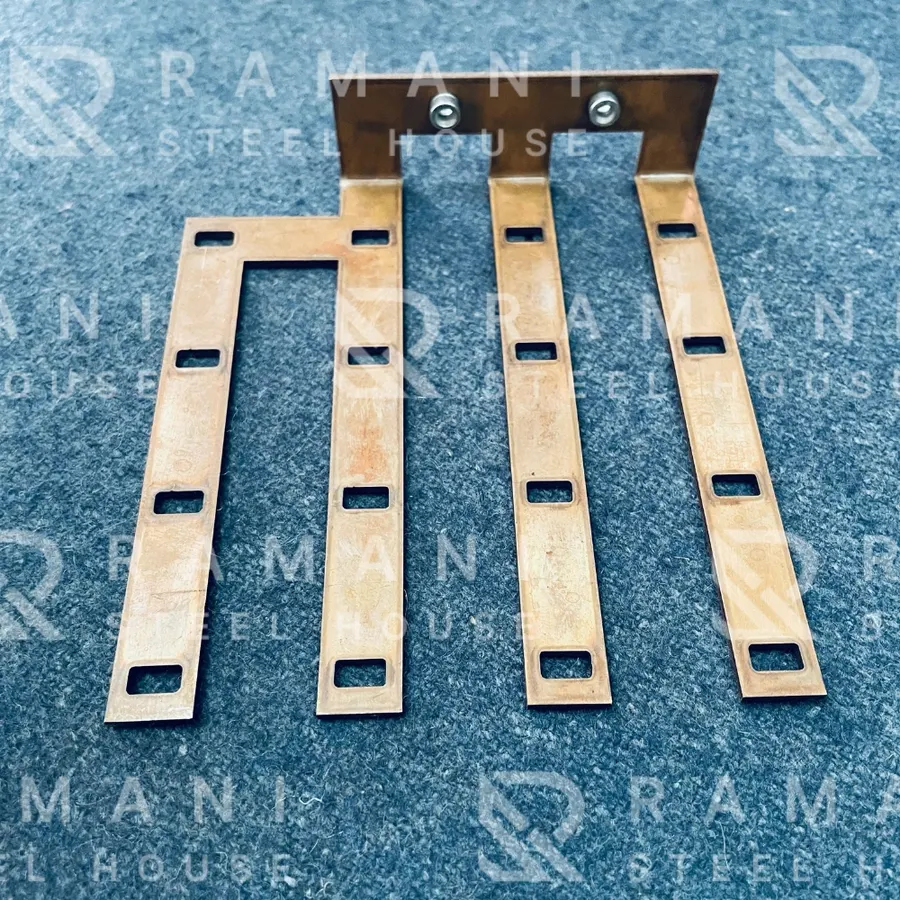 Copper Busbar
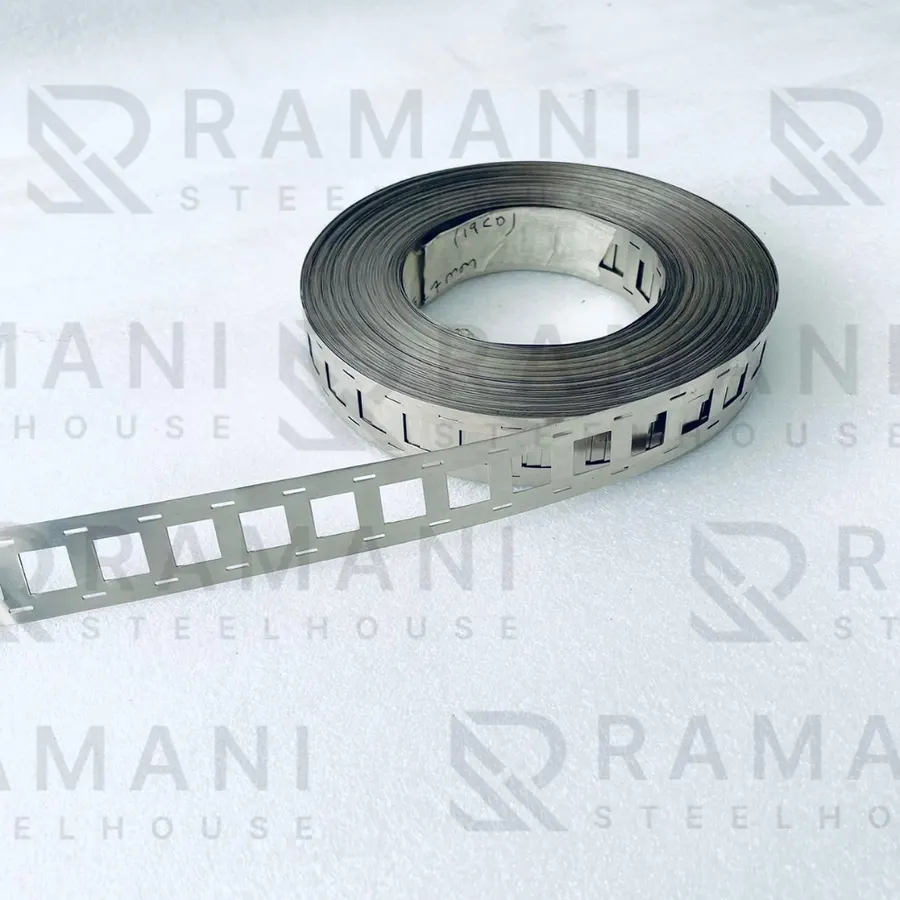 Ni 18650 2P H-Type Fuse Nickel Strip — Thickness: 0.15mm
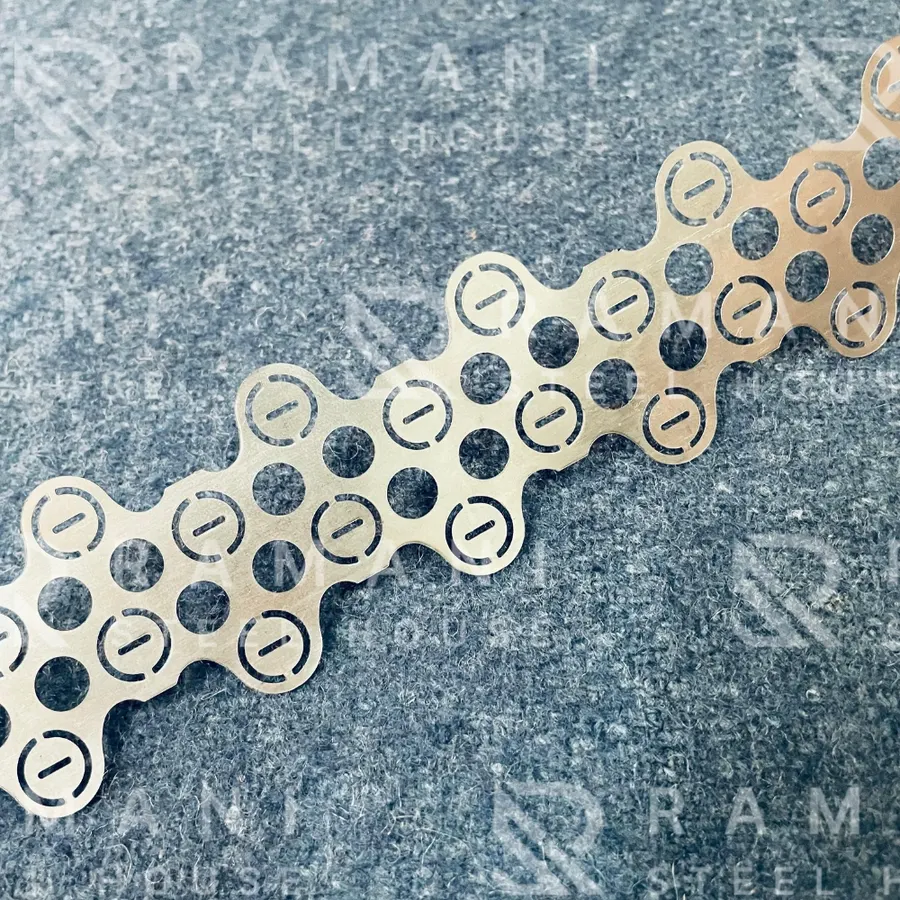 Ni Fuse type 21700 — Thickness: 0.20mm
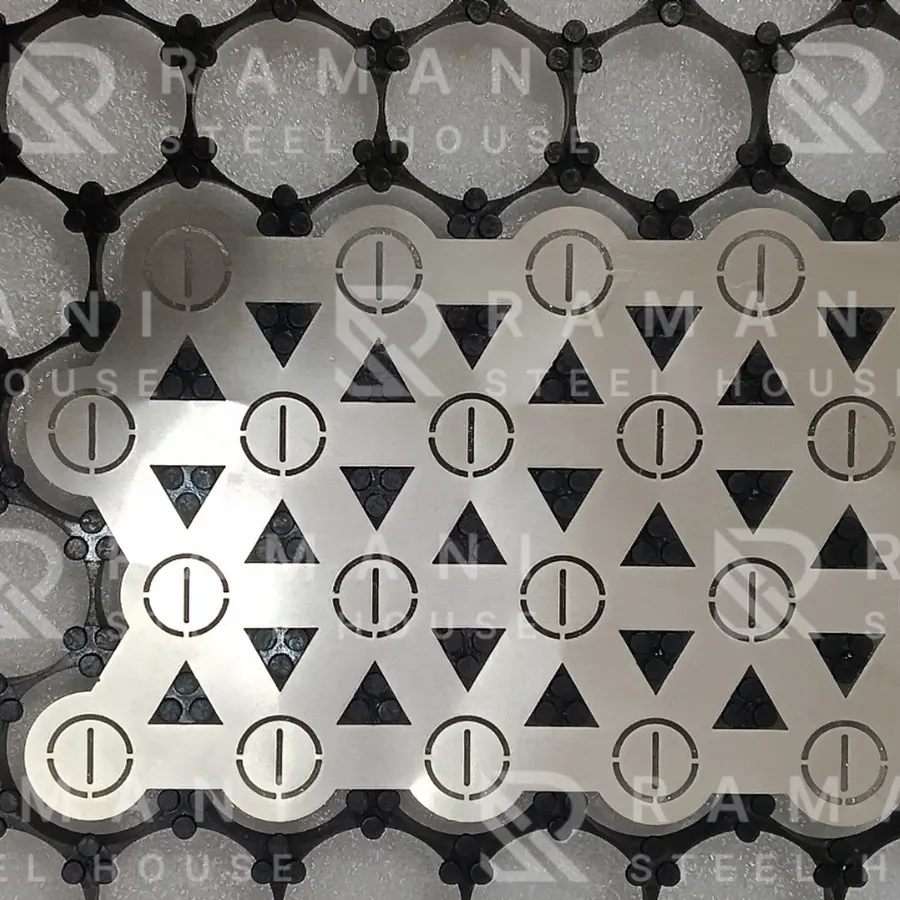 Ni Fuse Type 32700 — Thickness: 0.20mm
Related guides
- Fuse-Type vs Plain Nickel Strip: When Does a Battery Pack Actually Need a Built-In Fuse?
- 18650 vs 21700 Nickel Strip: What Changes When You Switch Cell Format
- Nickel Strip vs Copper Busbar: How to Choose the Right Interconnect Material for Lithium-Ion Battery Packs
- Nickel Strip Manufacturer for UK Battery Industry | Pure Nickel Strips for EV Battery Packs | Ramani Steel House
All nickel strip guides and technical articles · Nickel strip and busbar products