Nickel Strip Samples: How to Test Before a Bulk Order
Most buyers ask for a nickel strip sample. Far fewer get much out of it, because the sample arrives, looks like nickel strip, and goes in a drawer. A sample is worth asking for — but only if you know what you are testing and what the test can prove.
Ask for the right sample
A sample is only evidence if it is the thing you intend to buy. Specify the thickness, width and pattern you will actually order, and say what it is for. A 0.20 mm plain strip tells you nothing useful if you are going to order 0.15 mm H-type for 18650 cells, because the weld behaviour and the fit are both different.
If the size is not one you have seen listed, say so — sizes outside the standard range are made to order, and the sample should come from the same process the production run will.
What to check when it arrives
- Thickness, with a micrometer, at several points along the strip and across its width, not once in the middle. Thickness variation within a coil is one of the most common causes of inconsistent welds.
- Width and, on stamped strip, the pitch against your cell layout. Lay it on your actual pack if you can.
- The edges. Slitting burrs concentrate heat unevenly and are visible under a loupe or felt with a fingernail.
- The surface. It should be clean and uniform; oxidation or contamination changes contact resistance. See nickel strip surface finish guide.
The test that actually decides it: a weld trial
Everything above is a filter. The decision comes from welding the sample on your welder, with your cells, at your settings.
- Weld a series of joints across the range of energy settings you would use in production.
- Pull test them. A good weld tears a nugget out of the strip; a bad one peels off the cell cleanly. The failure mode tells you more than the force does.
- Check consistency across the set, not just the best joint. Repeatability is the property you are buying.
- Measure resistance across a welded joint if you can, and compare against your existing material.
Our battery spot welding guide covers what a clean weld looks like and the settings that get there.
What a sample cannot tell you
Two things, and both matter:
Batch-to-batch consistency. A sample is one piece of one batch. It proves that material to that specification can be supplied; it does not prove the next 200 kg will match. That is what a material test certificate for your delivered batch is for, and why it is worth insisting on one rather than accepting a generic specification sheet.
Assay. You cannot see purity. A strip that looks perfect can be a lower-purity grade, which shows up as extra resistance and heat in service rather than on the bench. See why nickel purity matters.
What to ask for alongside the sample
- The material grade and standard it is supplied to — Nickel 200 or Nickel 201, UNS N02200 or N02201
- The thickness tolerance the production run will be held to
- Whether a material test certificate is issued for production batches
- The sample quantity, cost and lead time, and whether it is credited against a first order
- The minimum order for the size you tested
Ramani Steel House can provide a sample strip before a bulk lot is committed, in the size and pattern you intend to order, with material test certificates available on request for production batches. Send your specification with the cells you are welding and the welder you use, and we will tell you what we would recommend testing.
Frequently Asked Questions
Can I get a nickel strip sample before ordering?
Yes. Ramani Steel House can provide a sample strip before a bulk lot is committed. Ask for the exact thickness, width and pattern you intend to order, and confirm the sample quantity, cost and lead time when you enquire.
What should I test on a nickel strip sample?
Measure thickness at several points with a micrometer, check width and stamped pitch against your pack, inspect the edges for burrs and the surface for oxidation, then run a weld trial on your own welder and pull test the joints.
How do I know if a spot weld on nickel strip is good?
Pull test it. A good weld tears a nugget out of the strip and leaves material on the cell; a bad one peels away cleanly. Consistency across a set of welds matters more than the strength of the best one.
Does a sample prove the quality of a bulk order?
No. A sample is one piece of one batch, so it proves the specification can be supplied, not that every batch will match. Ask for a material test certificate for the batch you are actually delivered.
Products covered in this article
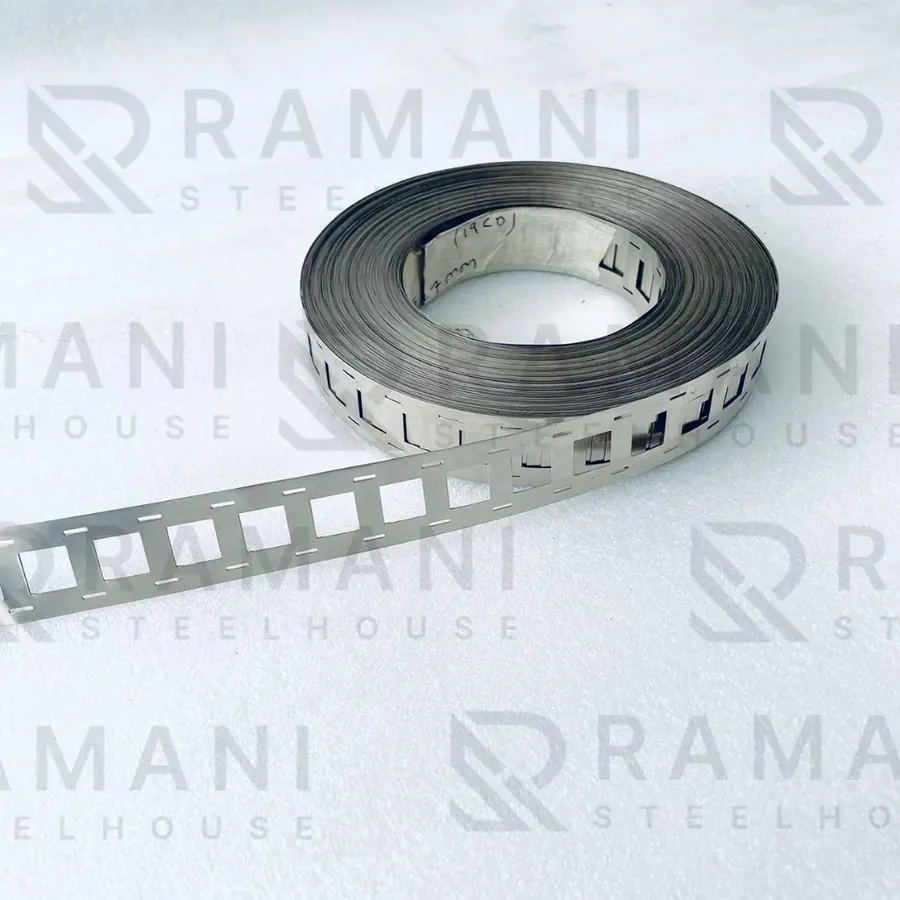 21700 2P H-type — Thickness: 0.20mm
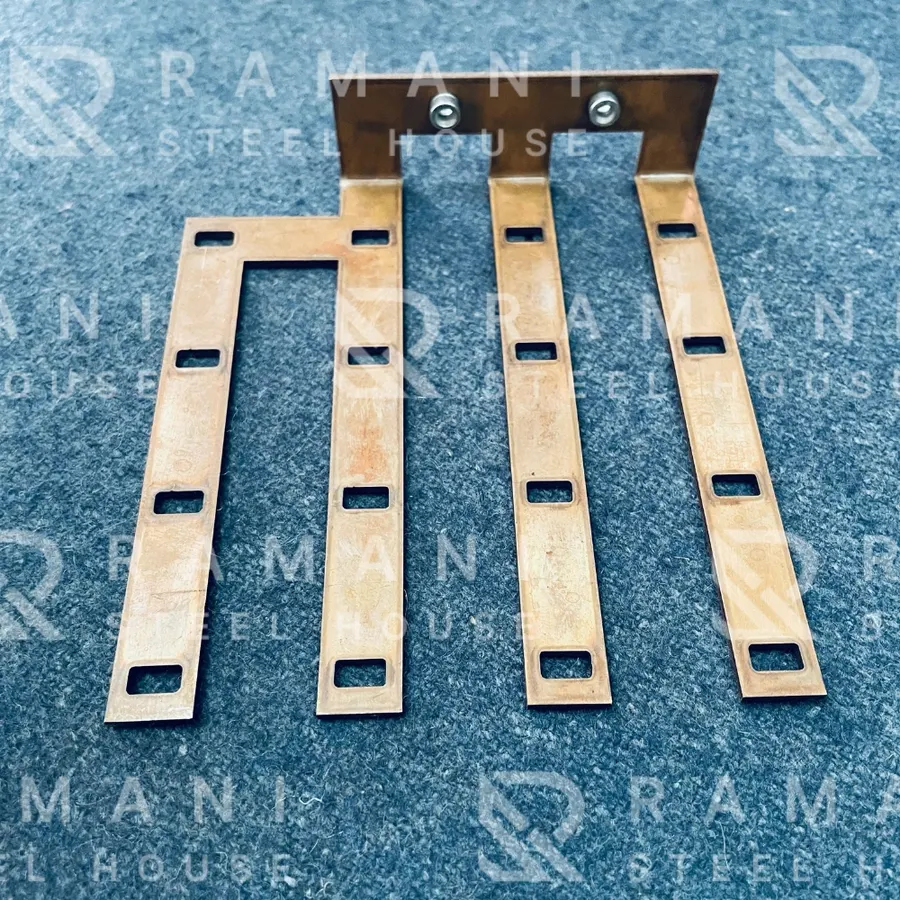 Copper Busbar
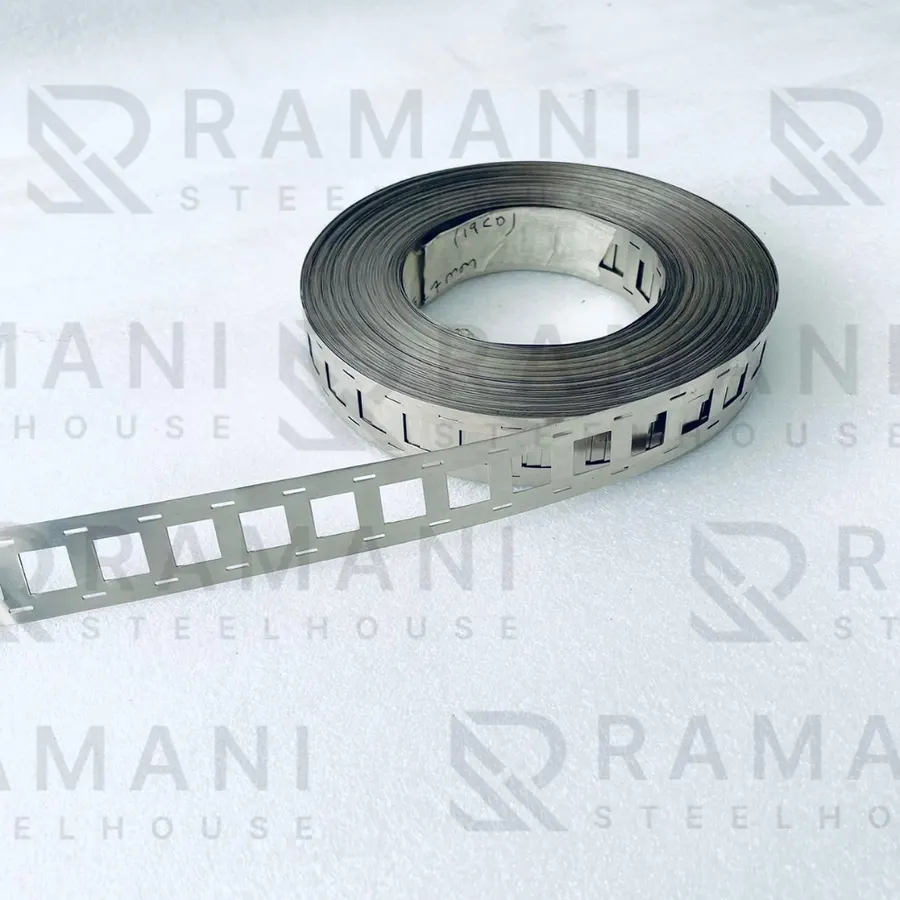 Ni 18650 2P H-Type Fuse Nickel Strip — Thickness: 0.15mm
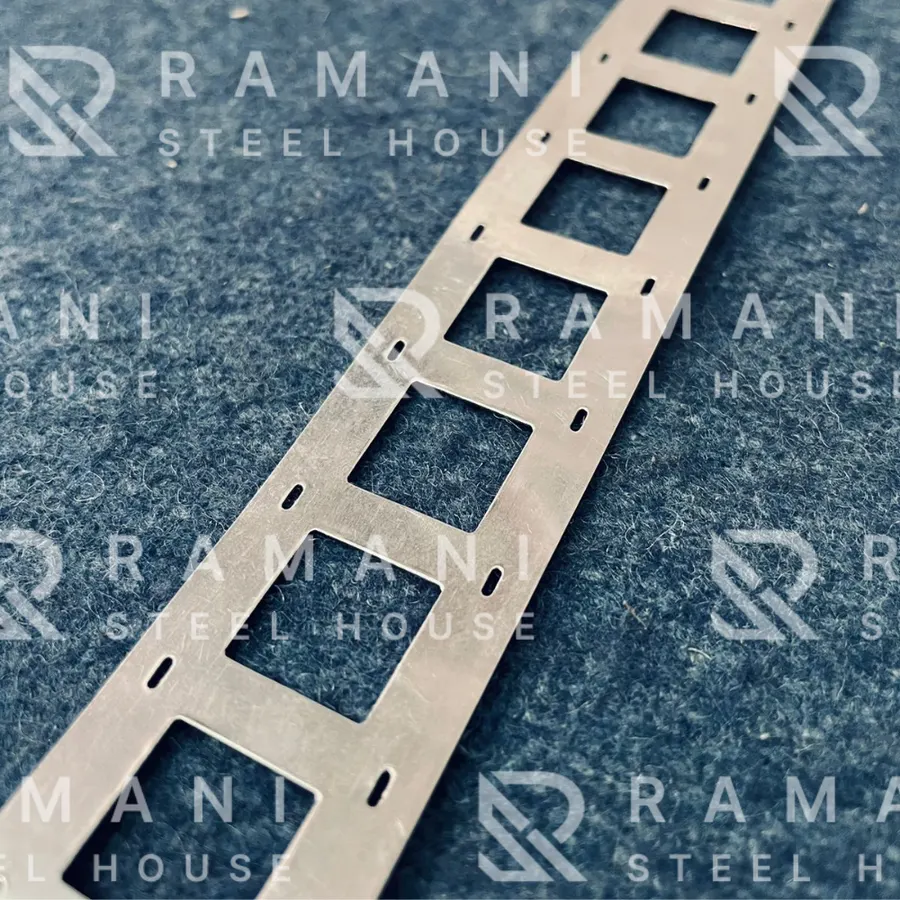 Ni 18650 2P H-Type Nickel Strip — Thickness: 0.15mm
Related guides
- Nickel Strip Pricing Guide: What Determines Cost for Bulk Battery Pack Orders
- How to Read a Nickel Strip Material Test Certificate
- Nickel Strip Minimum Order Quantity: How to Source Small Batches Without Mill-Scale Volumes
- Nickel Strip Storage and Handling Guide: Preventing Oxidation Before Welding
All nickel strip guides and technical articles · Nickel strip and busbar products