Why Nickel Purity Matters: The Hidden Risks of Low-Grade Nickel Strips in Energy Storage Systems (ESS)
.jpg?token=eyJraWQiOiJzdG9yYWdlLXVybC1zaWduaW5nLWtleV84ODdiMWJmNC1hOWFhLTQ2N2QtYTAwYy0zYTRkZTVjOTFlNWIiLCJhbGciOiJIUzI1NiJ9.eyJ1cmwiOiJJbWFnZXMvUHVyZSBOaWNrZWwgU3RyaXBzICgzKS5qcGciLCJzY29wZSI6ImRvd25sb2FkIiwiaWF0IjoxNzgzNDIzMTMzLCJleHAiOjMwNDQ4NjMxMzN9.CLaXvSxMQnTFMdMT8dckfc5W0toM5A7ggpbS3jO9QL0) The global transition toward renewable energy has pushed Utility-Scale Energy Storage Systems (ESS) to the forefront of modern infrastructure. These massive installations house thousands of interconnected battery cells designed to store megawatts of power.
However, an energy storage system is only as reliable as its weakest connection.
While heavy emphasis is placed on cell chemistry and battery management systems (BMS), the interconnecting material, specifically the nickel strips used for cell-to-cell bussing is frequently overlooked. To cut costs, some integrators turn to low-grade or nickel-plated steel alternatives. In an ESS application, this minor compromise can lead to catastrophic system inefficiencies or, worse, thermal runaway.
For high-capacity applications, high nickel purity is not a luxury, it is an engineering requirement. Here is why material integrity is non-negotiable, and how prioritizing premium components protects your industrial investment.
The global transition toward renewable energy has pushed Utility-Scale Energy Storage Systems (ESS) to the forefront of modern infrastructure. These massive installations house thousands of interconnected battery cells designed to store megawatts of power.
However, an energy storage system is only as reliable as its weakest connection.
While heavy emphasis is placed on cell chemistry and battery management systems (BMS), the interconnecting material, specifically the nickel strips used for cell-to-cell bussing is frequently overlooked. To cut costs, some integrators turn to low-grade or nickel-plated steel alternatives. In an ESS application, this minor compromise can lead to catastrophic system inefficiencies or, worse, thermal runaway.
For high-capacity applications, high nickel purity is not a luxury, it is an engineering requirement. Here is why material integrity is non-negotiable, and how prioritizing premium components protects your industrial investment.
1. The Electrical Toll: Resistance and Power Losses
In large-scale ESS configurations, current demands are exceptionally high. Low-grade nickel strips or nickel-plated steel alloys possess significantly higher electrical resistivity compared to pure nickel. When current passes through a high-resistance material, a portion of that energy is permanently lost as heat. This relationship is defined by Joule's First Law:P = I^2 R
Where P is power loss (watts), I is current (amperes), and R is resistance (\Omega). Because the current (I) is squared, even a micro-ohm increase in resistance caused by impurities dramatically escalates power loss across a massive ESS bank. Over months of round-trip cycling, these losses degrade the overall round-trip efficiency (RTE) of the storage facility, directly draining profitability.2. Thermal Management and the Threat of Thermal Runaway
Excessive resistance does not just steal energy; it generates localized heat. In tightly packed ESS modules, heat dissipation is already a primary engineering bottleneck. When low-grade interconnects heat up, they create localized thermal hotspots. If a single spot-welded junction compromises a cell's thermal limit, it can initiate a localized breakdown. Because lithium-ion cells are highly sensitive to ambient temperatures, a localized hot connector can trigger a cascading domino effect across the module: Using a high-purity pure 200 nickel strip for lithium ion battery manufacturers ensures that the electrical path maintains the lowest possible internal resistance, minimizing heat generation at the source and keeping the thermal profile within safe operating parameters.3. Weld Reliability and Long-Term Mechanical Integrity
Industrial ESS enclosures are built to last 10 to 20 years, enduring constant thermal expansion, contraction, and ambient vibrations. Connecting these cell arrays relies heavily on precision spot welding or laser welding. Low-grade strips often contain inconsistent trace elements like iron, manganese, or carbon. During welding, these impurities cause: Inconsistent melt pools: Resulting in micro-cracks inside the weld nugget. Brittle joints: Leading to fatigue failure under routine thermal cycling. High interfacial resistance: Where the weld looks secure but restricts actual current flow. Pure Nickel 200 offers a highly predictable, uniform melting point. This ensures clean, repeatable, and metallurgically sound welds that can withstand decades of mechanical stress without degrading.Procurement Insights: Sourcing Industrial Grade Components
For procurement teams and battery engineers managing tight project budgets, balancing material excellence with commercial realities is a daily challenge. When evaluating options, analyzing the pure 200 nickel strip for lithium ion battery manufacturers price requires looking beyond the initial per-kilogram raw material cost. Instead, calculate the total cost of ownership (TCO). Factor in the long-term costs of system downtime, efficiency losses, and warranty claims associated with cheap components. Investing in high nickel purity up front routinely prevents multi-million dollar field failures later. The logistical geography of your supply chain also plays a massive role in project execution. For facilities scaling production in rapidly growing tech corridors, identifying a verified pure 200 nickel strip for lithium ion battery manufacturers near your assembly plant eliminates long international transit lead times, minimizes customs bottlenecks, and ensures tight quality alignment. As domestic manufacturing capacity expands globally to meet green energy targets, working with regional specialists is becoming an industry standard. Sourcing a localized, high-purity pure 200 nickel strip for lithium ion battery manufacturers India offers localized logistical agility combined with the rigorous international quality controls needed for global compliance.Conclusion: Protect Your Assets from the Core
In the energy storage sector, small details carry immense weight. A fraction of a percentage drop in nickel purity can alter the conductivity, safety, and lifespan of a multi-megawatt installation. By demanding high-purity Nickel 200 strips, manufacturers guarantee optimized thermal performance, superior welding integrity, and long-term system safety. Looking for engineered interconnect solutions for your next project? We specialize in custom-dimensioned, high-purity Nickel 200 ribbons and stamped strips tailored strictly to industrial battery configurations. Contact our team to request raw material specifications or order custom-stamped validation samples.Frequently Asked Questions
What nickel purity should battery interconnect strip be?
Commercially pure nickel grades Nickel 200 and Nickel 201 (UNS N02200 and N02201) specify a minimum of 99.0% nickel. Ramani Steel House supplies 99.8% pure nickel strip, with a material test certificate on request so the figure can be checked against the batch rather than taken on trust.
What goes wrong with low-grade nickel strip in an energy storage system?
Lower purity and nickel-plated steel both raise resistance at the interconnect. Higher resistance means more heat and more voltage drop at every cell tab, continuously. In a large storage system that penalty is multiplied across thousands of joints, where it shows up as lost round-trip efficiency and a higher operating temperature.
How can I verify the purity of nickel strip I have been supplied?
Ask for a batch-wise material test certificate naming the grade and UNS number, and check it against the standard you specified. A manufacturer that slits and stamps its own material can issue one per batch; a reseller buying finished strip often cannot.
Products covered in this article
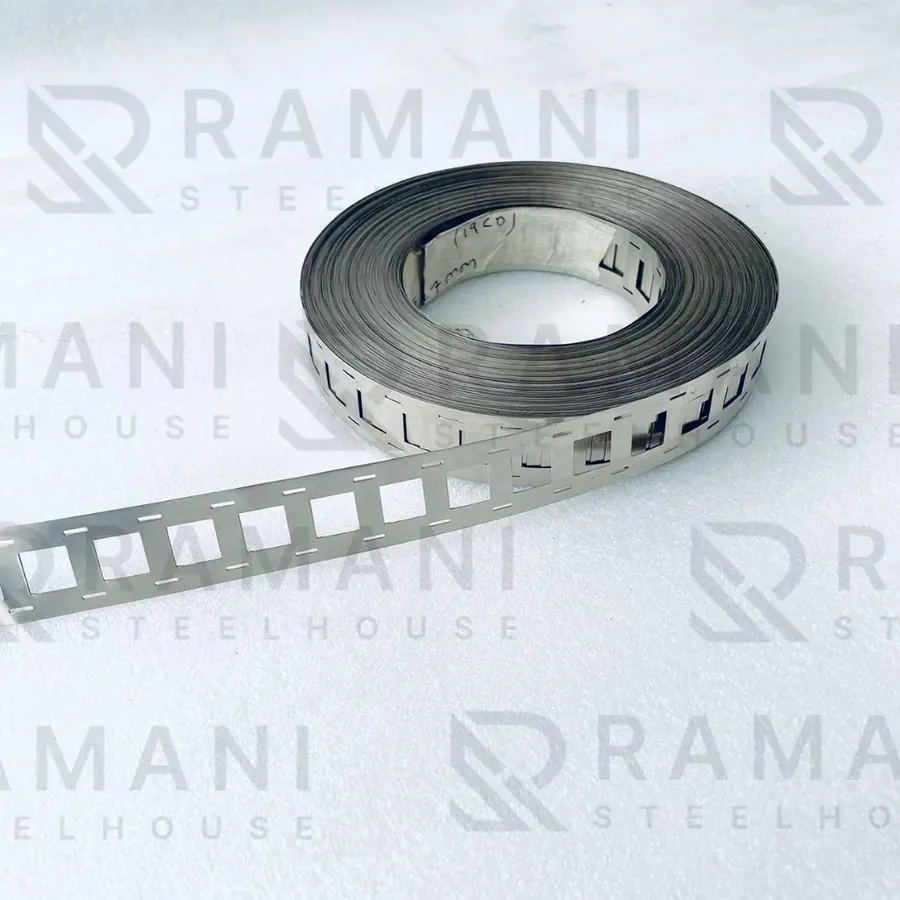 21700 2P H-type — Thickness: 0.20mm
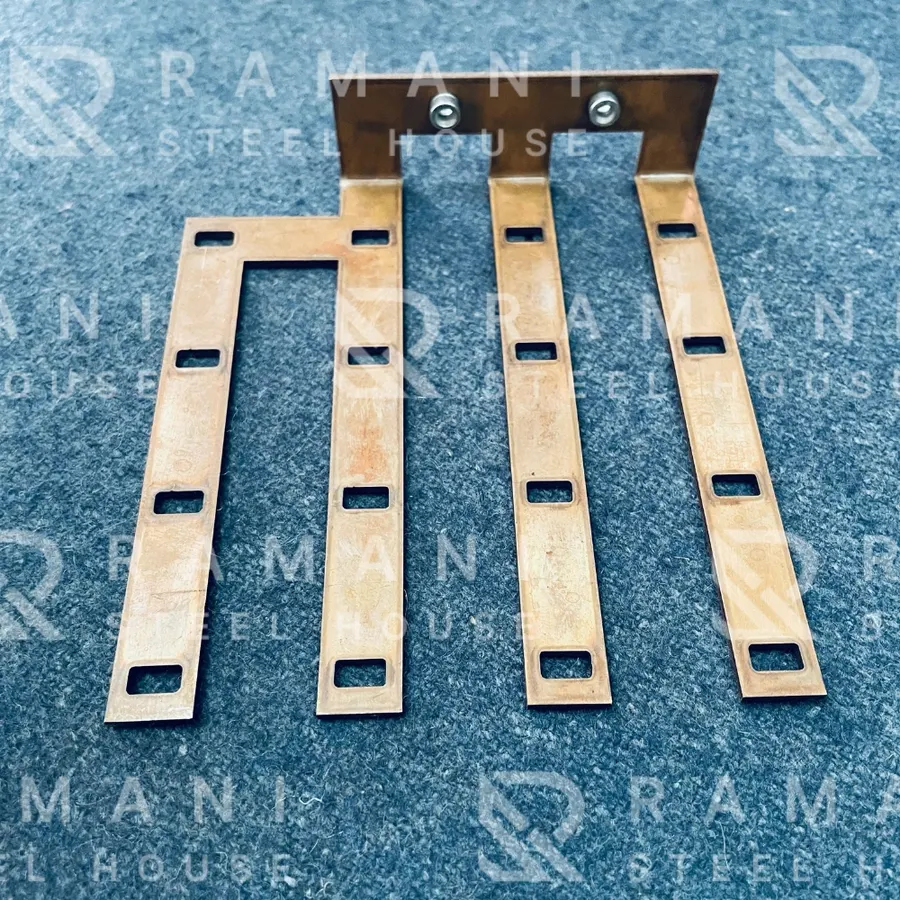 Copper Busbar
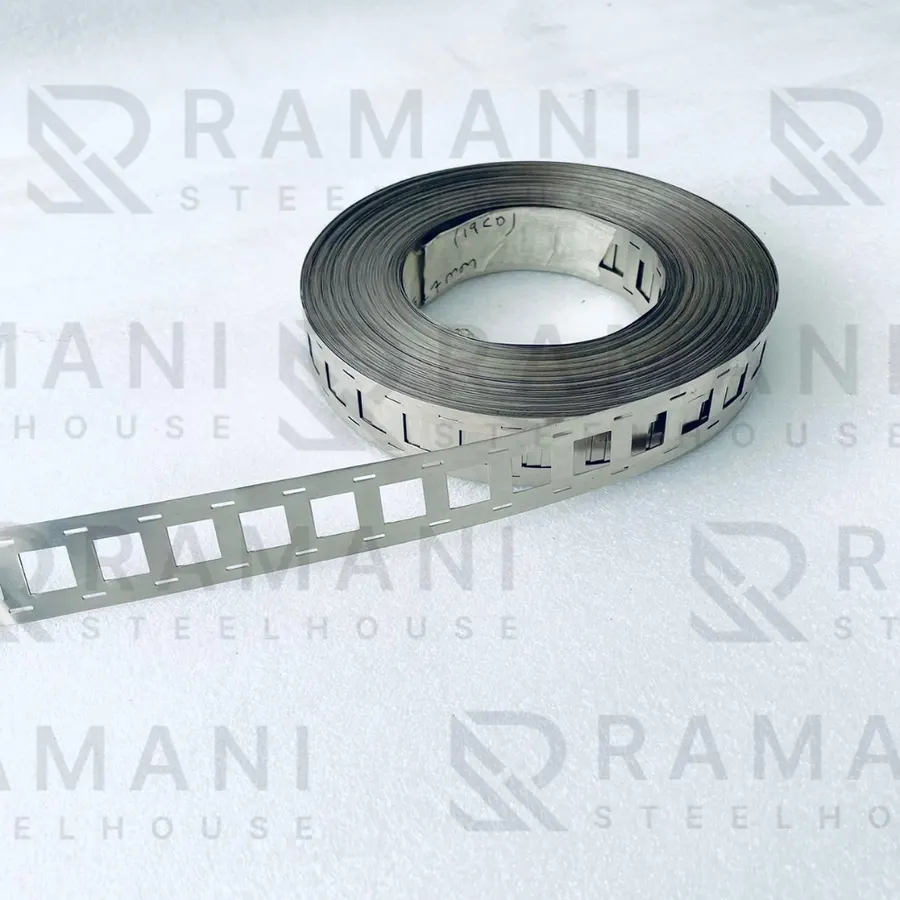 Ni 18650 2P H-Type Fuse Nickel Strip — Thickness: 0.15mm
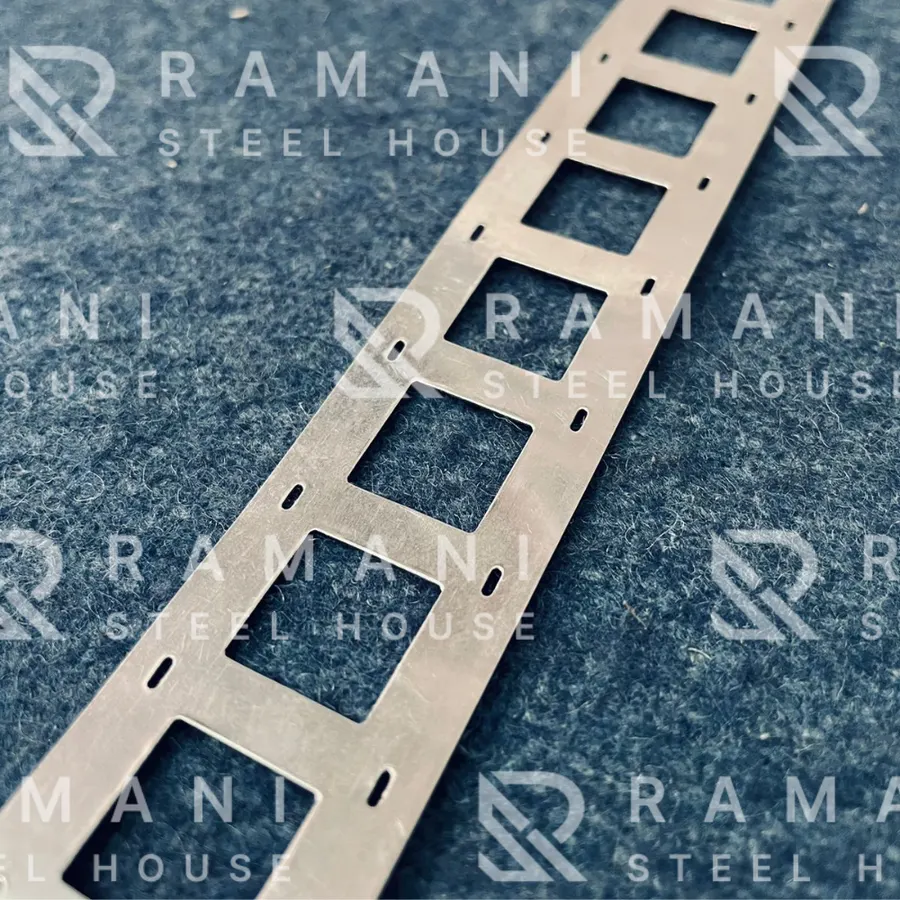 Ni 18650 2P H-Type Nickel Strip — Thickness: 0.15mm
Related guides
- Nickel Strip Storage and Handling Guide: Preventing Oxidation Before Welding
- Nickel 200 vs Nickel 201: Which Alloy Is Right for Battery-Grade Nickel Strip?
- Battery Spot Welding Tips for Nickel Strip: Getting a Clean, Low-Resistance Weld Every Time
- Nickel Strip Thickness Guide: How to Choose the Right Gauge
All nickel strip guides and technical articles · Nickel strip and busbar products