Nickel Strip Minimum Order Quantity: How to Source Small Batches Without Mill-Scale Volumes
.jpg?token=eyJraWQiOiJzdG9yYWdlLXVybC1zaWduaW5nLWtleV84ODdiMWJmNC1hOWFhLTQ2N2QtYTAwYy0zYTRkZTVjOTFlNWIiLCJhbGciOiJIUzI1NiJ9.eyJ1cmwiOiJJbWFnZXMvUHVyZSBOaWNrZWwgU3RyaXBzICgzKS5qcGciLCJzY29wZSI6ImRvd25sb2FkIiwiaWF0IjoxNzgzNDIzMTMzLCJleHAiOjMwNDQ4NjMxMzN9.CLaXvSxMQnTFMdMT8dckfc5W0toM5A7ggpbS3jO9QL0)
The most common reason a battery pack project stalls at the sourcing stage has nothing to do with specification. The engineer knows the thickness, the pattern and the cell layout. What stops them is the reply from the mill: minimum order one tonne. For a prototype pack, a pilot run, or a workshop building thirty packs a month, that is not a quote — it is a closed door.
This guide explains why nickel strip minimum order quantities are set where they are, what a genuinely small MOQ does and does not get you, and how to work out how much strip you actually need before you ask anyone for a price.
Why nickel strip MOQs run high
A high minimum is rarely a supplier being difficult. It comes from how strip is actually made.
Nickel arrives at a rolling mill as wide coil. Getting from that coil to the strip on your bench involves slitting it to width, and often stamping it to a pattern. Both are setup-dominated operations: the time to thread a slitter, set the knives to your width, run off the lead-in scrap and check the first pieces is broadly the same whether the run is twenty kilograms or two thousand. Spread that setup over a tonne and it disappears into the per-kilogram price. Spread it over five kilograms and it is most of the cost.
There is a second constraint behind it. Mills buy nickel in lots against an LME position, and they do not want to hold odd part-coils of a hundred different widths. A large MOQ keeps their inventory in whole coils. That is a real commercial pressure, and it is why the mill answer is usually a tonne.
A stockist or converter sits between the mill and you precisely to absorb that. They take the whole coil, carry the inventory, and break it into the quantities that pack builders actually consume. The MOQ you are quoted tells you which of those two you are talking to.
Two different minimums: material and tooling
“MOQ” gets used for two different things, and conflating them causes most of the confusion in a first enquiry.
Material minimum is how little metal a supplier will slit and sell. This is the number usually meant by MOQ, and it is the one that can be small.
Tooling minimum applies when your strip is stamped rather than plain. An H-type, zig-zag, honeycomb or fuse-type pattern is produced with a die, and a die for a geometry nobody else orders has to be made. If that die does not already exist, the economics change completely: you are funding tooling, and the quantity that justifies it is much larger than the quantity that justifies a slitting run.
This is the single most useful thing to establish early. Ask whether your pattern is already tooled. A supplier with an existing die for 18650 2P H-type at 0.15 mm can run you five kilograms of it; the same supplier facing a bespoke pitch nobody has cut before cannot, at any sensible price. If your design can move onto an existing pattern — and at prototype stage it often can — you unlock the small MOQ. Our guides to zig-zag versus H-type patterns and 2P, 3P and 4P interconnect design cover which standard geometries exist and what each one suits.
How much strip is 5 kg? A formula you can check
Buyers routinely over- or under-order because nickel strip is sold by weight and consumed by length. The conversion is straightforward, and worth doing before you enquire.
Nickel has a density of about 8.9 g/cm³. For a solid strip, that reduces to a formula you can do on a phone:
grams per metre = thickness (mm) × width (mm) × 8.9
A 0.15 mm × 27 mm strip therefore weighs 0.15 × 27 × 8.9 = 36 g per metre, so five kilograms is roughly 139 metres. Worked through common sizes:
| Thickness × width | Grams per metre | Metres in 5 kg |
|---|---|---|
| 0.15 mm × 8 mm | 10.7 g | ~468 m |
| 0.15 mm × 27 mm | 36.0 g | ~139 m |
| 0.20 mm × 10 mm | 17.8 g | ~281 m |
| 0.20 mm × 44 mm | 78.3 g | ~64 m |
| 0.30 mm × 20 mm | 53.4 g | ~94 m |
One important caveat: those figures are for solid strip. A stamped pattern removes metal, so a fuse-type or honeycomb strip gives you more length per kilogram than the table suggests — how much more depends entirely on the geometry. Treat the table as a floor on length, not a ceiling.
Run this before you order. For most prototype and pilot builds, five kilograms of patterned interconnect is a surprising amount of strip — often more than the build actually consumes. If you are unsure of the gauge in the first place, our nickel strip thickness guide and the current-carrying capacity guide work back from pack current to a sensible cross-section.
When a small order is the right call
A low minimum genuinely earns its place in four situations:
- Prototyping. You are validating a pack layout and do not yet know if the pitch is right. Buying a tonne of a pattern you may abandon is the expensive mistake, not the small premium per kilogram.
- Qualifying a supplier. A small first lot lets you weld the material, section a joint and check a material test certificate against what was promised, before you commit a production order to an unproven source.
- Low-volume or service production. Repair shops, e-bike converters, custom ESS integrators and university labs consume steadily but never in tonnes.
- Bridging a shortfall. A production run comes up twenty kilograms short. Waiting on a mill lead time to close that gap is far more costly than the strip.
When it isn't
Being straight about this matters more than the sale. If you are in steady series production and know your annual consumption, ordering in small lots is the wrong economics. Setup cost is fixed per run, so you pay it again every time. Consolidating into scheduled larger releases will lower your per-kilogram price, and any competent supplier will tell you so. Our nickel strip pricing guide breaks down which cost factors move with volume and which do not.
Small lots also have a shelf-life dimension. Strip you buy for a prototype may sit for months before the next build, and nickel that has oxidised welds differently from nickel that has not — see our storage and handling guide for how to keep a part-used reel usable.
What to send with a small-batch enquiry
Small orders get quoted slowly when the enquiry is vague, because the supplier has to come back and ask. Send these five things and a quote is usually a same-day matter:
- Thickness and width in millimetres, with tolerance if it is critical.
- Pattern — plain, H-type, zig-zag, honeycomb, fuse-type — or a drawing if it is bespoke.
- Cell format and pitch, for example 18650 at 19.0 mm centre distance, 2P. This is often enough to identify an existing die.
- Quantity in kilograms, converted with the formula above so you are ordering what you need.
- Whether you need a material test certificate, and to which standard.
Sourcing small lots from India
Ramani Steel House has manufactured nickel strip and busbar in Mumbai since 1974, and supplies from a 5 kg minimum order across the catalogue — the whole range, not a token sample line. Material is 99.8% pure nickel to ASTM B162, B16 and B17 in Nickel 200 and Nickel 201 (UNS N02200 / N02201), with material test certificates issued on request and despatch typically within 7 days.
Standard patterns for 18650, 21700, 32650 and 32700 cells are already tooled, which is what makes the small minimum possible: you are ordering a slitting and stamping run against an existing die, not funding new tooling. We ship across India and to more than 17 countries.
If you are still deciding who to buy from, our buyer's checklist for choosing a nickel strip manufacturer in India sets out what to verify before placing a first order — small or otherwise.
Have a specification in hand? Browse the catalogue and leave your number on any product page for a price and availability call, or send us the details and we will quote against your exact size and pattern.
Frequently Asked Questions
What is the minimum order quantity for nickel strip?
Mills typically quote nickel strip from one tonne, because slitting and stamping setup costs are fixed per run. Stockists and converters break coil into smaller lots: Ramani Steel House supplies from a 5 kg minimum across the full catalogue, not only a sample line.
How many metres of nickel strip is 5 kg?
It depends on the cross-section. Nickel has a density of about 8.9 g/cm3, so grams per metre = thickness (mm) x width (mm) x 8.9. A 0.15 mm x 27 mm strip is 36 g per metre, making 5 kg roughly 139 metres. A stamped pattern removes metal, so patterned strip yields more length per kilogram than solid strip of the same size.
Why do nickel strip suppliers have high minimum order quantities?
Slitting and stamping are setup-dominated: threading the line, setting knives to width and running off lead-in scrap costs about the same for 5 kg as for 2 tonnes. Mills also prefer to hold whole coils rather than odd part-coils in many widths, so their minimums stay high.
Can I order a custom nickel strip pattern in a small quantity?
Only if the die already exists. A stamped pattern such as H-type, zig-zag or fuse-type is produced with tooling, and a bespoke geometry means new tooling, which needs a much larger quantity to justify. Standard patterns for 18650, 21700, 32650 and 32700 cells are already tooled, so those can be supplied in small lots.
Is it cheaper to order nickel strip in bulk?
Yes, per kilogram. Setup cost is fixed per production run, so it is spread thinner over a larger order. Small lots make sense for prototyping, qualifying a supplier, low-volume production or covering a shortfall, but steady series production is cheaper consolidated into scheduled larger releases.
Products covered in this article
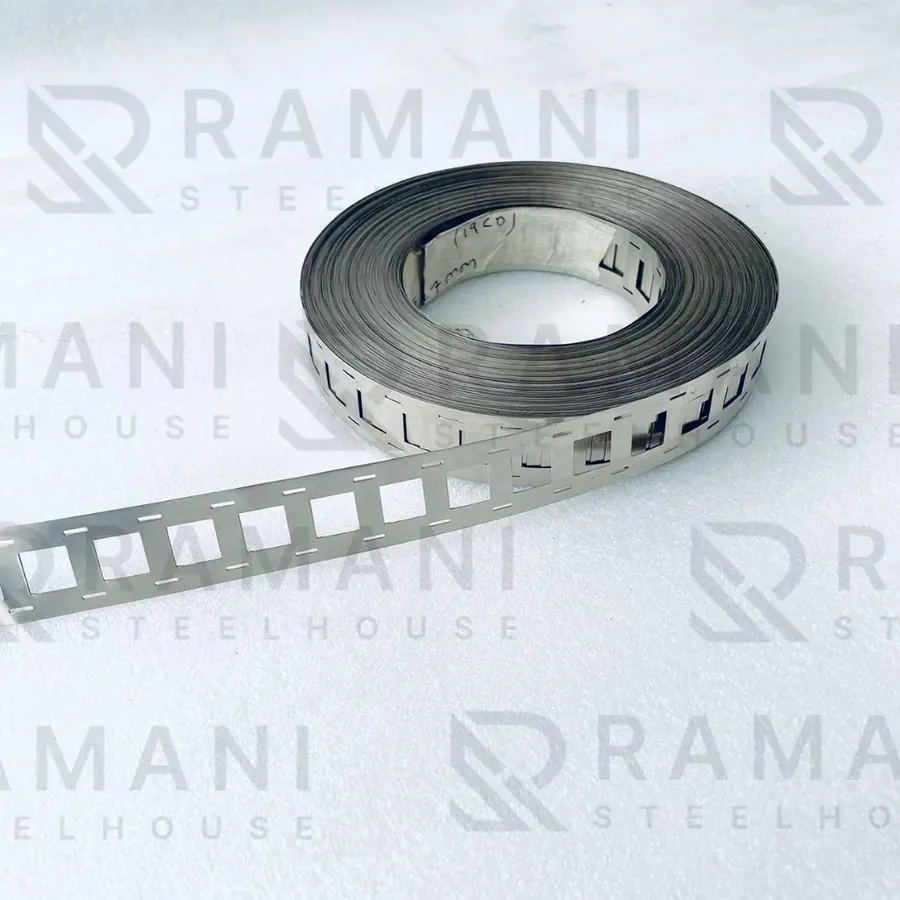 21700 2P H-type — Thickness: 0.20mm
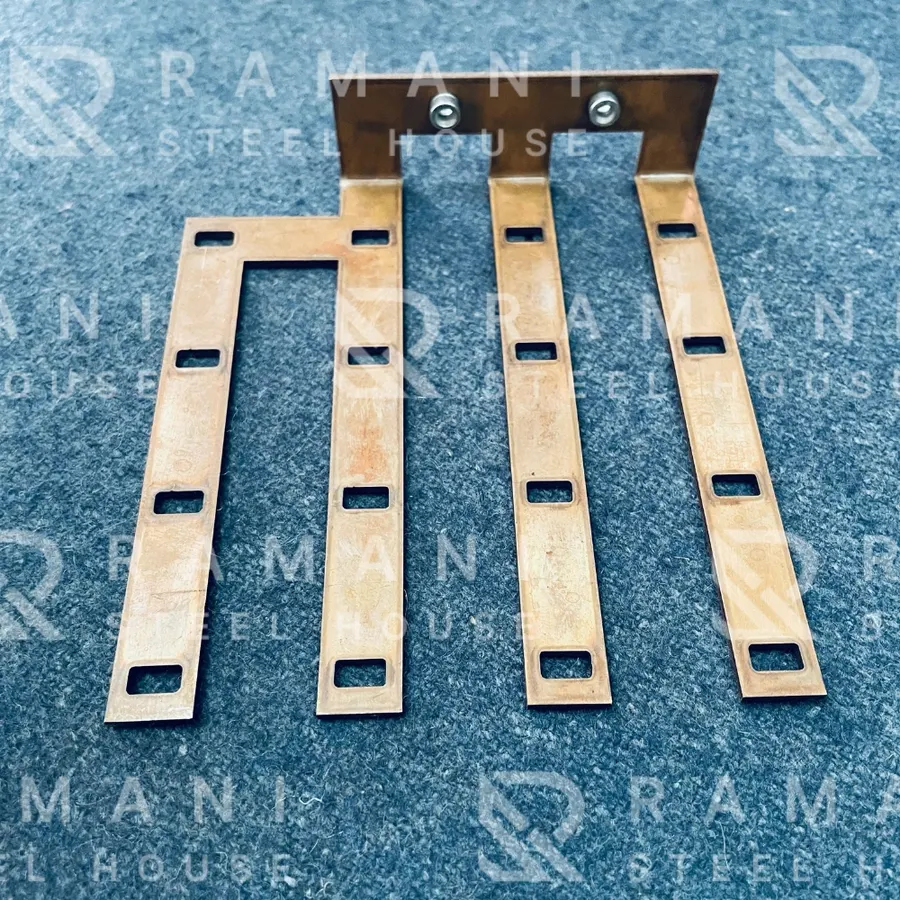 Copper Busbar
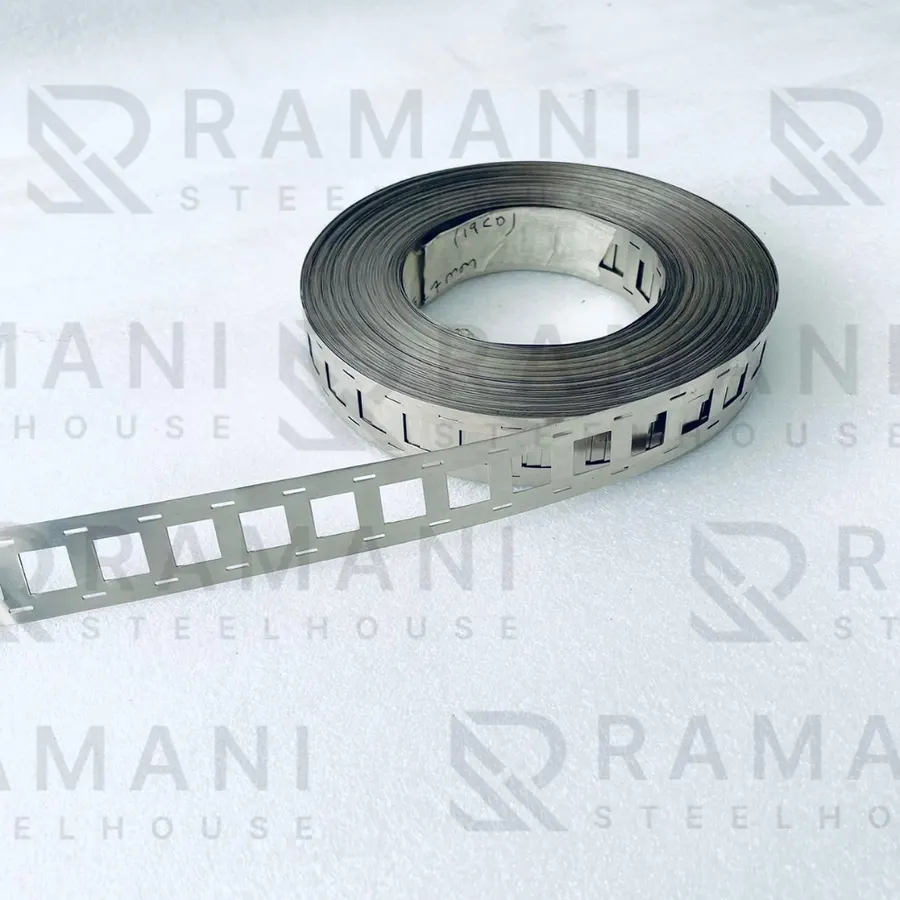 Ni 18650 2P H-Type Fuse Nickel Strip — Thickness: 0.15mm
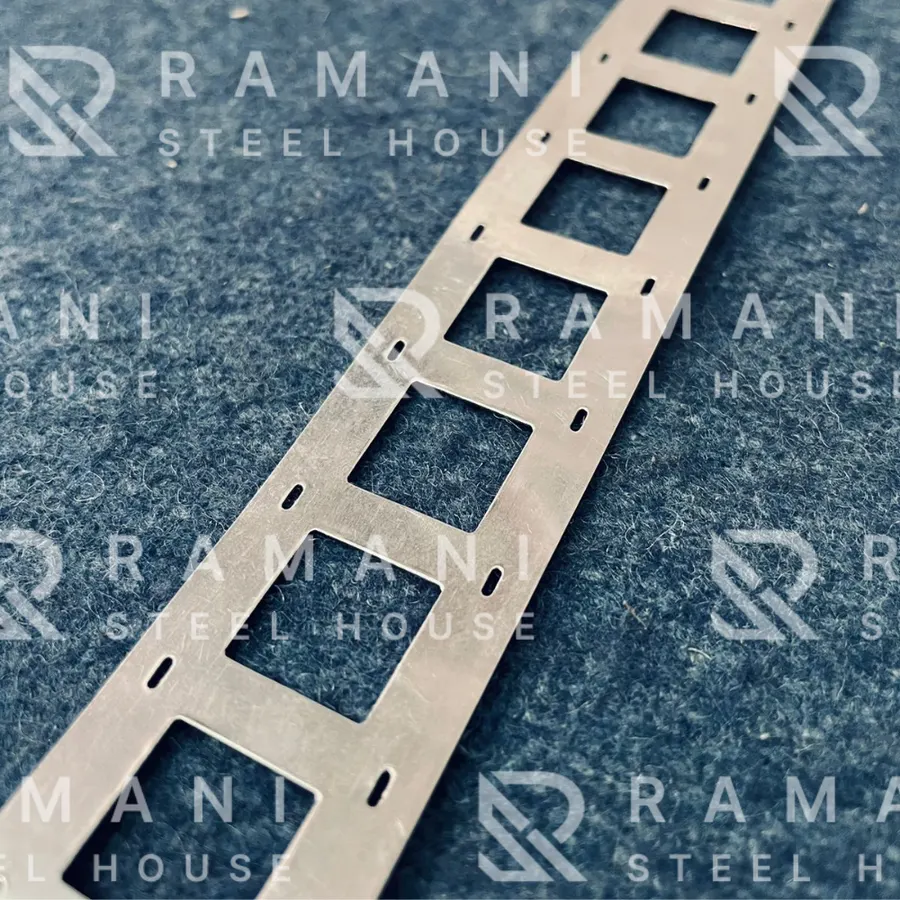 Ni 18650 2P H-Type Nickel Strip — Thickness: 0.15mm
Related guides
- Nickel Strip Samples: How to Test Before a Bulk Order
- Nickel Strip Pricing Guide: What Determines Cost for Bulk Battery Pack Orders
- How to Read a Nickel Strip Material Test Certificate
- Nickel Strip Price per Kg in India: What Moves It in 2026
All nickel strip guides and technical articles · Nickel strip and busbar products