How to Read a Nickel Strip Material Test Certificate
A material test certificate is the only document that connects the strip in your hand to a batch someone actually tested. It is also the document buyers skim hardest — usually because the layout is unfamiliar and the numbers look like an exam paper.
It is worth five minutes. Here is what each part is telling you.
| Field | What it means | Check against |
|---|---|---|
| Heat / lot number | The specific melt or batch tested | The marking on your delivered coil |
| Grade and standard | e.g. Nickel 201 to ASTM B162 | Your purchase order |
| Chemical composition | The assay: nickel content and impurities | The grade's specified minimum |
| Mechanical properties | Tensile, yield, elongation, hardness | The standard's limits |
| Dimensions and tolerance | Thickness and width as tested | What you ordered |
| Issuer and signature | Who stands behind the test | That it is signed at all |
The heat or lot number is the whole point
Everything else on the certificate is only meaningful if it refers to the material you received. The heat number (sometimes lot or batch number) is what ties the two together, and it should appear both on the certificate and on the coil, tag or packaging. If it does not, you have a document about some nickel, not about your nickel.
Grade and standard
This states what the material claims to be: Nickel 200 or Nickel 201, usually with a UNS number (N02200 or N02201) and the standard it is supplied to. Check it against your purchase order. The two grades are not interchangeable in every application — Nickel 201's tighter carbon specification matters above about 315°C. See Nickel 200 vs Nickel 201.
Chemical composition
The assay, usually as a table of elements with percentages. Nickel content is the headline figure; commercially pure grades specify a minimum of 99.0% nickel, so anything at or above that qualifies as "pure nickel" and the certificate is where you learn the actual number for your batch.
The impurities matter too. Carbon is what separates Nickel 201 from Nickel 200. Iron, copper, manganese and sulphur each have limits in the standard. You do not need to memorise them — you need the certificate to show them and to be inside the limits it claims to meet.
Mechanical properties
Typically tensile strength, yield strength, elongation and sometimes hardness. For battery strip, elongation and hardness are the practical ones: strip that is too hard resists forming and can crack at a stamped neck, while very soft strip deforms in handling. Compare them against the standard rather than against a rule of thumb.
Dimensions
The thickness and width the batch was tested at, ideally with the tolerance held. Thickness is worth particular attention because weight and current capacity both scale with it, and because thickness variation within a coil is a common source of weld inconsistency. See common nickel strip defects.
Four red flags
- No heat or lot number, or one that does not match your delivery. The certificate cannot be tied to your material.
- A generic specification sheet instead of a test report. A datasheet says what the grade should be; an MTC says what this batch measured.
- A standard quoted that does not fit the product. Nickel strip and sheet are covered by ASTM B162; a copper-alloy standard on a nickel strip certificate is a sign nobody checked.
- No issuer, date or signature. An unsigned certificate commits no one to anything.
What to do with it
Keep it with the batch. If you build packs for customers who audit their supply chain — EV, energy storage, anything exported — the MTC is what you produce when asked to show what your interconnects are made of. It is also what lets you trace a weld problem back to material rather than guessing.
Ramani Steel House supplies 99.8% pure nickel strip with material test certificates available on request, so the figure can be checked against your batch rather than taken on trust. Browse nickel strip or ask for the certificate with your quotation.
Frequently Asked Questions
What is a material test certificate for nickel strip?
A document from the manufacturer recording the tested properties of a specific batch: the heat or lot number, the grade and standard, the chemical composition, the mechanical properties and the dimensions tested. It ties the material you received to an actual test.
What should a nickel strip MTC show?
The heat or lot number, grade and standard (for example Nickel 201, UNS N02201, ASTM B162), the chemical assay including nickel content, mechanical properties such as tensile and elongation, the dimensions tested, and the issuer with a date and signature.
How do I verify an MTC matches my delivery?
Check that the heat or lot number on the certificate matches the marking on the coil, tag or packaging, then check the grade and dimensions against your purchase order. Without a matching heat number the certificate cannot be linked to your material.
Is a specification sheet the same as a test certificate?
No. A specification sheet states what a grade should be in general. A material test certificate states what one specific batch actually measured. Only the second is evidence about the material you received.
Products covered in this article
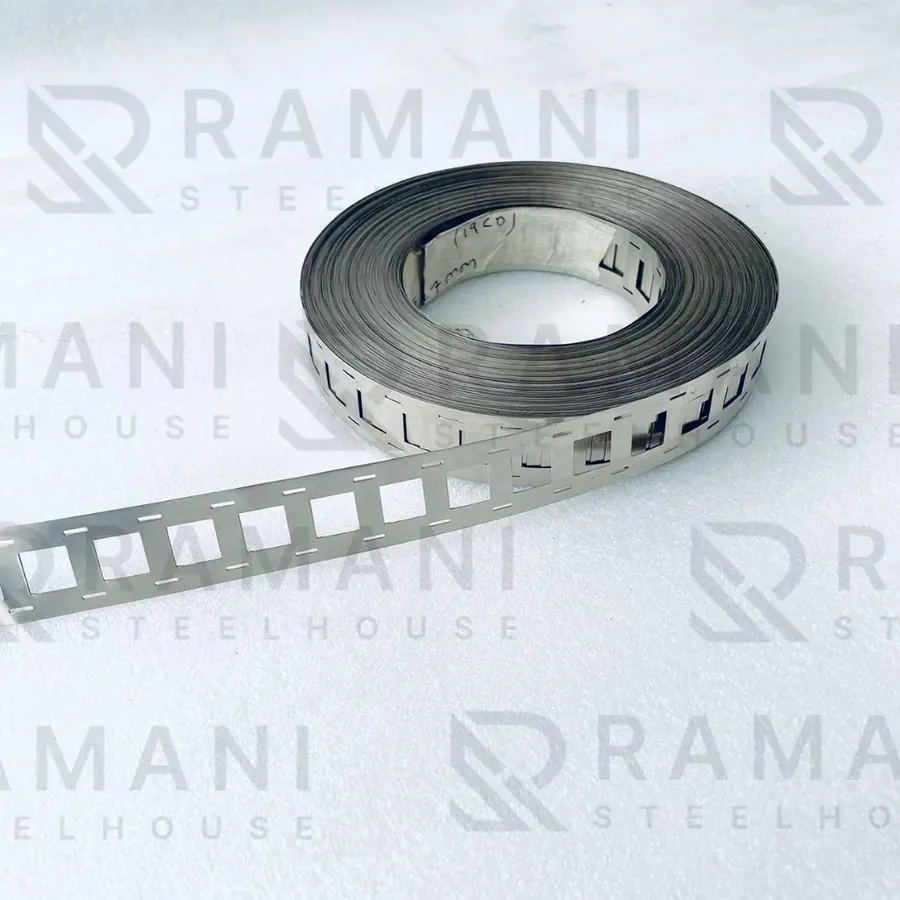 21700 2P H-type — Thickness: 0.20mm
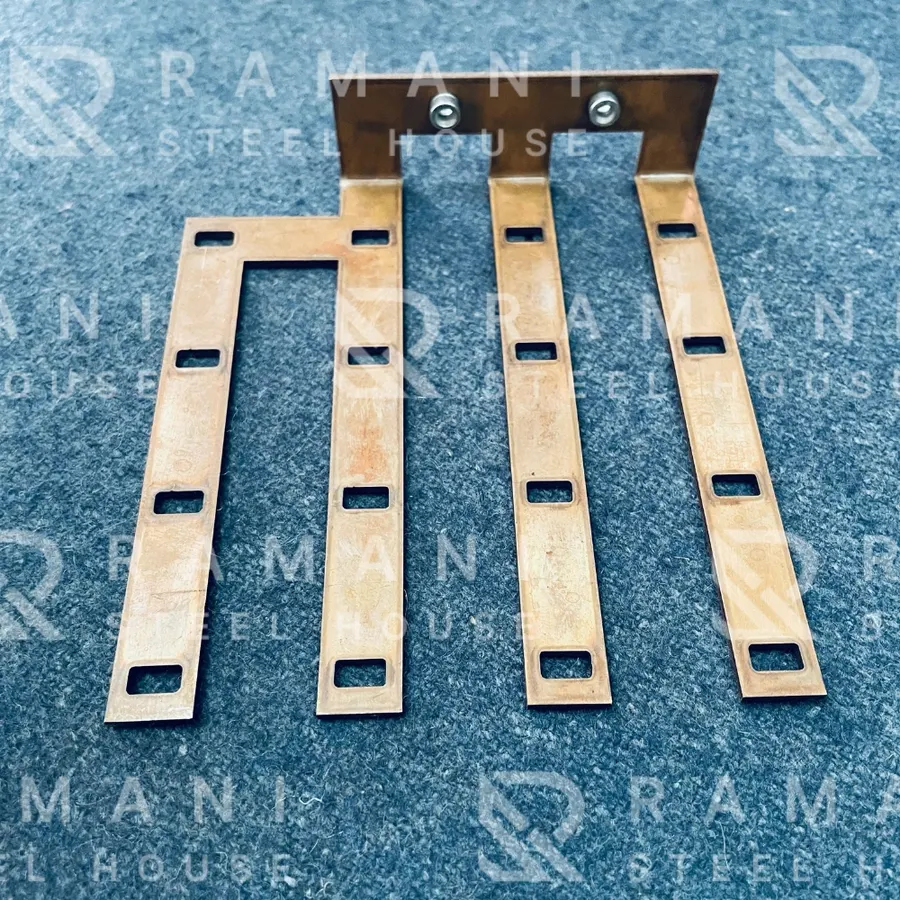 Copper Busbar
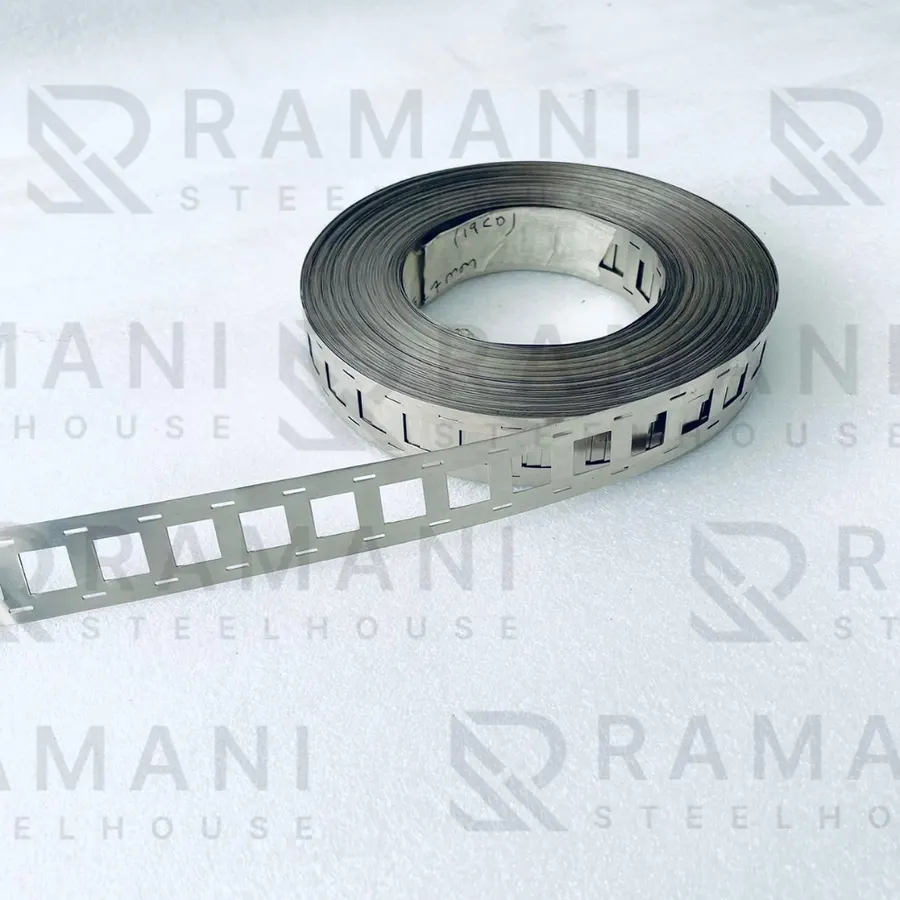 Ni 18650 2P H-Type Fuse Nickel Strip — Thickness: 0.15mm
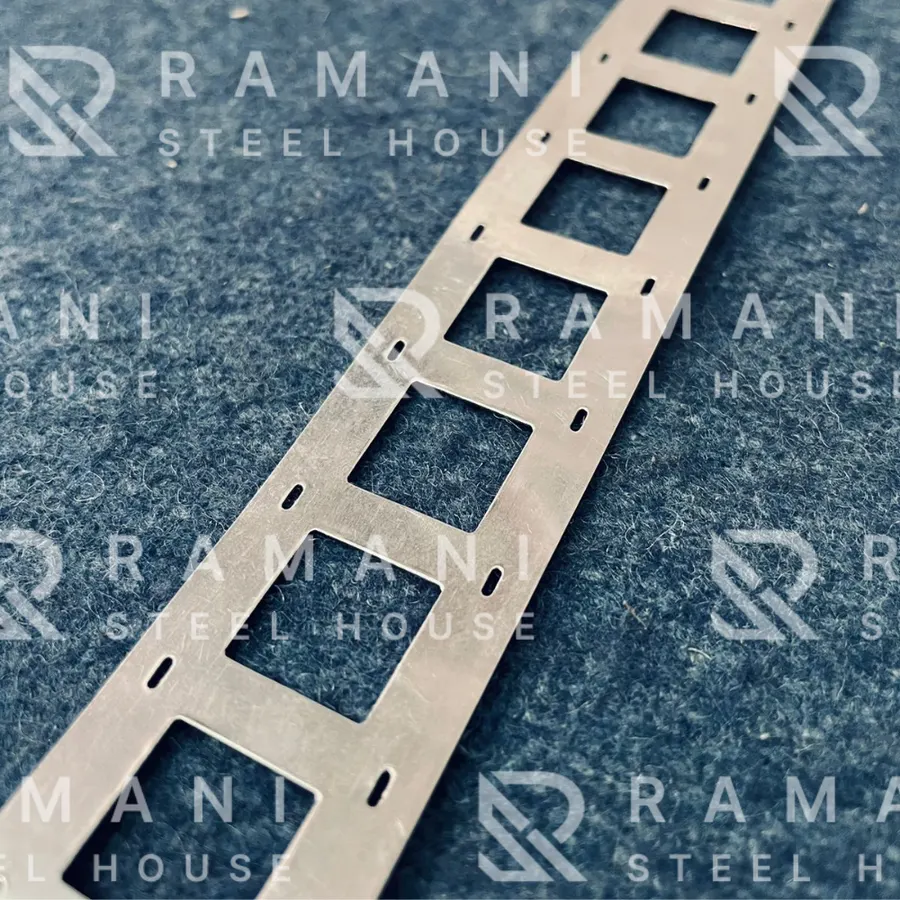 Ni 18650 2P H-Type Nickel Strip — Thickness: 0.15mm
Related guides
- Nickel Strip Samples: How to Test Before a Bulk Order
- Nickel Strip vs Copper Busbar: How to Choose the Right Interconnect Material for Lithium-Ion Battery Packs
- Nickel Strip Price per Kg in India: What Moves It in 2026
- Nickel Strip Minimum Order Quantity: How to Source Small Batches Without Mill-Scale Volumes
All nickel strip guides and technical articles · Nickel strip and busbar products