Nickel Strip for 32700 and 32650 LiFePO4 Packs: What to Order
Ramani Steel House · Published
For 32700 and 32650 LiFePO4 packs, use pure nickel strip stamped to your measured cell pitch — 0.15 mm for lighter builds, 0.20 mm where the pack draws continuously, as solar and inverter packs do. Most strip sold for these cells online is nickel-plated steel, whose steel core raises resistance in a pack that already runs warm.
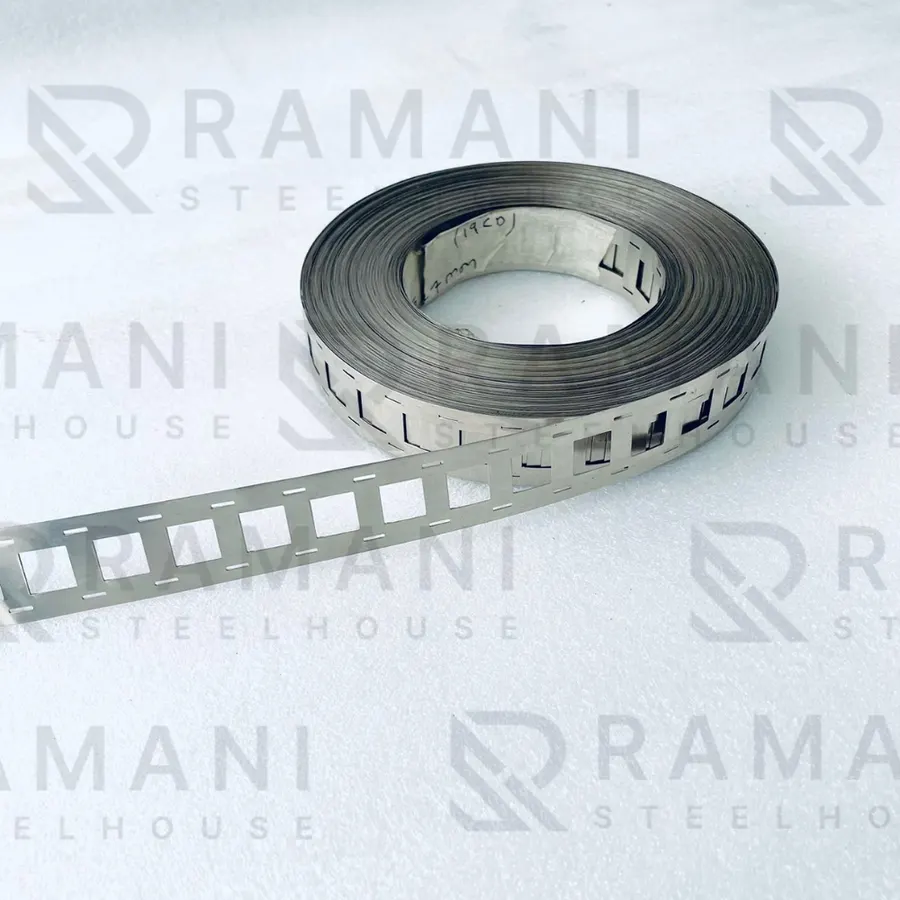
A 32700 or 32650 pack is not a scaled-up 18650 pack. The cells are almost always LiFePO4, chosen for cycle life rather than energy density, and the things built from them — solar storage, home inverters, e-rickshaws — draw steadily for hours instead of in bursts.
That changes what the interconnect has to do. It is also why strip bought off a marketplace listing tends to disappoint a few months in rather than on the day it is welded.
Start with the pitch, not the thickness
Both formats are 32 mm across: 32650 is 32 × 65 mm, 32700 is 32 × 70 mm. Stamped strip is cut to a fixed cell pitch, so strip made for an 18650 array will not sit on a 32 mm array, and neither will 21700 strip — the openings do not line up with the caps. What changes when you switch cell format covers why that is not something you can adjust on the bench.
Your pitch comes from your own layout, because the holder and the clearance you leave decide it, not the cell diameter alone. Measure it and state it when you order. It is the single dimension that makes a batch of strip either usable or scrap, and it is the one most enquiries arrive without.
0.15 mm or 0.20 mm
Across the 32 mm formats, 0.15 mm suits lighter builds and 0.20 mm is the usual choice where the pack draws continuously — which, on solar and inverter duty, it does. An LFP pack is bought for long life, and strip that runs warm on every cycle works against the reason you chose the chemistry.
Thickness on its own is not the answer. The length of the current path between welds and the cross-section at its narrowest point both matter, and thicker strip needs a welder that can actually deliver the energy. Work it out from your continuous current rather than copying another build: nickel strip current carrying capacity and the thickness guide set out the method.
What the marketplace listings are actually selling
Search for 32700 nickel strip and most of what comes back is nickel-plated steel, sold by the metre. It welds. It looks right. On a low-current build it may well be fine.
In a pack that runs continuously it is a worse trade than the price suggests. The core is steel, which raises resistance exactly where you do not want it, and the plating makes weld quality less repeatable — so the problem shows up as heat, and as cells drifting apart over cycles, long after the build. If the budget only stretches to plated steel, size it more generously and test the welds harder. The comparison is in pure nickel vs nickel-plated steel strip.
H-type or fuse-type
H-type is the compact, lower-cost pattern and keeps the full cross-section between cells. A fuse-type strip narrows on purpose, so a cell drawing fault current is isolated from the rest of the array — worth taking seriously in a stationary pack sitting inside a house, except that the fuse neck costs ampacity, which is what a continuous-draw pack needs most. Decide it against your current rather than by habit: fuse-type vs plain nickel strip.
Buying it
Ramani Steel House supplies 99.8% pure nickel strip from a 5 kg minimum order, with material test certificates on request and despatch typically within 7 days, PAN India. For the 32 mm formats that means the Ni 32650 2P H-type at 0.15 mm and the Ni Fuse Type 32700 at 0.20 mm, or plain strip from 0.1 mm to 1.0 mm if you cut your own pattern.
Order a few metres and weld it before committing to a batch — test before you buy in bulk sets out what to check. Patterns cut to a layout you have designed yourself are made to drawing. Send your cell layout with the pack's continuous current and your measured pitch, and we will recommend a size.
Products covered in this article
Order nickel strip in your exact size
Standard thicknesses from 0.10 to 0.30 mm and widths from 2 to 50 mm, or any size made to your drawing. Orders start at 5 kg.
Frequently Asked Questions
What thickness nickel strip should I use for a 32700 LiFePO4 pack?
0.15 mm suits lighter builds and 0.20 mm is the usual choice where the pack draws continuously, which solar and inverter packs do. Size it from your continuous current and the length of the current path between welds, not from another builder's pack.
Can I use 18650 or 21700 nickel strip on 32650 and 32700 cells?
No. Stamped strip is cut to a fixed cell pitch, and 32650 and 32700 cells are 32 mm across against 18 mm and 21 mm, so the openings do not line up with the cell caps. The strip has to be made for the format.
What cell pitch do I order 32700 strip at?
It comes from your own layout rather than the cell diameter alone, because the holder and the clearance you leave between cells decide it. Measure the centre distance on your array and state it with the order.
Is nickel-plated steel strip good enough for a 32700 solar pack?
It welds and costs less, but the steel core raises resistance and the plating makes welds less repeatable, which tells in a pack running continuously for hours. If you use it, size it more generously and test the welds harder.
What is the minimum order for 32650 or 32700 nickel strip?
5 kg across the catalogue, with material test certificates on request and despatch typically within 7 days, PAN India. That suits a workshop building a few dozen packs a month rather than a mill minimum.
Can I get 32700 strip cut to my own pattern?
Yes. Patterns outside the standard range are made to drawing, with tooling developed where a new pattern needs it. Send the cell layout, the pitch and the pack's continuous current.
Products covered in this article
- Ni 32650 2P H-type — Thickness: 0.15mm
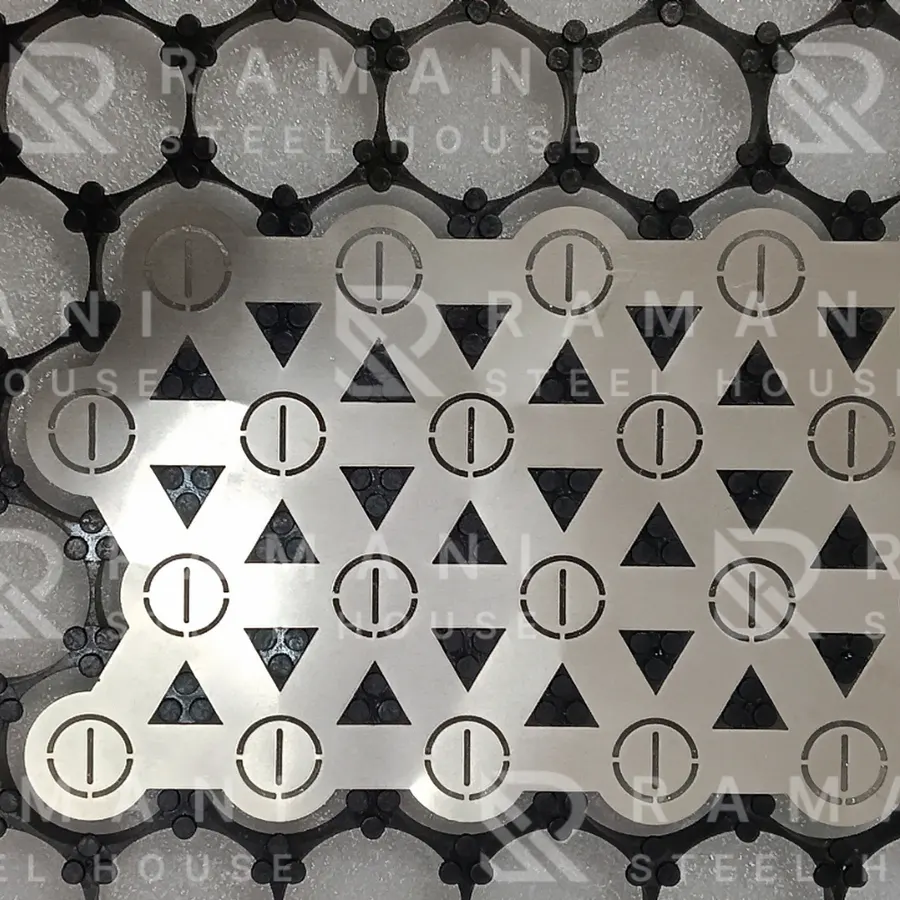 Ni Fuse Type 32700 — Thickness: 0.20mm
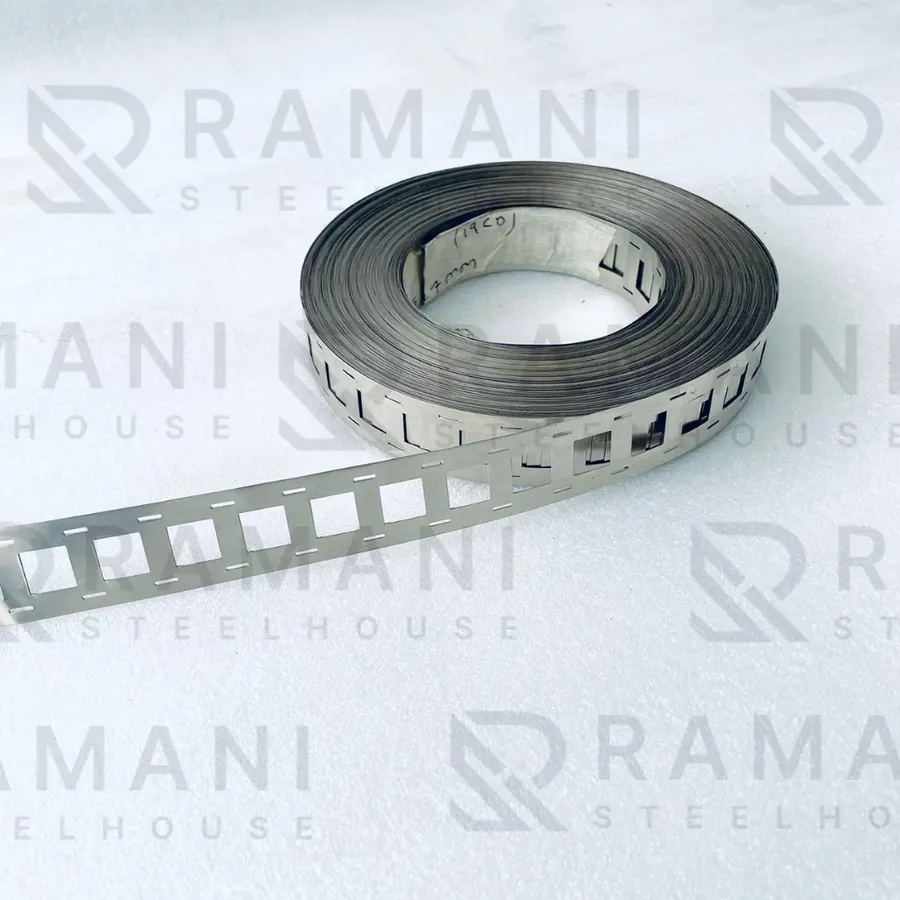 21700 2P H-type — Thickness: 0.20mm
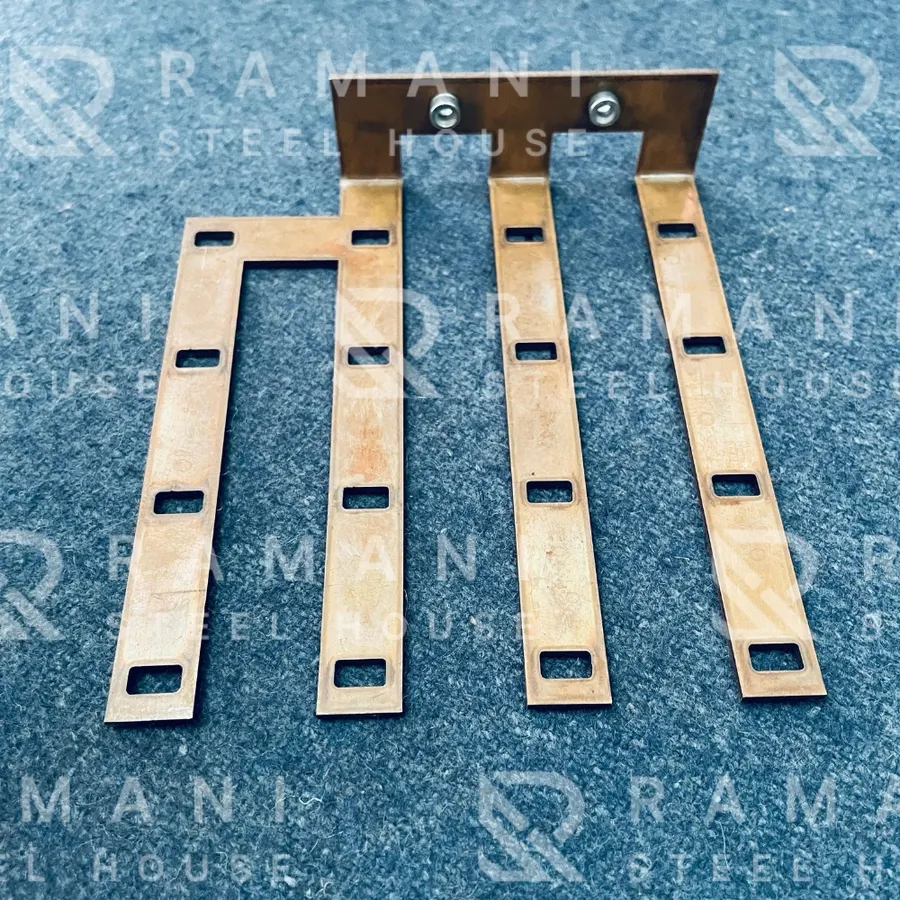 Copper Busbar
Related guides
- Nickel Strip for Solar and Home Inverter Battery Packs
- Nickel Strip for E-Rickshaw and E-Bike Battery Packs in India
- Nickel Strip Samples: How to Test Before a Bulk Order
- Nickel Strip Minimum Order Quantity: How to Source Small Batches Without Mill-Scale Volumes
Guides to read before you order
Related articles
Related categories
All nickel strip guides and technical articles · Nickel strip and busbar products